
Introduction
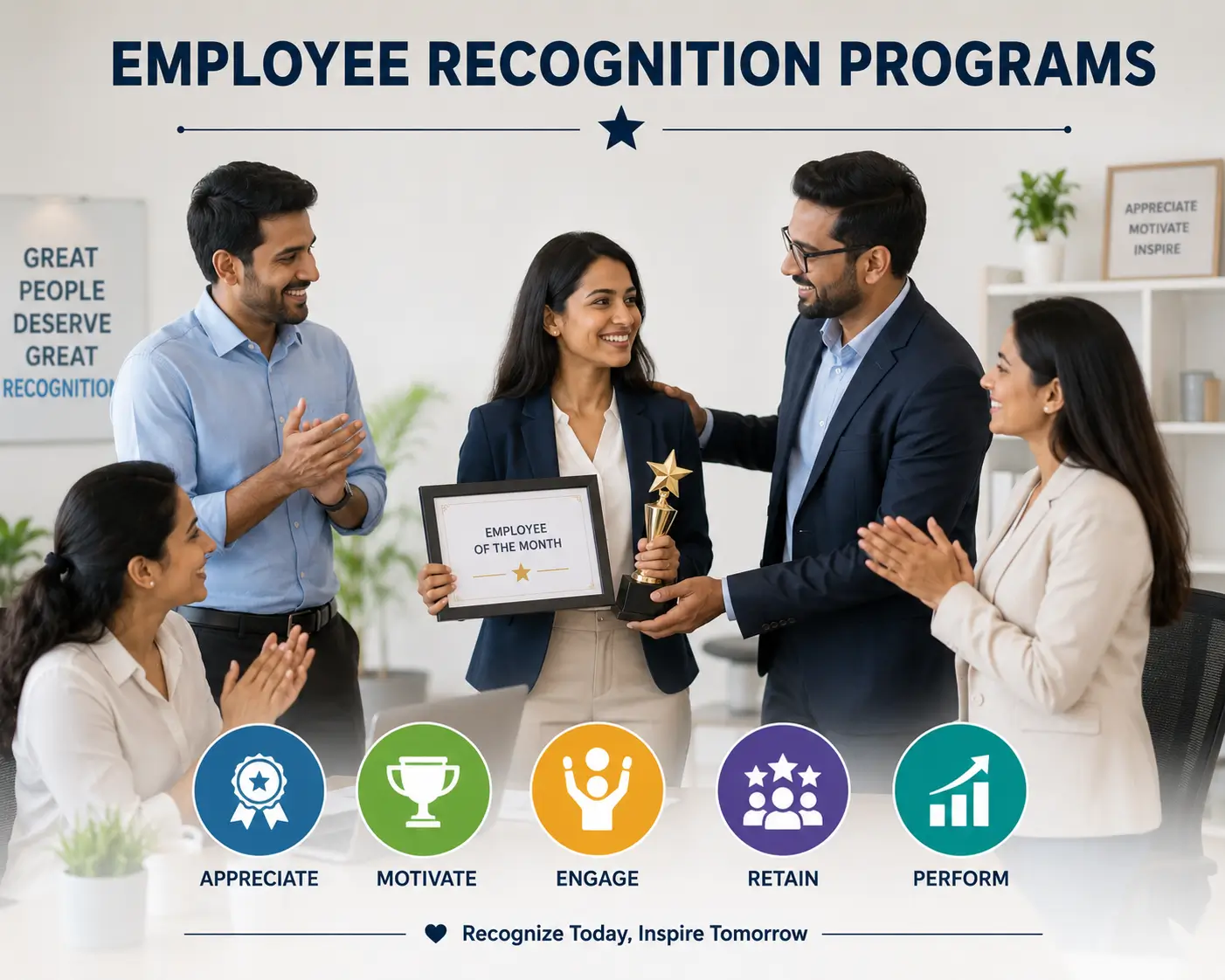
Employees are one of the most valuable assets of any organization, and recognizing their contributions plays an important role in improving motivation, satisfaction, and performance. A well-designed employee recognition program helps organizations appreciate achievements, encourage positive behaviors, and create a supportive workplace culture. The Employee Recognition Programs Course introduces learners to the principles, strategies, and practices required for developing effective recognition systems.
Employee recognition focuses on acknowledging employee efforts, rewarding achievements, and creating meaningful appreciation experiences. Therefore, professionals with knowledge of recognition programs help organizations improve employee engagement, strengthen relationships, and increase workforce satisfaction.
Moreover, this course explains how organizations design recognition frameworks, identify recognition opportunities, implement reward systems, and measure program effectiveness. Learners explore recognition methods, employee motivation concepts, feedback practices, performance appreciation, digital recognition tools, and engagement strategies.
In addition, participants develop practical skills in designing recognition initiatives, managing employee appreciation programs, improving workplace morale, and supporting organizational values. These competencies prepare learners for careers in human resources, employee experience management, leadership roles, and organizational development positions.
By completing this course, learners establish a strong foundation in employee recognition programs while contributing to positive workplace environments, improved employee relationships, and organizational success.
Course Overview
The Employee Recognition Programs Course provides comprehensive training in employee appreciation strategies, recognition frameworks, engagement methods, reward systems, and workplace culture improvement techniques. Furthermore, the course explains how organizations create effective recognition programs to motivate and retain employees.
Fundamentals of Employee Recognition
The course begins by introducing the basic concepts of employee recognition and its importance in human resource management. Learners understand recognition principles, employee motivation, workplace appreciation, and the impact of recognition on performance.
Employee Motivation and Engagement
Learners explore motivation theories, employee engagement factors, workplace satisfaction, and strategies for improving employee involvement.
Designing Recognition Programs
The course explains how to create structured recognition programs, define objectives, select recognition methods, and align programs with organizational goals.
Types of Employee Recognition
Participants learn about formal recognition, informal appreciation, peer-to-peer recognition, performance-based rewards, and milestone celebrations.
Reward and Appreciation Strategies
Learners understand reward systems, incentives, appreciation methods, and approaches for creating meaningful employee experiences.
Recognition Communication Methods
The course covers effective communication techniques, feedback practices, appreciation messages, and strategies for delivering impactful recognition.
Digital Recognition Solutions
Learners explore digital recognition platforms, employee engagement tools, automation solutions, and technology-based appreciation systems.
Measuring Recognition Program Success
The course explains recognition metrics, employee feedback analysis, engagement measurement, and methods for evaluating program effectiveness.
Building Positive Workplace Culture
Participants learn how recognition supports trust, collaboration, inclusion, and a healthy organizational environment.
Future Trends in Employee Recognition
Finally, learners explore personalized recognition, artificial intelligence tools, employee experience trends, and evolving workplace appreciation practices.
Overall, this course combines human resource knowledge with employee engagement strategies, enabling learners to understand every aspect of employee recognition programs while preparing them for careers in HR management, leadership, and organizational development.
What You Will Learn
The Employee Recognition Programs Course equips learners with practical knowledge and skills required to develop effective employee appreciation and engagement strategies.
Understanding Recognition Principles
First, learners understand employee recognition concepts, workplace appreciation methods, motivation factors, and the importance of recognition in organizations.
Developing Recognition Strategies
Participants learn how to design recognition programs that support employee engagement and organizational objectives.
Improving Employee Engagement
Learners explore methods for increasing motivation, satisfaction, participation, and workplace commitment.
Creating Reward Systems
The course teaches learners how to develop meaningful rewards, appreciation methods, and recognition frameworks.
Managing Employee Feedback
Participants gain knowledge of feedback techniques, communication practices, and employee relationship management.
Using Recognition Technology
Learners understand digital recognition platforms, engagement tools, and technology solutions for employee appreciation.
Measuring Program Effectiveness
The course introduces recognition metrics, employee surveys, engagement analysis, and improvement strategies.
Supporting Workplace Culture
Participants learn how recognition contributes to collaboration, trust, inclusion, and positive organizational culture.
Skills You Will Gain
After completing the Employee Recognition Programs Course, learners will develop valuable HR, leadership, and employee engagement skills.
Employee Engagement Skills
Develop the ability to improve employee motivation, satisfaction, and workplace involvement.
Recognition Program Design Skills
Learn how to create structured employee recognition initiatives aligned with business goals.
Communication Skills
Improve appreciation communication, feedback delivery, and employee relationship management.
Leadership Skills
Develop the ability to encourage, motivate, and support team members effectively.
Reward Management Skills
Understand recognition systems, incentives, and employee appreciation methods.
HR Management Skills
Gain knowledge of employee experience, workplace culture, and organizational development practices.
Data Analysis Skills
Learn to evaluate recognition programs using employee feedback and engagement metrics.
Problem-Solving Skills
Develop the ability to identify employee engagement challenges and implement effective solutions.
Benefits of the Course
The Employee Recognition Programs Course provides learners with essential knowledge and practical skills required to design effective recognition systems, improve employee engagement, and create positive workplace environments. Moreover, the course combines human resource principles with modern appreciation strategies to prepare learners for today’s evolving workplace needs.
Develop Employee Recognition Knowledge
First, learners gain a strong understanding of employee recognition concepts, appreciation methods, motivation principles, and workplace engagement strategies. As a result, they develop the ability to create meaningful recognition initiatives.
Improve Employee Engagement
Recognized employees are more motivated and connected to their workplace. Therefore, this course helps learners understand strategies for improving employee satisfaction, involvement, and organizational commitment.
Enhance Workplace Culture
A strong recognition culture improves collaboration and trust. Consequently, learners develop skills to support positive workplace relationships and create an environment where employees feel valued.
Learn Recognition Program Design
Effective recognition requires proper planning. Furthermore, learners understand how to design structured recognition programs, define objectives, select suitable rewards, and align initiatives with organizational goals.
Strengthen Leadership Skills
Managers and leaders play an important role in employee appreciation. Accordingly, learners gain knowledge of motivating teams, providing meaningful feedback, and recognizing employee contributions.
Improve Employee Retention Strategies
Recognition programs help organizations retain talented employees. Therefore, learners understand how appreciation initiatives support loyalty, satisfaction, and long-term employee relationships.
Understand Reward Management
The course introduces reward systems, incentive strategies, appreciation techniques, and methods for creating impactful employee recognition experiences.
Develop Feedback and Communication Skills
Effective recognition depends on clear communication. Moreover, learners improve their ability to provide positive feedback, appreciation messages, and constructive employee interactions.
Learn Digital Recognition Solutions
Modern workplaces use technology-based recognition tools. Consequently, learners explore digital platforms, employee engagement software, and automated recognition solutions.
Measure Recognition Program Effectiveness
Data helps organizations improve recognition initiatives. Therefore, learners develop skills in analyzing feedback, measuring engagement, and evaluating program success.
Expand Career Opportunities
The demand for HR professionals with employee engagement expertise is increasing. As a result, completing this course improves career opportunities in human resources, employee experience, and organizational development.
Prepare for Advanced Learning
The course provides a strong foundation for advanced studies in human resource management, leadership development, organizational psychology, and employee experience management.
Who Should Enroll
The Employee Recognition Programs Course is designed for individuals who want to develop expertise in employee engagement, workplace appreciation, and human resource management.
HR Professionals
Human resource professionals can improve their knowledge of employee recognition strategies, engagement programs, and workplace culture development.
Managers and Team Leaders
Managers can learn how to motivate employees, appreciate contributions, and build stronger team relationships.
Business Owners
Business owners can understand how recognition programs improve employee satisfaction, productivity, and organizational success.
Employee Experience Professionals
Professionals working in employee experience roles can enhance their skills in designing appreciation initiatives and engagement programs.
Learning and Development Professionals
Training professionals can understand how recognition supports employee growth and workplace motivation.
Students and Graduates
Students pursuing human resources, business management, organizational studies, or leadership programs can develop valuable career skills.
HR Consultants
Consultants can improve their expertise in designing employee engagement and recognition strategies for organizations.
Operations Managers
Operations professionals responsible for teams can learn methods to improve motivation, collaboration, and workplace performance.
Career Opportunities
The increasing focus on employee engagement, workplace culture, and talent retention has created excellent career opportunities for professionals with knowledge of employee recognition programs. Therefore, completing the Employee Recognition Programs Course can help learners build rewarding careers across human resources, employee experience, leadership, and organizational development sectors.
Potential career roles include:
- Employee Engagement Specialist
- HR Executive
- Human Resource Manager
- Employee Experience Specialist
- Talent Management Specialist
- Learning and Development Specialist
- HR Business Partner
- Organizational Development Specialist
- People Operations Specialist
- Employee Relations Specialist
- HR Consultant
- Workplace Culture Specialist
- Performance Management Specialist
- Team Development Manager
- HR Coordinator
Graduates may find employment opportunities in:
- Corporate organizations
- IT companies
- Manufacturing companies
- Healthcare organizations
- Educational institutions
- Consulting firms
- Startups
- Financial organizations
- Retail companies
- Multinational companies
Furthermore, this course provides a strong foundation for advanced education and specialization in human resource management, employee engagement, leadership development, organizational behavior, and talent management.
Certification
Upon successfully completing the Employee Recognition Programs Course, learners will receive a Course Completion Certificate that recognizes their knowledge of employee appreciation strategies, recognition frameworks, engagement methods, reward systems, and workplace culture improvement practices.
Moreover, the certificate demonstrates your commitment to professional development and continuous learning in human resource management and employee experience practices. It can strengthen your resume, improve your professional profile, and increase employment opportunities with HR departments, organizations, and employee engagement teams.
Additionally, the certification validates your understanding of recognition program design, employee motivation strategies, feedback methods, digital recognition tools, and engagement measurement techniques. Consequently, it supports career advancement while preparing learners for roles in HR management, employee experience, and organizational development.
Conclusion
Employee recognition plays an important role in improving workplace motivation, employee satisfaction, and organizational success. Therefore, professionals with expertise in recognition programs are valuable for organizations seeking stronger employee relationships and positive workplace cultures.
The Employee Recognition Programs Course provides comprehensive knowledge of recognition strategies, employee engagement methods, reward management, feedback practices, and workplace culture development. Moreover, learners develop practical skills that enable them to design and manage effective recognition initiatives.
Throughout the course, participants strengthen their leadership abilities, communication skills, HR knowledge, and strategic thinking while exploring modern employee appreciation practices. In addition, they gain valuable insights into digital recognition solutions, engagement measurement, and employee experience improvement.
Whether your goal is to work in human resources, manage employee engagement activities, improve workplace culture, or build a career in organizational development, this course provides the knowledge and confidence needed for long-term success. Ultimately, it prepares learners to contribute to motivated teams, stronger organizations, and positive workplace environments.
FAQ SECTION
1. What is the Employee Recognition Programs Course?
The Employee Recognition Programs Course provides training in employee appreciation strategies, recognition systems, engagement methods, reward management, and workplace culture improvement.
2. Who should enroll in this course?
This course is ideal for HR professionals, managers, team leaders, business owners, students, employee experience professionals, and individuals interested in human resource management.
3. Do I need prior HR experience?
No. The course is suitable for beginners as well as professionals who want to improve their employee engagement and recognition skills.
4. What topics are covered in this course?
The course covers recognition strategies, employee motivation, reward systems, feedback methods, digital recognition tools, engagement measurement, and workplace culture development.
5. What skills will I gain after completing this course?
You will develop skills in employee engagement, recognition program design, communication, leadership, reward management, and HR strategy development.
6. Why are employee recognition programs important?
Employee recognition programs improve motivation, increase satisfaction, strengthen workplace culture, and help organizations retain talented employees.
7. What career opportunities are available after completing this course?
Graduates can pursue careers as Employee Engagement Specialists, HR Managers, Employee Experience Specialists, Talent Management Specialists, and HR Consultants.
8. Will I receive a certificate after completing this course?
Yes. Learners who successfully complete the course will receive a Course Completion Certificate that validates their knowledge and skills in employee recognition programs.
9. How do recognition programs improve employee performance?
Recognition programs encourage employees, increase motivation, improve engagement, and create a positive work environment that supports better performance.
10. How can this course benefit my career?
This course improves your HR expertise, strengthens your professional profile, expands career opportunities, and prepares you for roles in employee engagement and human resource management.




Reviews
There are no reviews yet.