
Sale!

Customs Documentation Practices

Original price was: ₹999.00.Current price is: ₹99.00.

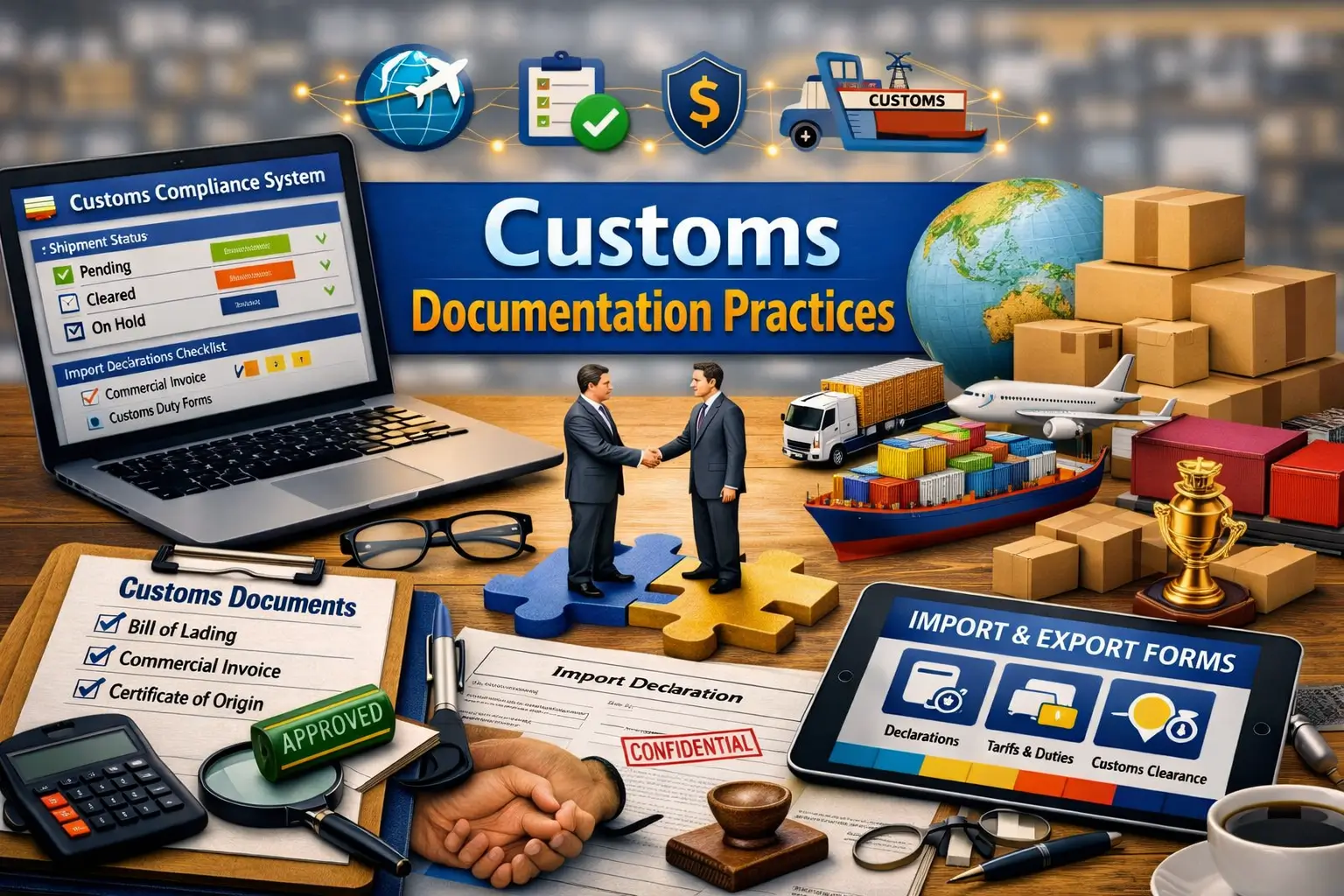
The Customs Documentation Practices Course is designed to provide learners with comprehensive knowledge of customs documentation, import-export procedures, international trade compliance, shipping regulations, and cross-border logistics operations. Accurate customs documentation is essential for ensuring smooth international trade, preventing shipment delays, and complying with global trade regulations. Therefore, this course equips learners with the essential skills required to manage customs documentation effectively.

Throughout the course, learners explore import and export documentation, customs declarations, shipping documents, tariff classifications, trade regulations, freight documentation, and customs clearance procedures. Moreover, participants gain practical knowledge of preparing customs forms, maintaining compliance, managing international shipping records, and supporting efficient trade operations.

The curriculum combines international trade principles with customs management practices, enabling learners to understand how documentation supports global logistics and supply chain efficiency. In addition, learners explore digital customs systems, documentation accuracy, risk management, and international trade best practices.

Whether you are a logistics professional, customs executive, import-export coordinator, freight forwarding specialist, entrepreneur, student, or business professional interested in global trade, this course provides valuable expertise in customs documentation practices. Upon successful completion, learners will be prepared to manage customs documentation, ensure regulatory compliance, improve shipment processing, and pursue career opportunities in logistics, customs operations, freight management, and international trade.

SKU: SDC-2639 Category:

Introduction

International trade depends on accurate customs documentation to ensure goods move smoothly across borders while complying with national and international regulations. Proper documentation reduces shipment delays, minimizes legal risks, and supports efficient customs clearance processes. The Customs Documentation Practices Course introduces learners to the principles, procedures, and best practices required for managing customs documentation effectively.

Customs documentation involves preparing, verifying, and maintaining the records required for importing and exporting goods. Therefore, professionals with expertise in customs documentation play a vital role in supporting international trade, logistics operations, and regulatory compliance.

Moreover, this course explains how organizations prepare customs declarations, shipping documents, commercial invoices, packing lists, certificates of origin, bills of lading, and other trade-related documents. Learners explore customs regulations, tariff classifications, import-export compliance, documentation accuracy, and international shipping procedures.

In addition, participants develop practical skills in documentation management, customs coordination, compliance verification, analytical thinking, and international trade administration. These competencies prepare learners for careers in customs operations, logistics management, freight forwarding, shipping, international business, and supply chain management.

By completing this course, learners establish a strong foundation in customs documentation practices while contributing to efficient international trade, regulatory compliance, and successful global logistics operations.


Course Overview

The Customs Documentation Practices Course provides comprehensive training in customs documentation, import-export procedures, trade compliance, shipping documentation, customs clearance, and international logistics management. Furthermore, the course explains how organizations ensure accurate and compliant customs processes.

Fundamentals of Customs Documentation

The course begins by introducing the core concepts of customs documentation and its importance in international trade. Learners understand customs procedures, documentation requirements, compliance standards, and regulatory frameworks.

Import and Export Documentation

Learners explore the documents required for international trade, including commercial invoices, packing lists, shipping instructions, certificates, and customs declarations.

Customs Clearance Procedures

The course explains customs clearance processes, inspection procedures, regulatory approvals, and documentation verification methods.

Tariff Classification and Trade Compliance

Participants learn tariff codes, customs valuation, trade regulations, import-export restrictions, and compliance management practices.

Freight and Shipping Documentation

Learners understand bills of lading, airway bills, freight invoices, cargo documentation, shipping instructions, and transportation records.

Digital Customs Documentation Systems

The course covers electronic documentation, customs software, digital filing systems, online trade platforms, and document automation.

Documentation Accuracy and Risk Management

Learners explore methods for preventing documentation errors, reducing compliance risks, maintaining records, and improving operational accuracy.

International Trade Regulations

Participants learn international trade agreements, customs policies, documentation standards, and global trade compliance requirements.

Record Management and Auditing

The course explains document storage, record maintenance, audit preparation, compliance monitoring, and documentation control.

Future Trends in Customs Documentation

Finally, learners explore automation, blockchain, artificial intelligence, paperless trade systems, and emerging technologies transforming customs documentation.

Overall, this course combines customs knowledge with international trade practices, enabling learners to understand every aspect of customs documentation while preparing them for careers in logistics, customs operations, and global trade.


What You Will Learn

The Customs Documentation Practices Course equips learners with practical knowledge and skills required to prepare, verify, and manage customs documentation for international trade.

Understanding Customs Documentation Principles

First, learners understand customs regulations, documentation standards, compliance requirements, and international trade procedures.

Preparing Import and Export Documents

Participants learn how to prepare commercial invoices, packing lists, certificates, shipping documents, and customs declarations.

Managing Customs Clearance

Learners explore customs clearance procedures, documentation verification, inspections, and regulatory compliance.

Applying Tariff Classification

The course teaches learners tariff coding, customs valuation, and trade classification methods.

Maintaining Documentation Accuracy

Participants gain knowledge of document verification, record management, compliance monitoring, and error prevention techniques.

Using Digital Customs Systems

Learners develop an understanding of customs software, electronic documentation, and paperless trade platforms.

Supporting International Logistics

The course explains how customs documentation supports freight operations, supply chain management, and global trade.

Improving Compliance Management

Participants learn methods for ensuring legal compliance, reducing documentation risks, and supporting efficient customs operations.


Skills You Will Gain

After completing the Customs Documentation Practices Course, learners will develop valuable customs, logistics, and international trade management skills.

Customs Documentation Skills

Develop the ability to prepare, verify, and manage customs documentation accurately.

Import-Export Management Skills

Learn documentation procedures used in international import and export operations.

Trade Compliance Skills

Gain knowledge of customs regulations, tariff classifications, and international trade compliance.

Freight Documentation Skills

Understand shipping documents, cargo records, bills of lading, and freight management processes.

Analytical Skills

Develop the ability to review documentation, identify errors, and maintain compliance.

Problem-Solving Skills

Learn how to resolve documentation issues and support efficient customs clearance.

Technology Skills

Understand digital customs systems, electronic documentation, and automation tools.

Administrative Skills

Develop strong documentation management, record-keeping, and compliance monitoring abilities.
Benefits of the Course

The Customs Documentation Practices Course provides learners with essential knowledge and practical skills required to prepare accurate customs documents, ensure international trade compliance, and support efficient import-export operations. Moreover, the course combines customs regulations with practical documentation techniques to prepare learners for careers in global logistics and international trade.

Develop Customs Documentation Expertise

First, learners gain a strong understanding of customs documentation procedures, international trade regulations, import-export documentation, and compliance requirements. As a result, they develop the ability to manage customs documents accurately and professionally.

Improve Import and Export Operations

Proper documentation ensures smooth international shipments. Therefore, this course helps learners understand how to prepare required documents, avoid shipment delays, and improve operational efficiency.

Strengthen Trade Compliance Knowledge

Compliance is essential in global trade. Consequently, learners develop knowledge of customs regulations, tariff classifications, import-export laws, and international trade standards.

Enhance Documentation Accuracy

Accurate documentation minimizes errors and penalties. Furthermore, learners gain practical skills in document verification, record management, and quality control for customs documentation.

Improve Customs Clearance Efficiency

Efficient customs clearance depends on complete and accurate documentation. Accordingly, learners understand customs procedures, inspection requirements, regulatory approvals, and clearance processes.

Learn Digital Documentation Systems

Modern customs operations increasingly rely on technology. Therefore, learners explore electronic customs documentation, paperless trade systems, digital filing methods, and customs management software.

Develop Risk Management Skills

Documentation errors can create financial and legal risks. Moreover, learners understand how to identify documentation issues, maintain compliance, and reduce operational risks.

Support International Logistics

Accurate documentation supports efficient logistics operations. Consequently, learners gain knowledge of freight documentation, cargo handling records, shipping coordination, and supply chain documentation.

Build Administrative Skills

The course strengthens record-keeping, document organization, compliance monitoring, and reporting skills required in customs and logistics operations.

Increase Career Opportunities

The growing volume of international trade has created strong demand for customs documentation professionals. Therefore, completing this course enhances career opportunities in customs, logistics, shipping, and global trade industries.

Prepare for Advanced Learning

The course provides a solid foundation for advanced studies in international trade, customs management, logistics, supply chain management, and global business operations.


Who Should Enroll

The Customs Documentation Practices Course is designed for individuals who want to develop expertise in customs procedures, import-export documentation, logistics administration, and international trade compliance.

Logistics Professionals

Logistics professionals can improve their knowledge of customs documentation, shipping procedures, and international logistics operations.

Import and Export Executives

Import-export professionals can strengthen their expertise in customs compliance, trade documentation, and international shipping requirements.

Freight Forwarding Professionals

Freight forwarding specialists can enhance their skills in cargo documentation, shipment coordination, and customs documentation management.

Customs and Trade Professionals

Professionals working in customs operations can improve their understanding of customs regulations, documentation accuracy, and compliance procedures.

Supply Chain Professionals

Supply chain managers can learn how customs documentation supports efficient international supply chain operations.

Business Owners and Entrepreneurs

Entrepreneurs involved in international trade can understand customs procedures and improve import-export documentation practices.

Students and Graduates

Students pursuing logistics, supply chain management, commerce, international business, or business administration can develop valuable professional skills.

Professionals Interested in International Trade

Individuals planning careers in customs, shipping, logistics, or international trade can gain practical knowledge of documentation practices.


Career Opportunities

As international trade continues to expand, organizations require professionals who can manage customs documentation accurately and ensure compliance with global trade regulations. Therefore, completing the Customs Documentation Practices Course can help learners build rewarding careers across logistics, customs administration, shipping, and international business.

Potential career roles include:

  • Customs Documentation Executive
  • Import and Export Coordinator
  • Customs Compliance Officer
  • Logistics Documentation Specialist
  • Freight Documentation Executive
  • Shipping Documentation Officer
  • International Trade Executive
  • Logistics Coordinator
  • Customs Operations Assistant
  • Supply Chain Documentation Specialist
  • Freight Forwarding Executive
  • Trade Compliance Specialist
  • Documentation Controller
  • Logistics Administrator
  • International Logistics Coordinator

Graduates may find employment opportunities in:

  • Logistics companies
  • Freight forwarding organizations
  • Shipping companies
  • Import and export businesses
  • Customs brokerage firms
  • Manufacturing industries
  • E-commerce companies
  • Supply chain organizations
  • International trading companies
  • Multinational corporations

Furthermore, this course provides a strong foundation for advanced education and specialization in customs management, international logistics, trade compliance, and supply chain management.


Certification

Upon successfully completing the Customs Documentation Practices Course, learners will receive a Course Completion Certificate that recognizes their knowledge of customs documentation, import-export procedures, customs compliance, international shipping documentation, and trade regulations.

Moreover, the certificate demonstrates your commitment to professional development and continuous learning in customs administration and international logistics. It can strengthen your resume, improve your professional profile, and increase employment opportunities with organizations involved in global trade and logistics.

Additionally, the certification validates your understanding of customs documentation standards, shipping records, compliance procedures, electronic documentation systems, and international trade requirements. Consequently, it supports career advancement while preparing learners for roles in customs operations, logistics management, and international business.


Conclusion

Accurate customs documentation is essential for ensuring smooth international trade, regulatory compliance, and efficient cross-border logistics operations. Therefore, professionals with expertise in customs documentation practices are highly valuable for organizations engaged in global commerce.

The Customs Documentation Practices Course provides comprehensive knowledge of import-export documentation, customs regulations, trade compliance, shipping records, documentation management, and digital customs systems. Moreover, learners develop practical skills that enable them to prepare accurate documents, reduce compliance risks, and improve international logistics performance.

Throughout the course, participants strengthen their administrative abilities, analytical thinking, documentation management skills, and international trade knowledge while exploring modern customs procedures. In addition, they gain valuable insights into paperless trade, automation, digital documentation systems, and global compliance standards.

Whether your goal is to work in customs administration, manage import-export documentation, support international logistics operations, or build a career in global trade, this course provides the knowledge and confidence needed for long-term success. Ultimately, it prepares learners to contribute to efficient customs operations, compliant international trade practices, and successful global supply chain management.


FAQ SECTION

1. What is the Customs Documentation Practices Course?

The Customs Documentation Practices Course provides training in customs documentation, import-export procedures, shipping records, trade compliance, and international logistics documentation.

2. Who should enroll in this course?

This course is ideal for logistics professionals, customs executives, import-export coordinators, freight forwarding specialists, students, entrepreneurs, and individuals interested in international trade.

3. Do I need prior customs experience?

No. The course is suitable for beginners as well as professionals who want to improve their customs documentation and international trade skills.

4. What topics are covered in this course?

The course covers customs documentation, import-export procedures, customs clearance, shipping documentation, tariff classifications, trade compliance, and digital documentation systems.

5. What skills will I gain after completing this course?

You will develop skills in customs documentation, trade compliance, import-export management, documentation accuracy, record management, and international logistics.

6. Why is customs documentation important?

Customs documentation ensures legal compliance, supports efficient customs clearance, reduces shipment delays, prevents penalties, and facilitates international trade.

7. What career opportunities are available after completing this course?

Graduates can pursue careers as Customs Documentation Executives, Import-Export Coordinators, Logistics Documentation Specialists, Trade Compliance Officers, and Freight Documentation Executives.

8. Will I receive a certificate after completing this course?

Yes. Learners who successfully complete the course will receive a Course Completion Certificate that validates their knowledge and skills in customs documentation practices.

9. How do customs documentation practices improve business operations?

They improve business operations by ensuring regulatory compliance, reducing shipment delays, minimizing documentation errors, supporting efficient customs clearance, and improving international logistics performance.

10. How can this course benefit my career?

This course strengthens your customs and international trade expertise, enhances your professional profile, expands career opportunities, and prepares you for roles in logistics, customs administration, import-export management, and global trade.

Course Teacher Name

Komal Meena

Language

Hindi, English, Punjabi, Marathi, Malyalam

Mode

Online, Offline

Course Certificates

Yes

Reviews

There are no reviews yet.

Be the first to review “Customs Documentation Practices”

Your email address will not be published. Required fields are marked *