
Introduction
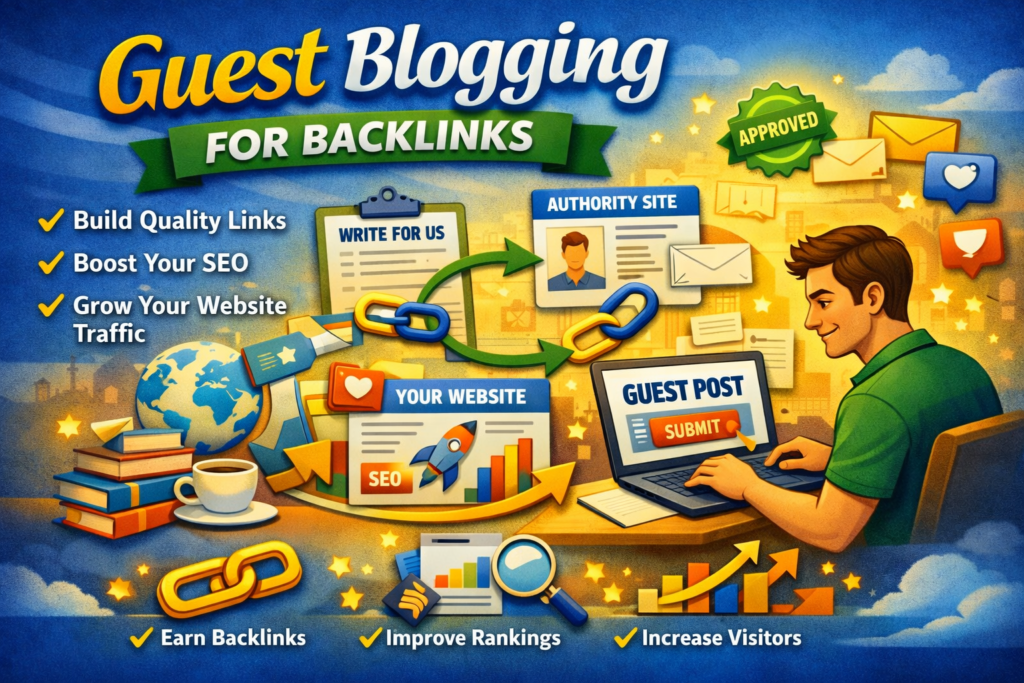
In today’s digital world, guest blogging has become one of the most effective strategies for building authority, improving SEO, and expanding your audience. For beginners, it’s an exciting opportunity to share knowledge, connect with industry experts, and grow your online presence. Eduvish.com’s Guest Blogging for Beginners guide is your step‑by‑step roadmap to mastering this art — from finding the right blogs to writing posts that get published and noticed.
What Is Guest Blogging?
Guest blogging means writing and publishing articles on someone else’s website or blog. It’s a win‑win: you provide valuable content to their audience, and in return, you gain exposure, backlinks, and credibility.
Benefits of Guest Blogging
- Boost SEO – Quality backlinks improve your search ranking.
- Build authority – Establish yourself as an expert in your niche.
- Expand audience – Reach new readers and potential clients.
- Network with influencers – Collaborate with established bloggers.
- Increase website traffic – Drive visitors to your own site.
Why Backlines Should Start Guest Blogging
If you’re new to content creation or digital marketing, guest blogging is the perfect starting point. It helps you:
- Practice writing for diverse audiences.
- Learn SEO and content optimization.
- Gain recognition in your field.
- Build relationships with editors and marketers.
Step‑by‑Step Guide to Guest Blogging
1. Identify Your Niche
Before you start, define your area of expertise. Ask yourself:
- What topics am I passionate about?
- What problems can I solve for readers?
- Which industries align with my goals?
Use tools like Google Trends, or SEMrush to find trending topics in your niche.
2. Find Guest Blogging Opportunities
Search using keywords like:
- “Write for us” + your niche
- “Guest post guidelines” + topic
- “Submit article” + industry
You can also explore platforms like Medium, HubSpot, for inspiration.
3. Analyze Target Blogs
Before pitching, study the blog:
- Audience type and engagement level
- Writing style and tone
- Popular topics and categories
- Guest post guidelines
4. Craft a Winning Pitch
Your pitch should be short, professional, and personalized. Include:
- A friendly greeting
- A brief introduction
- Your proposed topic ideas
- Why your post adds value
- Links to previous work
Writing a High‑Quality Guest Post
1. Understand the Audience
Tailor your content to the blog’s readers. Beginners often make the mistake of writing for themselves instead of the audience.
2. Choose a Strong Topic
Pick topics that are:
- Relevant
- Actionable
- Unique
- SEO‑friendly
Use keyword research tools to find high‑ranking phrases.
3. Structure Your Post
A good guest post includes:
- Headline: Catchy and keyword‑rich.
- Introduction: Hook readers immediately.
- Body: Provide value with examples and data.
- Conclusion: Summarize and include a call‑to‑action.
4. Optimize for SEO
- Use keywords naturally.
- Add internal and external links.
- Include subheadings and bullet points.
- Optimize images with alt text.
5. Add a Compelling Author Bio
Your bio is your digital handshake. Include:
- Your name and expertise.
- A link to your website or portfolio.
- Social media handles.
Common Mistakes Backlinks Make
Avoid these pitfalls:
- Ignoring guidelines – Always follow submission rules.
- Over‑promotion – Focus on value, not self‑advertising.
- Weak headlines – Titles should grab attention.
- Poor formatting – Use short paragraphs and visuals.
- No follow‑up – Always thank the editor and engage with comments.
How Guest Blogging Improves SEO
Guest blogging is a powerful SEO tool.
- Backlinks: Each guest post links back to your site, improving domain authority.
- Referral traffic: Readers click through to learn more about you.
- Brand mentions: Builds trust and recognition.
- Content diversification: Expands your keyword reach.
Measuring Success
Track your guest blogging performance using:
- Google Analytics (traffic and conversions)
- Ahrefs (backlink growth)
- SEMrush (keyword ranking)
- Social media engagement metrics
Advanced Guest Blogging Strategies
- Collaborative posts – Co‑author with industry experts.
- Round‑up articles – Feature multiple voices.
- Email outreach – Build long‑term relationships.
- Repurpose content – Turn blogs into videos or infographics.
Conclusion
Guest blogging is more than writing — it’s about building relationships, authority, and trust. With Guest Blogging for Backlinks, you’ll learn how to create impactful content, connect with top blogs, and grow your digital footprint. Start today, and let your words open doors to endless opportunities.

