
Introduction
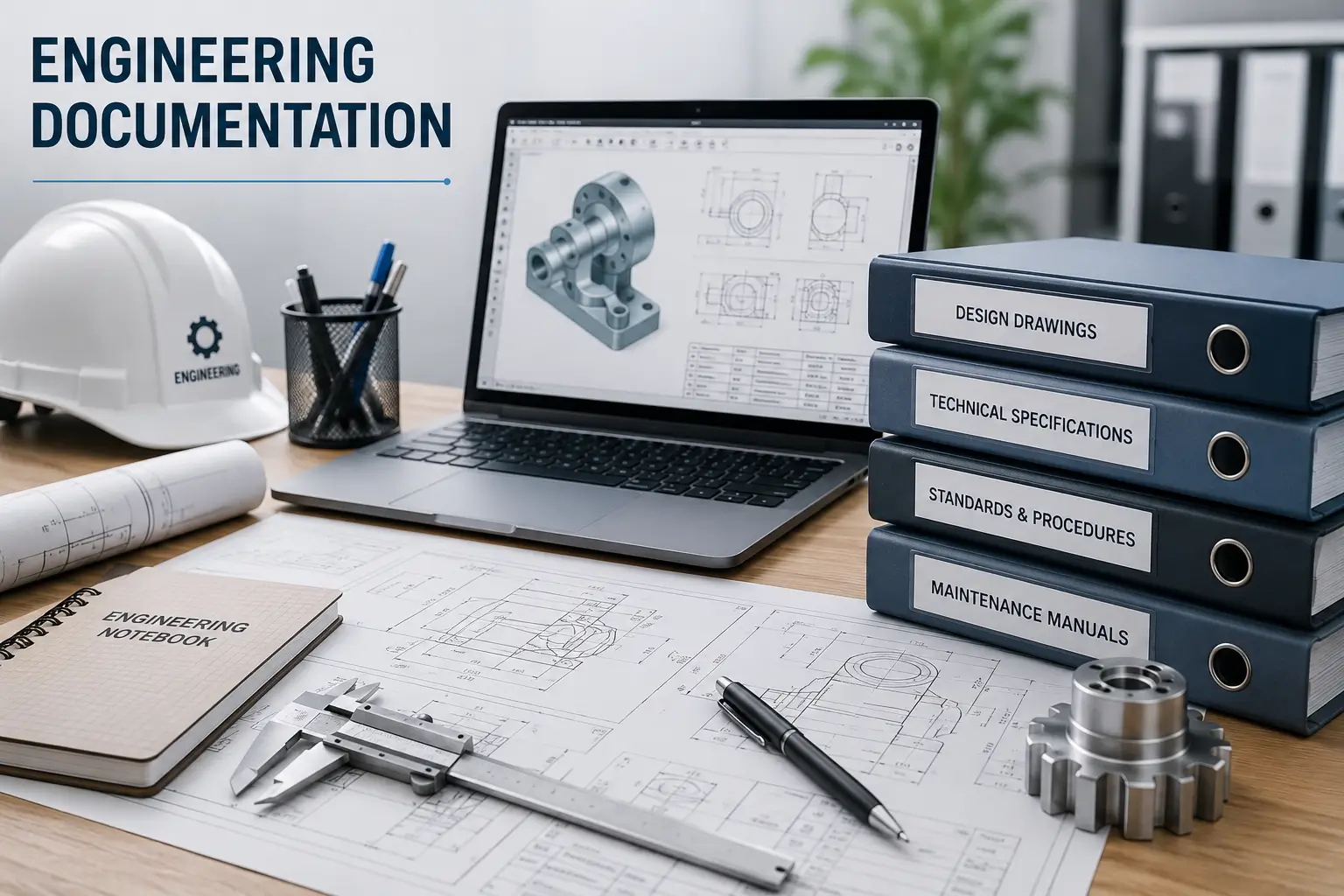
The Engineering Documentation Course is a comprehensive training program designed to help learners develop the knowledge and practical skills required to create, manage, and maintain professional engineering documents. Engineering projects rely on clear, accurate, and well-organized documentation to support communication, quality assurance, regulatory compliance, and efficient project execution. Therefore, engineering documentation plays an essential role throughout the entire project lifecycle.
From the initial planning stage to design, manufacturing, installation, testing, maintenance, and project completion, every engineering activity requires accurate documentation. Well-prepared documents help engineering teams communicate effectively, reduce errors, improve decision-making, and maintain consistent project standards. They also provide valuable records for audits, inspections, maintenance, and future improvements.
This course provides learners with a practical understanding of engineering documentation by combining technical writing, document management, engineering standards, revision control, quality documentation, and digital documentation practices. Whether you are an engineering student, technician, project coordinator, quality professional, supervisor, engineering assistant, or someone interested in engineering administration, this course provides valuable knowledge that supports technical and professional growth.
Course Overview
Engineering documentation involves preparing, organizing, reviewing, updating, and maintaining technical documents that support engineering projects and industrial operations. Instead of relying on informal communication, engineering organizations use standardized documentation to improve accuracy, accountability, and collaboration.
First, learners explore the importance of engineering documentation in modern engineering environments. Next, they understand how proper documentation supports project planning, quality management, compliance, maintenance, and operational efficiency.
Additionally, the course explains engineering drawings, technical reports, specifications, work instructions, standard operating procedures, revision management, document approval, and document control systems. Learners also gain practical knowledge of technical writing, engineering standards, digital documentation tools, and regulatory requirements.
Furthermore, the curriculum combines theoretical concepts with practical engineering applications, helping learners develop confidence in creating and managing technical documentation across different industries.
What You Will Learn
The Engineering Documentation Course covers a wide range of topics related to preparing and managing engineering documents.
First, learners study the fundamentals of engineering documentation and understand why documentation is important for engineering projects, manufacturing operations, maintenance activities, and quality management. They also explore the different types of engineering documents used throughout the project lifecycle.
Next, participants learn how to prepare technical reports, project reports, inspection reports, maintenance records, testing reports, and engineering summaries. They understand how clear and accurate reports improve communication and decision-making.
Additionally, the course introduces engineering drawings, technical specifications, blueprints, symbols, and design documents. Learners discover how these documents communicate technical information between engineering teams, contractors, manufacturers, and clients.
Furthermore, participants study standard operating procedures (SOPs), work instructions, operational manuals, maintenance procedures, and installation guides. These documents help organizations maintain consistency, improve safety, and support efficient operations.
The course also explains technical writing principles. Learners understand how to write clear, simple, and professional engineering documents using appropriate language, formatting, structure, and terminology.
Moreover, participants explore document formatting, templates, numbering systems, naming conventions, revision history, and version control. These practices help engineering organizations maintain organized and up-to-date documentation.
In addition, the curriculum introduces document control systems. Learners study document approval workflows, review processes, access control, document storage, retrieval methods, and record retention practices that improve document management.
Participants also gain knowledge of quality documentation, including quality manuals, inspection checklists, audit reports, non-conformance reports, corrective action records, and compliance documentation used in quality management systems.
Additionally, the course explains engineering standards, regulatory requirements, ISO documentation practices, compliance records, and audit preparation techniques that help organizations meet industry requirements.
The curriculum also covers project documentation, procurement records, equipment manuals, vendor documentation, commissioning reports, and maintenance documentation that support engineering projects from start to finish.
Furthermore, learners explore digital documentation systems, document management software, cloud-based collaboration tools, electronic document control systems, and secure information management practices used in modern engineering organizations.
Finally, participants study communication skills, teamwork, documentation reviews, continuous improvement, and best practices that improve document quality and project efficiency.
Skills You Will Gain
Upon successful completion of the course, learners will develop valuable professional skills, including:
- Engineering documentation
- Technical writing
- Engineering report preparation
- Engineering drawings interpretation
- Document control
- Revision management
- Version control
- Technical specifications
- Standard operating procedures (SOPs)
- Quality documentation
- Project documentation
- Compliance documentation
- Digital document management
- Technical communication
- Documentation review
These skills are highly valued across engineering firms, manufacturing companies, construction organizations, infrastructure projects, energy companies, utilities, aerospace industries, and industrial operations.
Benefits of the Course
The Engineering Documentation Course provides learners with practical knowledge and professional documentation skills used throughout engineering projects.
First, the course helps learners understand how accurate documentation improves communication, project management, quality assurance, and compliance.
Additionally, participants strengthen their ability to prepare technical reports, manage engineering records, organize documentation, and maintain document accuracy.
Furthermore, learners develop practical skills in technical writing, document control, revision management, quality documentation, engineering standards, and digital documentation systems.
The course also improves communication, attention to detail, organization, analytical thinking, and teamwork skills that support engineering careers.
As engineering projects become increasingly complex and highly regulated, professionals with strong documentation skills remain valuable across multiple industries.
Finally, learners gain the confidence to contribute to engineering projects by creating clear, organized, and reliable technical documentation.
Who Should Enroll?
This course is ideal for:
- Engineering students
- Mechanical engineers
- Civil engineers
- Electrical engineers
- Industrial engineers
- Engineering technicians
- Project coordinators
- Quality assurance professionals
- Documentation specialists
- CAD professionals
- Technical writers
- Maintenance professionals
- Project administrators
- Engineering assistants
- Anyone interested in engineering documentation
No prior documentation experience is required. Therefore, beginners and experienced professionals can both benefit from this course.
Career Opportunities
After completing the course, learners may pursue opportunities such as:
- Engineering Documentation Specialist
- Technical Documentation Officer
- Engineering Project Coordinator
- Technical Writer
- Document Controller
- Quality Documentation Coordinator
- Engineering Assistant
- Project Documentation Executive
- Compliance Documentation Specialist
- CAD Documentation Coordinator
- Maintenance Documentation Officer
- Technical Support Executive
- Engineering Administrator
- Project Records Coordinator
- Documentation Analyst
Additionally, learners can apply these skills across engineering, manufacturing, construction, infrastructure, utilities, energy, aerospace, industrial maintenance, and consulting organizations.
Certification
Upon successful completion of the Engineering Documentation Course, participants receive a certification recognizing their understanding of technical writing, document control, engineering reports, engineering drawings, revision management, quality documentation, compliance documentation, and digital document management. This certification strengthens professional credibility and supports career advancement in engineering, project management, manufacturing, and technical administration.
Why Choose This Course?
The Engineering Documentation Course combines engineering documentation principles with practical workplace applications to provide a comprehensive learning experience.
First, learners develop a strong understanding of technical writing, engineering documentation, document control, and project communication.
Additionally, the curriculum focuses on engineering reports, technical specifications, SOPs, revision management, quality documentation, compliance requirements, and digital document management systems.
Furthermore, participants gain industry-relevant knowledge that supports career development in engineering, manufacturing, construction, quality management, project coordination, and technical documentation.
Whether your goal is to become a document controller, technical writer, engineering assistant, project coordinator, quality professional, or engineering administrator, this course provides the knowledge, practical skills, and confidence needed to succeed.
Enroll today and build a strong foundation in engineering documentation, technical writing, document management, and engineering communication.
FAQ Section
1. What is the Engineering Documentation Course?
The course teaches how to prepare, organize, manage, and maintain engineering documents used in projects, manufacturing, maintenance, and technical operations.
2. Is this course suitable for beginners?
Yes. The course is designed for beginners as well as professionals who want to improve their engineering documentation skills.
3. What topics are covered?
Topics include technical writing, engineering reports, engineering drawings, document control, SOPs, revision management, quality documentation, compliance, and digital document management.
4. Will I receive a certificate?
Yes. Participants receive a certificate upon successful completion of the course.
5. Do I need prior engineering documentation experience?
No. The course introduces engineering documentation concepts in a simple and beginner-friendly format.
6. Who should enroll in this course?
Engineering students, technicians, project coordinators, quality professionals, document controllers, technical writers, and engineering assistants can benefit from this course.
7. Is the course fully online?
Yes. The course offers flexible online learning, allowing participants to study at their own pace.
8. What skills will I gain?
You will gain skills in technical writing, engineering documentation, document control, revision management, project documentation, compliance documentation, and digital document management.
9. Can this course help my career?
Yes. Engineering documentation skills are highly valued across engineering, manufacturing, construction, infrastructure, energy, aerospace, and industrial sectors.
10. Why is engineering documentation important?
Engineering documentation improves communication, supports quality assurance, ensures regulatory compliance, maintains accurate project records, reduces errors, and helps engineering teams complete projects successfully.



Reviews
There are no reviews yet.