
Introduction
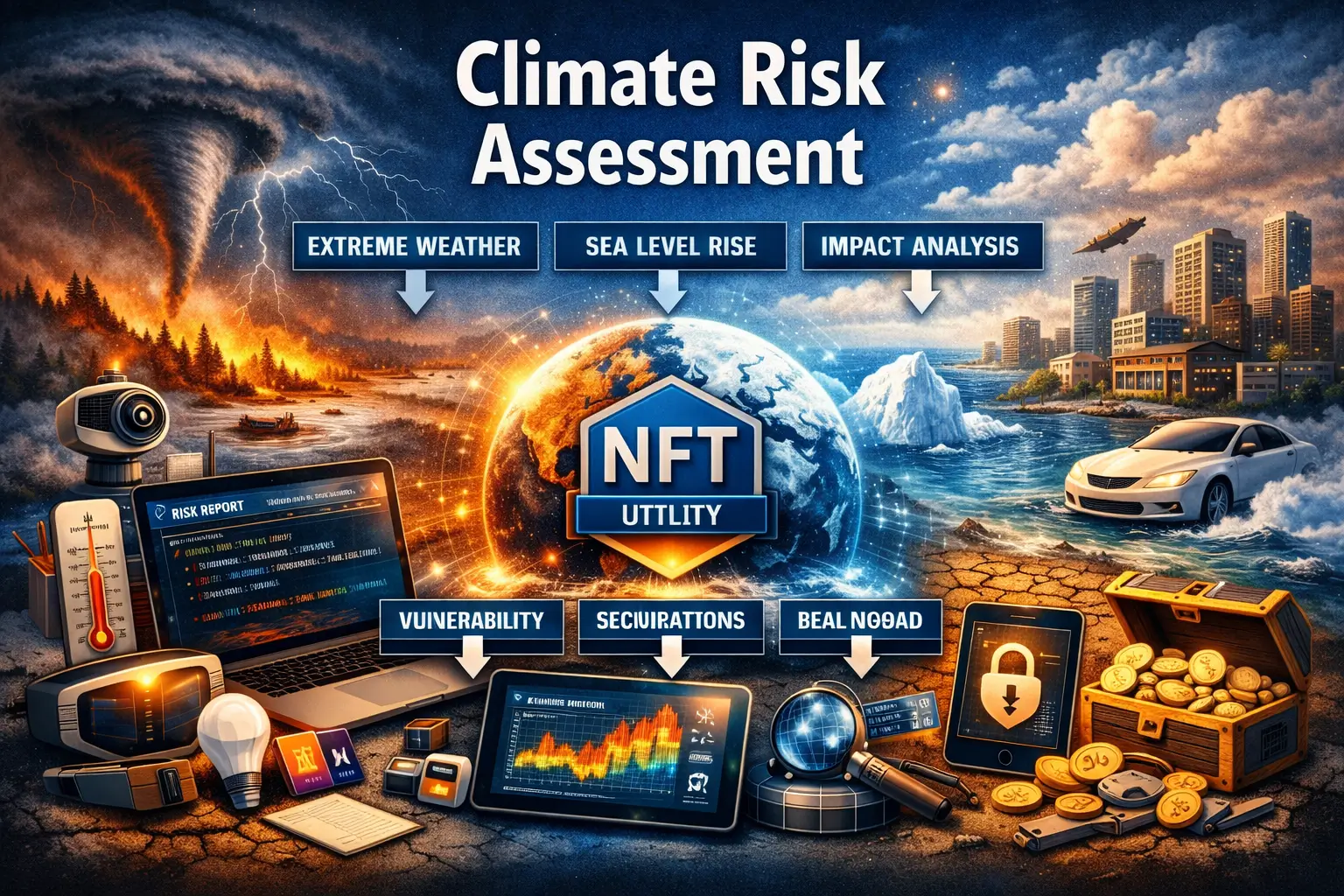
The Climate Risk Assessment Course is a comprehensive training program designed to help learners understand the growing impact of climate change on businesses, communities, ecosystems, and infrastructure. Climate-related events such as floods, droughts, storms, heatwaves, and rising sea levels are becoming increasingly frequent and severe. Therefore, organizations across the world are focusing on climate risk assessment to better understand vulnerabilities and prepare for future challenges.
This course introduces learners to the principles of climate risk analysis, environmental risk identification, climate adaptation planning, and resilience-building strategies. Moreover, participants gain practical knowledge of climate hazards, vulnerability assessment methods, climate data interpretation, and sustainable risk management practices.
Whether you are an environmental professional, sustainability practitioner, policymaker, student, researcher, consultant, or business leader, this course provides valuable insights into assessing and managing climate-related risks.
Course Overview
Climate change is influencing natural systems, economic activities, and social development across the globe. Consequently, governments, businesses, and communities must identify potential risks and develop effective adaptation strategies.
The Climate Risk Assessment Course provides learners with a structured understanding of climate hazards, exposure analysis, vulnerability assessment, and resilience planning. Additionally, the course explains how climate risks can affect infrastructure, agriculture, energy systems, financial institutions, public health, and environmental resources.
By combining theoretical concepts with practical applications, the course helps learners understand how climate risk assessment supports informed decision-making and long-term sustainability.
What You Will Learn
The Climate Risk Assessment Course covers a broad range of climate-related topics. First, learners explore the science of climate change and the factors driving climate-related risks. Next, they study different climate hazards such as floods, droughts, wildfires, storms, and extreme temperature events.
Furthermore, the course explains climate vulnerability assessment techniques, exposure analysis methods, and climate impact evaluation processes. Learners also gain knowledge of adaptation planning, resilience-building strategies, and climate risk management frameworks.
In addition, participants examine climate data interpretation, environmental monitoring practices, sustainability planning approaches, and climate governance principles. These topics provide a comprehensive understanding of climate risk assessment in modern environmental and business contexts.
Skills You Will Gain
Upon successful completion of the course, learners will develop valuable skills, including:
- Climate risk assessment
- Climate vulnerability analysis
- Environmental risk evaluation
- Climate adaptation planning
- Sustainability management
- Risk mitigation strategies
- Climate resilience planning
- Environmental data interpretation
- Strategic decision-making
- Climate impact assessment
Moreover, these skills are increasingly valuable in sustainability, environmental management, consulting, public policy, and corporate governance sectors.
Benefits of the Course
The Climate Risk Assessment Course offers numerous benefits for learners interested in sustainability and environmental management. First, it provides a strong understanding of climate-related challenges affecting organizations and communities worldwide.
Additionally, the course helps learners develop practical skills for identifying risks, evaluating vulnerabilities, and designing adaptation strategies. Furthermore, participants gain knowledge that supports informed decision-making and long-term sustainability planning.
Because climate risks are becoming a major concern across industries, professionals with climate assessment expertise are increasingly sought after. As a result, learners can strengthen their career prospects while contributing to environmental resilience and sustainable development.
Who Should Enroll?
This course is ideal for:
- Sustainability professionals
- Environmental consultants
- Climate change practitioners
- Government officials
- Urban planners
- Researchers and academics
- Corporate risk managers
- Environmental science students
- NGO professionals
- Business leaders and managers
No prior climate risk assessment experience is required. Therefore, beginners can confidently enroll and build foundational knowledge in climate resilience and adaptation.
Career Opportunities
After completing the course, learners may pursue opportunities such as:
- Climate Risk Analyst
- Sustainability Consultant
- Environmental Risk Assessment Officer
- Climate Resilience Coordinator
- Sustainability Program Associate
- Environmental Planning Specialist
- Climate Adaptation Advisor
- ESG Support Executive
- Sustainability Research Assistant
- Environmental Policy Associate
Additionally, learners can apply their knowledge across government agencies, environmental organizations, consulting firms, research institutions, financial organizations, and sustainability-focused businesses.
Certification
Upon successful completion of the Climate Risk Assessment Course, participants receive a certification recognizing their understanding of climate risk analysis, vulnerability assessment, adaptation planning, and sustainability management practices.
This certification can enhance professional credibility and support career advancement in sustainability, environmental management, climate consulting, and risk assessment fields.
Why Choose This Course?
The Climate Risk Assessment Course combines climate science fundamentals with practical risk management approaches to provide a comprehensive learning experience. Moreover, it equips learners with knowledge and skills that can be applied across multiple industries and sectors.
The curriculum focuses on climate hazards, vulnerability analysis, resilience planning, adaptation strategies, and sustainability frameworks. Furthermore, learners gain insights into emerging climate challenges and the growing importance of climate risk management.
Whether your goal is to support sustainability initiatives, contribute to climate resilience planning, enhance environmental management skills, or build a career in climate-related fields, this course provides the knowledge, confidence, and practical understanding needed to succeed.
Enroll today and build a strong foundation in climate risk assessment, climate resilience planning, sustainability management, and environmental adaptation strategies.
FAQ SECTION
1. What is the Climate Risk Assessment Course?
The course teaches climate risk analysis, vulnerability assessment, resilience planning, adaptation strategies, and sustainability management practices.
2. Is this course suitable for beginners?
Yes. The course is designed for beginners as well as professionals interested in climate resilience and sustainability.
3. What topics are covered?
Topics include climate hazards, climate vulnerability assessment, adaptation planning, resilience strategies, sustainability frameworks, and risk management.
4. Will I receive a certificate?
Yes. Participants receive a certificate upon successful completion of the course.
5. Do I need prior experience?
No. The course introduces climate risk assessment concepts in a beginner-friendly format.
6. Who should enroll in this course?
Sustainability professionals, environmental consultants, students, policymakers, researchers, and business managers can benefit from this course.
7. Is the course fully online?
Yes. The course offers flexible online learning opportunities.
8. What skills will I gain?
You will gain skills in climate risk analysis, vulnerability assessment, sustainability planning, adaptation strategy development, and resilience management.
9. Can this course help my career?
Yes. Climate risk assessment skills are increasingly valued in sustainability, environmental management, consulting, finance, and public policy sectors.
10. Why is climate risk assessment important?
Climate risk assessment helps organizations identify vulnerabilities, manage environmental risks, improve resilience, and support long-term sustainable development.




Reviews
There are no reviews yet.