
Introduction
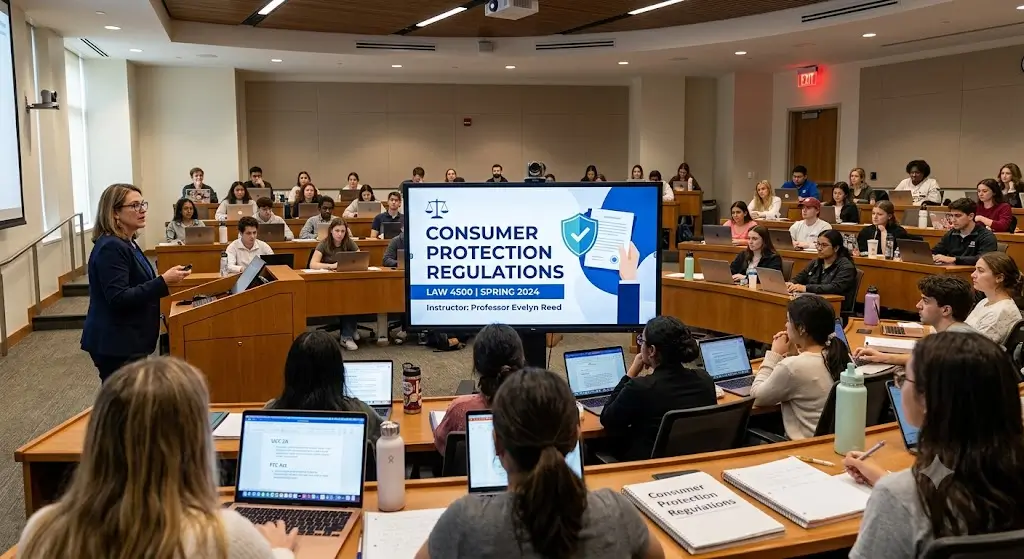
The Consumer Protection Regulations Course is a comprehensive training program designed to provide learners with a strong understanding of the legal and regulatory framework that protects consumers and promotes fair business practices. Consumer protection regulations play a critical role in ensuring that businesses provide safe products and services, communicate honestly with customers, comply with legal requirements, and resolve consumer issues fairly. Organizations that understand consumer protection principles build stronger customer relationships, enhance their reputation, and reduce legal and regulatory risks.
Consumer protection regulations cover a wide range of topics, including consumer rights, product safety, fair advertising, transparent contracts, complaint handling, dispute resolution, digital commerce, privacy awareness, ethical business conduct, and regulatory compliance. Businesses across retail, finance, healthcare, e-commerce, telecommunications, manufacturing, hospitality, and service industries rely on these principles to operate responsibly.
This course combines legal awareness with practical business applications to help learners understand how consumer protection regulations support ethical and compliant business operations.
Whether you are a student, entrepreneur, customer service professional, compliance officer, retailer, manager, legal support professional, business owner, consultant, or working professional, this course provides valuable knowledge that can be applied across multiple industries.
Why Consumer Protection Regulations are Important
Consumer protection regulations help businesses build trust while protecting consumer rights and ensuring fair market practices.
Key benefits include:
- Protects consumer rights
- Promotes fair trade practices
- Improves business compliance
- Enhances customer satisfaction
- Supports ethical business conduct
- Reduces legal and financial risks
- Improves product and service quality
- Strengthens organizational reputation
- Encourages transparent business practices
- Supports long-term business sustainability
For example, organizations apply consumer protection regulations to product safety, customer service, marketing, online commerce, complaint resolution, contract management, and regulatory compliance.
Course Overview
This course provides a structured understanding of consumer protection regulations and business compliance.
Learners will explore:
- Introduction to consumer protection
- Consumer rights and responsibilities
- Consumer protection laws
- Fair trade practices
- Product safety and quality
- Advertising standards
- Consumer contracts
- Complaint handling procedures
- Dispute resolution methods
- Business compliance
- Digital consumer protection
- Privacy awareness
- Ethical business practices
- Regulatory requirements
- Best practices in consumer protection
What You Will Learn
By the end of this course, learners will be able to:
- Understand consumer protection regulations
- Recognize consumer rights
- Support regulatory compliance
- Promote ethical business practices
- Handle consumer complaints professionally
- Improve customer service standards
- Understand fair advertising principles
- Support product and service compliance
- Reduce business risks
- Contribute to customer trust and business success
Key Components of Consumer Protection Regulations
1. Consumer Rights and Business Responsibilities
Learn the principles of consumer rights, business obligations, fair treatment, transparency, product quality, and ethical commercial practices.
2. Product Safety and Fair Marketing
Understand product safety requirements, truthful advertising, pricing transparency, product information, labeling, and responsible marketing practices.
3. Consumer Contracts and Complaint Handling
Explore consumer agreements, complaint management, customer service standards, dispute resolution methods, and communication strategies.
4. Regulatory Compliance and Risk Management
Learn how organizations maintain compliance with consumer protection regulations, identify legal risks, document procedures, and support continuous improvement.
5. Practical Business Applications
Understand how consumer protection regulations support retail operations, e-commerce, financial services, hospitality, healthcare, customer service, manufacturing, and public services.
Skills You Will Gain
After completing this course, learners will develop valuable professional skills, including:
- Consumer protection knowledge
- Regulatory compliance
- Customer service
- Complaint handling
- Consumer rights awareness
- Business communication
- Ethical decision-making
- Risk management
- Documentation management
- Dispute resolution
- Analytical thinking
- Problem-solving
- Business ethics
- Professional administration
- Customer relationship management
Benefits of This Course
Completing this course offers several professional advantages, including:
- Strong understanding of consumer protection principles
- Better regulatory compliance awareness
- Improved customer service and complaint handling skills
- Practical understanding of consumer rights
- Better ethical decision-making capabilities
- Enhanced business communication skills
- Increased employability across retail, customer service, legal support, compliance, finance, healthcare, e-commerce, hospitality, government, and corporate sectors
- Competitive advantage in compliance and customer relations roles
- Strong foundation for advanced studies in consumer law, business compliance, commercial law, and customer experience management
Who Should Enroll?
This course is suitable for:
- Students
- Business Professionals
- Retail Professionals
- Customer Service Executives
- Compliance Officers
- Entrepreneurs
- Managers
- Legal Support Staff
- Consumer Relations Professionals
- Anyone interested in consumer protection regulations
No previous legal knowledge is required, making this course suitable for beginners as well as experienced professionals.
Career Opportunities
After completing this course, learners can strengthen their professional capabilities in roles such as:
- Customer Service Executive
- Consumer Relations Executive
- Compliance Officer
- Retail Operations Executive
- Business Administrator
- Customer Experience Specialist
- Legal Support Assistant
- Quality Assurance Executive
- Complaint Resolution Officer
- Business Operations Executive
- Regulatory Compliance Coordinator
Certification
Upon successful completion of the Consumer Protection Regulations Course, learners receive a professional certificate recognizing their knowledge of consumer protection regulations, consumer rights, business compliance, fair trade practices, complaint handling, dispute resolution, product safety, ethical business practices, regulatory requirements, and customer relationship management. This certification enhances career opportunities across retail organizations, e-commerce companies, financial institutions, healthcare providers, government agencies, manufacturing companies, hospitality businesses, consulting firms, customer service centers, and multinational corporations.
Conclusion
The Consumer Protection Regulations Course provides learners with practical knowledge and professional skills to understand consumer rights and support legally compliant, ethical business operations. By mastering consumer protection principles, complaint handling, regulatory compliance, product safety awareness, fair marketing practices, dispute resolution, customer communication, and business ethics, learners will be well prepared to strengthen customer trust and organizational success.
Whether your goal is to build a career in customer service, compliance, retail management, legal support, business administration, consumer relations, or corporate governance, this course provides a strong foundation for long-term professional growth.
FAQ
1. What is the Consumer Protection Regulations Course?
It is a course that teaches the legal principles and regulatory requirements that protect consumers while helping businesses maintain fair, ethical, and compliant practices.
2. Who should enroll in this course?
Students, business professionals, retailers, customer service professionals, compliance officers, entrepreneurs, managers, legal support staff, consumer relations specialists, and anyone interested in consumer protection.
3. Do I need prior legal knowledge?
No. The course is beginner-friendly and suitable for learners with no previous background in law or consumer protection.
4. What topics are covered in this course?
The course covers consumer rights, fair trade practices, product safety, advertising standards, consumer contracts, complaint handling, dispute resolution, business compliance, digital consumer protection, privacy awareness, and ethical business practices.
5. Will I learn how businesses comply with consumer protection regulations?
Yes. The course explains how organizations maintain compliance through ethical practices, transparent communication, quality standards, customer service, and effective complaint management.
6. Does this course include complaint handling and customer service?
Yes. You will learn complaint resolution procedures, dispute management, customer communication, service standards, and techniques for improving customer satisfaction.
7. Will I receive a certificate after completing the course?
Yes. A professional course completion certificate is awarded upon successful completion.
8. Why are consumer protection regulations important?
Consumer protection regulations safeguard consumer rights, encourage fair competition, improve product and service quality, reduce business risks, and strengthen trust between businesses and customers.
9. How do consumer protection regulations benefit organizations?
They improve legal compliance, customer satisfaction, business reputation, ethical governance, complaint management, operational efficiency, and long-term business sustainability.
10. What career opportunities are available after this course?
This course strengthens your professional skills for roles such as Customer Service Executive, Consumer Relations Executive, Compliance Officer, Retail Operations Executive, Business Administrator, Customer Experience Specialist, Legal Support Assistant, Quality Assurance Executive, Complaint Resolution Officer, Business Operations Executive, and Regulatory Compliance Coordinator.




Reviews
There are no reviews yet.