
Introduction
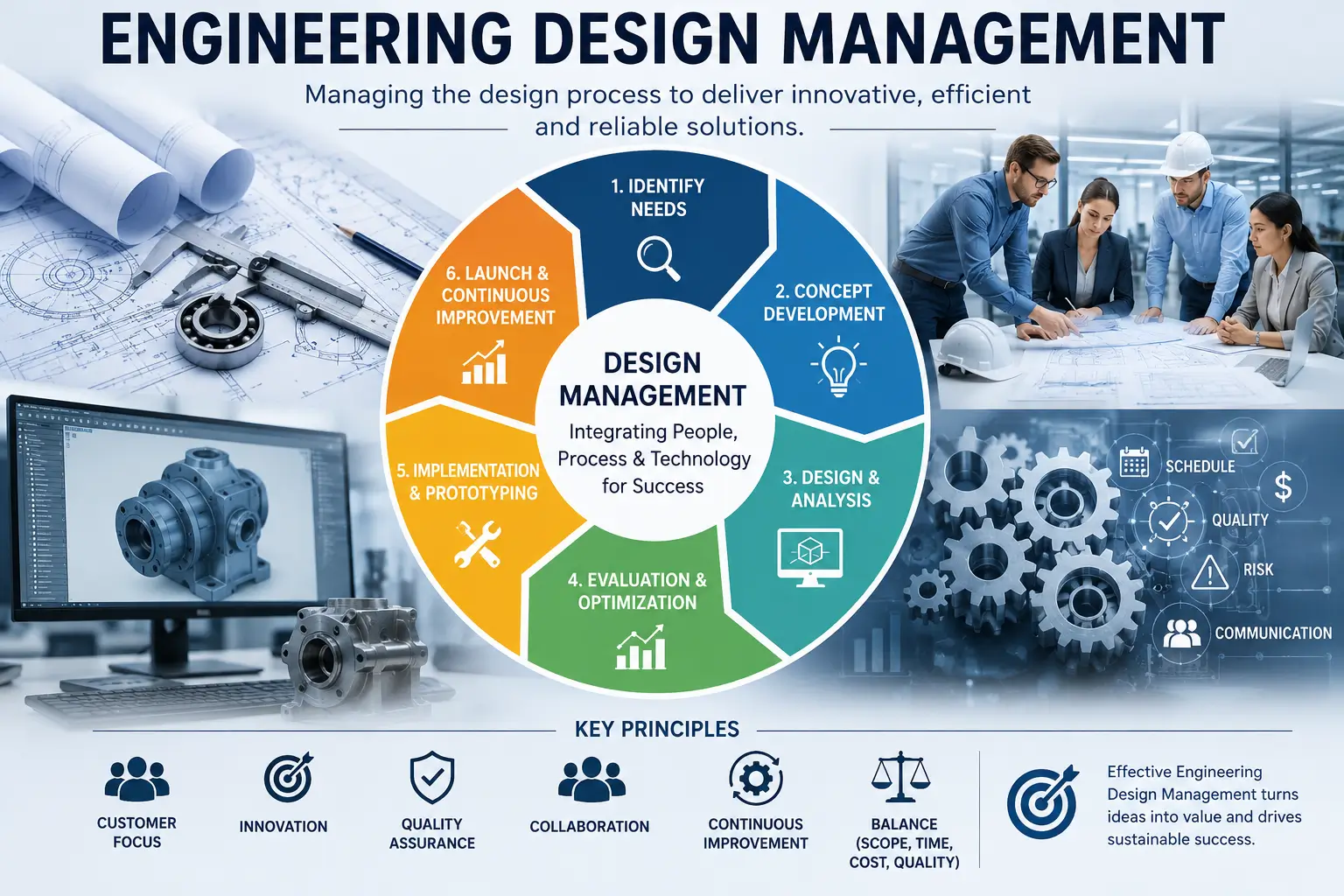
The Engineering Design Management Course is a comprehensive training program designed to equip learners with the knowledge and practical skills required to manage engineering design projects efficiently and successfully. Engineering design is the foundation of every successful engineering project, whether it involves buildings, machines, industrial systems, infrastructure, products, or manufacturing processes. However, technical expertise alone is not enough. Effective planning, coordination, communication, and management are equally important to ensure projects are completed on time, within budget, and according to quality standards.
Today, engineering organizations work on increasingly complex projects that require collaboration between multidisciplinary teams, clients, contractors, suppliers, and regulatory authorities. Therefore, engineering design managers must balance technical requirements with project objectives while managing risks, resources, schedules, and stakeholder expectations.
This course provides learners with a practical understanding of engineering design management by combining engineering principles with project management, quality assurance, design coordination, and leadership practices. Whether you are an engineering student, design engineer, project coordinator, supervisor, technical consultant, or aspiring engineering manager, this course provides valuable knowledge that supports career growth in engineering and project management.
Course Overview
Engineering design management focuses on organizing and controlling every stage of the engineering design process. Instead of working on technical design alone, design managers coordinate people, resources, schedules, budgets, documentation, and quality standards to achieve successful project outcomes.
First, learners explore the importance of engineering design management in modern engineering projects. Next, they understand how effective planning and coordination improve project quality, reduce risks, and increase operational efficiency.
Additionally, the course explains the engineering design lifecycle, project planning, resource allocation, design reviews, quality control, stakeholder communication, and documentation management. Learners also gain practical knowledge of engineering standards, regulatory compliance, sustainability, and digital design technologies.
Furthermore, the curriculum combines theoretical concepts with practical industry applications, helping learners understand how engineering design management contributes to successful engineering projects across various industries.
What You Will Learn
The Engineering Design Management Course covers a wide range of topics related to planning, coordinating, and managing engineering design projects.
First, learners study the engineering design process and understand how engineering ideas develop from initial concepts to final implementation. They explore design requirements, feasibility studies, conceptual design, detailed design, testing, validation, and project delivery.
Next, participants learn about project planning and scheduling. They understand how engineering managers create project timelines, define milestones, allocate resources, estimate costs, and monitor project progress throughout the design lifecycle.
Additionally, the course explains engineering specifications, technical documentation, design standards, codes, and regulatory requirements. Learners discover how compliance with industry standards supports quality, safety, and project success.
Furthermore, participants explore design coordination techniques that improve communication between engineering teams, architects, contractors, suppliers, manufacturers, and project stakeholders. Effective collaboration reduces misunderstandings and improves project efficiency.
The course also introduces design review processes. Learners understand peer reviews, technical evaluations, design verification, design validation, approval procedures, and quality assurance activities that improve engineering outcomes.
Moreover, participants study engineering risk management. They identify design risks, evaluate potential project challenges, develop mitigation strategies, and monitor project risks throughout the engineering process.
In addition, learners gain knowledge of quality management principles used in engineering design. They explore quality planning, quality control, continuous improvement, defect prevention, inspection procedures, and performance measurement.
The curriculum also explains change management techniques that help engineering teams evaluate design modifications, manage revisions, document updates, and minimize project disruptions.
Participants explore budgeting, cost estimation, procurement planning, contract coordination, resource management, and financial monitoring that support efficient project execution.
Additionally, the course introduces digital engineering tools, including Computer-Aided Design (CAD), Building Information Modeling (BIM), Product Lifecycle Management (PLM), engineering collaboration software, and digital documentation systems that improve design productivity.
The course also examines sustainability principles, environmental considerations, energy-efficient design, lifecycle thinking, and responsible engineering practices that contribute to long-term project value.
Finally, learners study leadership, communication, negotiation, conflict resolution, team management, decision-making, and continuous improvement strategies that support successful engineering design leadership.
Skills You Will Gain
Upon successful completion of the course, learners will develop valuable professional skills, including:
- Engineering design management
- Engineering project planning
- Design coordination
- Engineering documentation
- Project scheduling
- Resource management
- Engineering quality assurance
- Design review techniques
- Risk management
- Change management
- Technical communication
- Stakeholder management
- Budget planning
- Leadership and teamwork
- Continuous improvement
These skills are highly valued across engineering firms, construction companies, manufacturing organizations, infrastructure projects, energy companies, consulting firms, and industrial operations.
Benefits of the Course
The Engineering Design Management Course provides learners with practical knowledge and management techniques that improve engineering project delivery.
First, the course helps learners understand how engineering design projects are planned, organized, and controlled from concept to completion.
Additionally, participants strengthen their ability to coordinate multidisciplinary teams, manage project documentation, monitor quality, and communicate with stakeholders.
Furthermore, learners develop practical skills in project scheduling, engineering standards, budgeting, risk management, quality assurance, and digital collaboration tools.
The course also improves leadership, decision-making, analytical thinking, communication, and organizational skills that support engineering management careers.
As engineering projects continue to become more complex, organizations increasingly seek professionals who can successfully manage engineering design activities while maintaining quality, compliance, and efficiency.
Finally, learners gain the confidence to contribute to engineering design projects across multiple industries.
Who Should Enroll?
This course is ideal for:
- Engineering students
- Design engineers
- Mechanical engineers
- Civil engineers
- Electrical engineers
- Industrial engineers
- Project coordinators
- Engineering supervisors
- Technical managers
- Construction professionals
- Manufacturing professionals
- Engineering consultants
- Infrastructure planners
- CAD professionals
- Anyone interested in engineering design management
No prior engineering design management experience is required. Therefore, beginners and experienced engineering professionals can both benefit from this course.
Career Opportunities
After completing the course, learners may pursue opportunities such as:
- Engineering Design Manager
- Design Engineer
- Engineering Project Coordinator
- Technical Project Manager
- Engineering Consultant
- Design Coordinator
- Project Engineer
- Engineering Supervisor
- Product Development Engineer
- Manufacturing Project Engineer
- Infrastructure Design Coordinator
- Quality Assurance Engineer
- Design Review Specialist
- Engineering Planning Officer
- Technical Team Leader
Additionally, learners can apply these skills across construction, manufacturing, infrastructure, automotive, aerospace, energy, utilities, industrial engineering, and consulting organizations.
Certification
Upon successful completion of the Engineering Design Management Course, participants receive a certification recognizing their understanding of engineering design processes, project planning, design coordination, quality assurance, risk management, stakeholder communication, technical documentation, and engineering leadership. This certification enhances professional credibility and supports career advancement in engineering design, project management, manufacturing, construction, and technical leadership.
Why Choose This Course?
The Engineering Design Management Course combines engineering principles with project management and leadership practices to provide a practical and comprehensive learning experience.
First, learners develop a strong understanding of engineering design planning, coordination, quality management, and project delivery.
Additionally, the curriculum focuses on design reviews, technical documentation, budgeting, scheduling, stakeholder communication, engineering standards, and continuous improvement.
Furthermore, participants gain industry-relevant knowledge that supports career growth in engineering, manufacturing, construction, consulting, infrastructure, and industrial management.
Whether your goal is to become a design engineer, engineering manager, project coordinator, technical consultant, or engineering leader, this course provides the knowledge, practical skills, and confidence needed to succeed.
Enroll today and build a strong foundation in engineering design management, project coordination, quality assurance, and engineering leadership.
FAQ Section
1. What is the Engineering Design Management Course?
The course teaches how to plan, coordinate, manage, and deliver engineering design projects while maintaining quality, safety, compliance, and project efficiency.
2. Is this course suitable for beginners?
Yes. The course is suitable for beginners as well as engineering professionals who want to strengthen their design management skills.
3. What topics are covered?
Topics include engineering design processes, project planning, design reviews, quality assurance, risk management, stakeholder communication, budgeting, scheduling, and digital engineering tools.
4. Will I receive a certificate?
Yes. Participants receive a certificate after successfully completing the course.
5. Do I need prior engineering management experience?
No. The course introduces engineering design management concepts in a practical and beginner-friendly format.
6. Who should enroll in this course?
Engineering students, design engineers, project coordinators, supervisors, consultants, technical managers, and construction professionals can benefit from this course.
7. Is the course fully online?
Yes. The course offers flexible online learning that allows participants to learn at their own pace.
8. What skills will I gain?
You will gain skills in engineering design management, project planning, design coordination, quality assurance, risk management, budgeting, stakeholder communication, leadership, and technical documentation.
9. Can this course help my career?
Yes. Engineering design management skills are highly valued across engineering firms, construction companies, manufacturing industries, infrastructure projects, and consulting organizations.
10. Why is engineering design management important?
Engineering design management helps organizations deliver high-quality engineering projects by improving planning, communication, resource management, quality control, risk management, and overall project performance.





Reviews
There are no reviews yet.