
Introduction
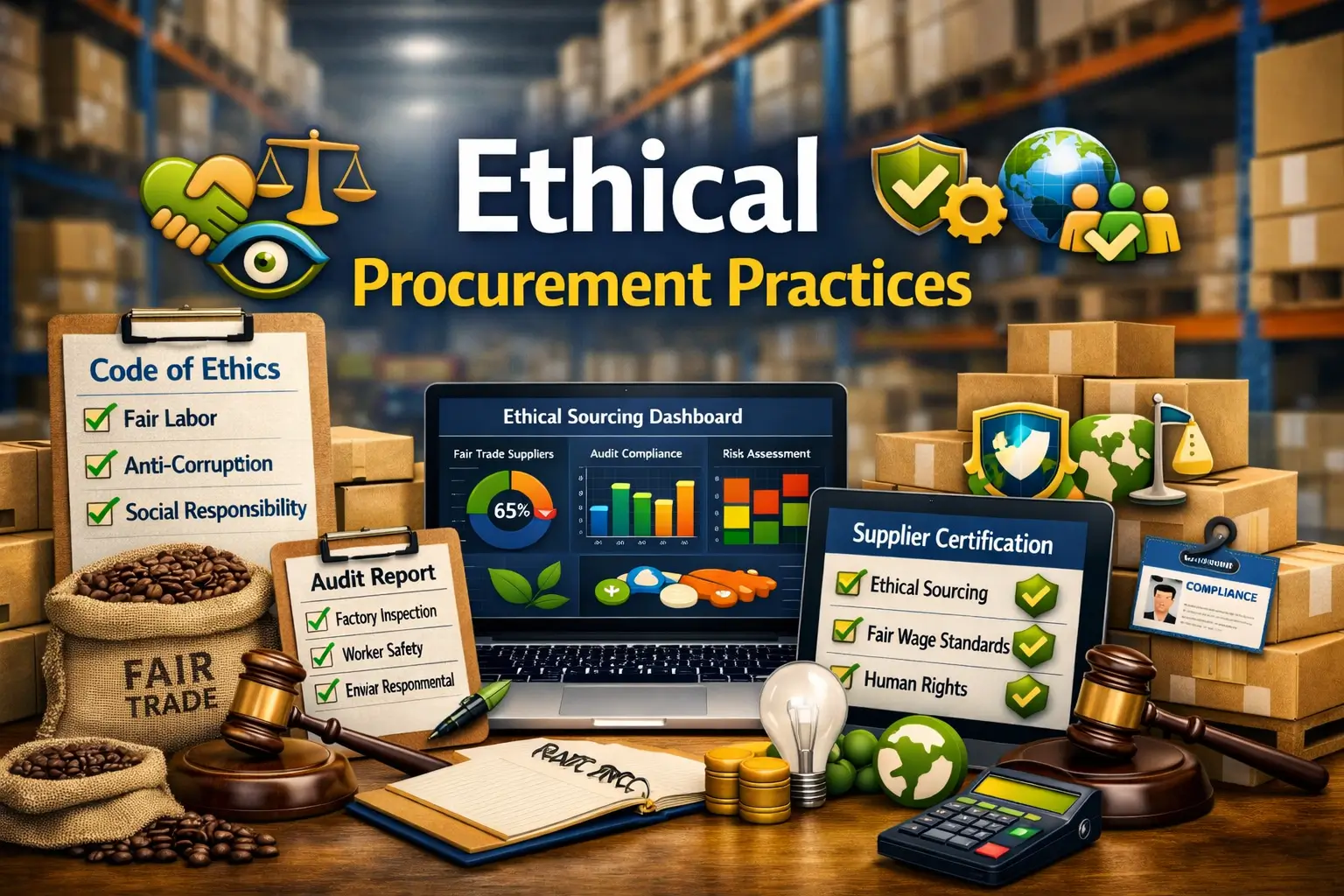
Procurement plays an important role in organizational success by ensuring the right products and services are acquired at the right time and value. However, modern businesses must also focus on transparency, fairness, sustainability, and ethical decision-making. The Ethical Procurement Practices Course introduces learners to the principles and strategies required for responsible procurement management.
Ethical procurement focuses on maintaining integrity, preventing unfair practices, ensuring supplier responsibility, and supporting sustainable business operations. Therefore, professionals with knowledge of ethical procurement practices help organizations build trustworthy supply chains and improve long-term business performance.
Moreover, this course explains how organizations develop ethical procurement policies, evaluate suppliers, manage risks, and ensure compliance with business standards. Learners explore procurement ethics, supplier relationships, responsible sourcing, sustainability, contract management, and procurement governance.
In addition, participants develop practical skills in supplier assessment, ethical decision-making, procurement planning, risk identification, and sustainable purchasing strategies. These competencies prepare learners for careers in procurement departments, supply chain organizations, manufacturing companies, retail businesses, government procurement sectors, and corporate management.
By completing this course, learners establish a strong foundation in ethical procurement practices while contributing to transparent, responsible, and sustainable business operations.
Course Overview
The Ethical Procurement Practices Course provides comprehensive training in responsible procurement methods, supplier management, procurement ethics, compliance, and sustainable sourcing approaches. Furthermore, the course explains how ethical procurement supports business growth and responsible supply chain management.
Fundamentals of Ethical Procurement
The course begins by introducing the basic concepts of ethical procurement and its importance in modern business operations. Learners understand procurement principles, ethical responsibilities, transparency, and professional standards.
Procurement Ethics and Integrity
Learners explore ethical decision-making, conflict prevention, fair purchasing practices, anti-corruption principles, and maintaining integrity throughout procurement processes.
Responsible Supplier Management
The course explains supplier selection, supplier evaluation, relationship management, performance monitoring, and ethical supplier partnerships.
Sustainable Procurement Practices
Participants learn about environmentally responsible purchasing, sustainable sourcing methods, social responsibility, and reducing environmental impact through procurement decisions.
Procurement Compliance and Standards
Learners understand procurement policies, legal requirements, organizational guidelines, documentation practices, and compliance management.
Risk Management in Procurement
The course introduces procurement risks, supplier risks, supply chain challenges, risk assessment methods, and strategies for reducing procurement-related issues.
Ethical Sourcing Strategies
Learners explore responsible sourcing methods, fair labor practices, supplier accountability, and approaches for creating ethical supply networks.
Contract Management and Transparency
Participants study procurement agreements, contract ethics, supplier obligations, transparency practices, and effective contract management approaches.
Technology in Ethical Procurement
The course explains digital procurement systems, automation tools, data management, and technologies supporting transparent procurement operations.
Future Trends in Procurement Ethics
Finally, learners explore emerging trends such as sustainable supply chains, green procurement, responsible business practices, and future developments in procurement management.
Overall, this course combines procurement knowledge with ethical business principles, enabling learners to understand every aspect of ethical procurement practices while preparing them for careers in supply chain management, purchasing, operations, and business administration.
What You Will Learn
The Ethical Procurement Practices Course equips learners with practical knowledge and skills required to manage procurement activities responsibly and support ethical supply chain operations.
Understanding Procurement Ethics
First, learners understand ethical procurement principles, professional responsibilities, transparency requirements, and responsible purchasing practices.
Developing Supplier Management Skills
Participants learn how to evaluate suppliers, maintain relationships, monitor performance, and encourage ethical supplier behavior.
Learning Sustainable Procurement Methods
Learners explore sustainable sourcing, environmental responsibility, social compliance, and responsible purchasing strategies.
Understanding Procurement Compliance
The course teaches learners about procurement policies, regulations, documentation, and compliance requirements.
Managing Procurement Risks
Participants gain knowledge of identifying supplier risks, evaluating challenges, and developing risk management strategies.
Improving Decision-Making Skills
Learners develop the ability to make fair, transparent, and responsible procurement decisions.
Understanding Supply Chain Responsibility
The course explains how ethical procurement contributes to responsible supply chains and organizational sustainability.
Using Modern Procurement Tools
Participants learn about digital procurement systems, technology solutions, and data-driven procurement approaches.
Skills You Will Gain
After completing the Ethical Procurement Practices Course, learners will develop valuable procurement, management, and ethical decision-making skills.
Ethical Decision-Making Skills
Develop the ability to make responsible procurement decisions based on fairness, transparency, and organizational values.
Supplier Management Skills
Learn how to evaluate, communicate with, and manage suppliers effectively.
Sustainable Procurement Skills
Understand responsible sourcing methods and environmentally conscious purchasing practices.
Risk Management Skills
Develop the ability to identify procurement risks and implement preventive strategies.
Compliance Management Skills
Gain knowledge of procurement policies, standards, and regulatory requirements.
Negotiation Skills
Improve communication and negotiation abilities for effective supplier relationships.
Analytical Skills
Learn to evaluate supplier performance, procurement data, and purchasing decisions.
Leadership Skills
Build confidence to manage ethical procurement initiatives and support responsible business practices.
Benefits of the Course
The Ethical Procurement Practices Course provides learners with essential knowledge and practical skills required to manage procurement activities responsibly, improve supplier relationships, and support sustainable business operations. Moreover, the course combines procurement management, business ethics, and sustainability concepts to prepare learners for modern supply chain challenges.
Develop Ethical Procurement Knowledge
First, learners gain a strong understanding of ethical procurement principles, responsible sourcing methods, procurement standards, and professional practices. As a result, they develop the ability to make fair and transparent purchasing decisions.
Improve Supplier Management Skills
Strong supplier relationships are important for successful procurement. Therefore, this course helps learners understand supplier evaluation, performance monitoring, communication strategies, and ethical supplier management.
Learn Sustainable Procurement Practices
Organizations are increasingly focusing on sustainability. Consequently, learners explore environmentally responsible purchasing, social responsibility, sustainable sourcing, and ethical supply chain practices.
Understand Procurement Compliance
Ethical procurement requires proper compliance with policies and standards. Furthermore, learners gain knowledge of procurement regulations, documentation, governance, and organizational procedures.
Strengthen Risk Management Skills
Procurement involves various operational and supplier-related risks. Accordingly, learners develop skills in identifying risks, evaluating challenges, and implementing preventive strategies.
Improve Decision-Making Abilities
Effective procurement decisions require analysis and responsibility. Therefore, learners develop the ability to evaluate options, manage resources, and select suppliers based on ethical principles.
Enhance Supply Chain Responsibility
Ethical procurement supports responsible supply chains. Moreover, learners understand how procurement decisions influence sustainability, business reputation, and organizational performance.
Develop Professional Procurement Skills
The course improves knowledge of purchasing processes, contract management, negotiation, supplier coordination, and procurement planning.
Expand Career Opportunities
The demand for professionals with ethical procurement and supply chain knowledge is increasing. As a result, completing this course improves career opportunities in procurement, operations, supply chain management, and business sectors.
Prepare for Advanced Learning
The course provides a strong foundation for advanced studies in supply chain management, procurement management, business ethics, operations management, and sustainable business practices.
Support Responsible Business Growth
Ethical procurement helps organizations create transparent, sustainable, and reliable supply networks. Ultimately, this course prepares learners to contribute to responsible business operations and long-term organizational success.
Who Should Enroll
The Ethical Procurement Practices Course is designed for individuals who want to develop expertise in responsible purchasing, supplier management, and sustainable procurement strategies.
Procurement Professionals
Purchasing officers and procurement specialists can improve their understanding of ethical sourcing, compliance, supplier evaluation, and responsible procurement methods.
Supply Chain Professionals
Supply chain managers and logistics professionals can gain valuable knowledge about ethical supply chain practices and supplier responsibility.
Business Managers
Business owners and managers can learn how ethical procurement supports cost efficiency, transparency, sustainability, and organizational reputation.
Students and Graduates
Students pursuing supply chain management, business administration, operations, or management studies can develop valuable procurement skills.
Operations Professionals
Operations managers can understand how procurement decisions impact production, supply networks, and business performance.
Government Procurement Professionals
Professionals involved in public purchasing can improve their knowledge of transparency, accountability, and ethical procurement standards.
Sustainability Professionals
Individuals working in sustainability and corporate responsibility fields can learn how procurement supports environmental and social goals.
Anyone Interested in Procurement
Anyone interested in purchasing, supply chain operations, responsible business practices, and ethical management can enroll in this course.
Career Opportunities
The increasing importance of transparency, sustainability, and responsible sourcing has created excellent career opportunities for professionals with knowledge of ethical procurement practices. Therefore, completing the Ethical Procurement Practices Course can help learners build rewarding careers across procurement, supply chain, operations, and business management sectors.
Potential career roles include:
- Procurement Specialist
- Ethical Procurement Officer
- Purchasing Manager
- Supply Chain Coordinator
- Supplier Relationship Manager
- Procurement Analyst
- Strategic Sourcing Specialist
- Supply Chain Manager
- Procurement Compliance Officer
- Contract Management Specialist
- Sustainable Procurement Specialist
- Vendor Management Specialist
- Operations Manager
- Supply Chain Consultant
- Procurement Coordinator
Graduates may find employment opportunities in:
- Manufacturing companies
- Retail organizations
- Logistics and supply chain firms
- Government procurement departments
- Corporate organizations
- Healthcare organizations
- E-commerce companies
- Consulting firms
- International businesses
- Sustainable supply chain organizations
Furthermore, this course provides a strong foundation for advanced education and specialization in procurement management, supply chain management, operations, business ethics, and sustainable business practices.
Certification
Upon successfully completing the Ethical Procurement Practices Course, learners will receive a Course Completion Certificate that recognizes their knowledge of ethical sourcing, procurement management, supplier relationships, sustainability practices, and responsible purchasing strategies.
Moreover, the certificate demonstrates your commitment to professional development and continuous learning in procurement and supply chain management. It can strengthen your resume, improve your professional profile, and increase employment opportunities with procurement departments, supply chain organizations, manufacturing companies, and corporate businesses.
Additionally, the certification validates your understanding of procurement ethics, supplier evaluation, compliance practices, risk management, and sustainable procurement approaches. Consequently, it supports career advancement while preparing learners for procurement, purchasing, supply chain, and operations management roles.
Conclusion
Ethical procurement practices play an important role in creating transparent, sustainable, and responsible business operations. Therefore, professionals with knowledge of ethical sourcing, supplier management, and procurement compliance are essential for building strong and reliable supply chains.
The Ethical Procurement Practices Course provides comprehensive knowledge of procurement ethics, responsible sourcing, supplier management, sustainability, compliance, and risk management strategies. Moreover, learners develop practical skills that enable them to support fair purchasing decisions and improve organizational performance.
Throughout the course, participants strengthen their analytical thinking, negotiation abilities, communication skills, and procurement management knowledge while exploring modern supply chain practices. In addition, they gain valuable insights into supplier responsibility, contract management, and sustainable business strategies.
Whether your goal is to work in procurement, manage supply chains, improve purchasing processes, or build a career in responsible business management, this course provides the knowledge and confidence needed for long-term success. Ultimately, it prepares learners to contribute to ethical business practices, sustainable supply networks, and organizational growth.
FAQ SECTION
1. What is the Ethical Procurement Practices Course?
The Ethical Procurement Practices Course provides training in responsible sourcing, procurement ethics, supplier management, compliance, and sustainable purchasing strategies.
2. Who should enroll in this course?
This course is ideal for procurement professionals, supply chain managers, business owners, students, operations professionals, and individuals interested in ethical business practices.
3. Do I need prior procurement experience?
No. The course is suitable for beginners as well as professionals who want to improve their knowledge of ethical procurement methods.
4. What topics are covered in this course?
The course covers procurement ethics, supplier management, sustainable sourcing, compliance, risk management, contract practices, and responsible purchasing.
5. What skills will I gain after completing this course?
You will develop skills in ethical decision-making, supplier evaluation, procurement planning, risk management, compliance, and sustainable sourcing.
6. Why are ethical procurement practices important?
Ethical procurement practices help organizations maintain transparency, reduce risks, improve supplier relationships, support sustainability, and build trust.
7. What career opportunities are available after completing this course?
Graduates can pursue careers as Procurement Specialists, Purchasing Managers, Supply Chain Coordinators, Supplier Relationship Managers, Procurement Analysts, and Sustainable Procurement Specialists.
8. Will I receive a certificate after completing this course?
Yes. Learners who successfully complete the course will receive a Course Completion Certificate that validates their knowledge and skills in ethical procurement practices.
9. How does ethical procurement support businesses?
Ethical procurement improves supply chain reliability, reduces operational risks, supports sustainability, and strengthens organizational reputation.
10. How can this course benefit my career?
This course improves your procurement knowledge, strengthens your professional profile, expands career opportunities, and prepares you for roles in procurement, supply chain management, and responsible business operations.


Reviews
There are no reviews yet.