
Introduction
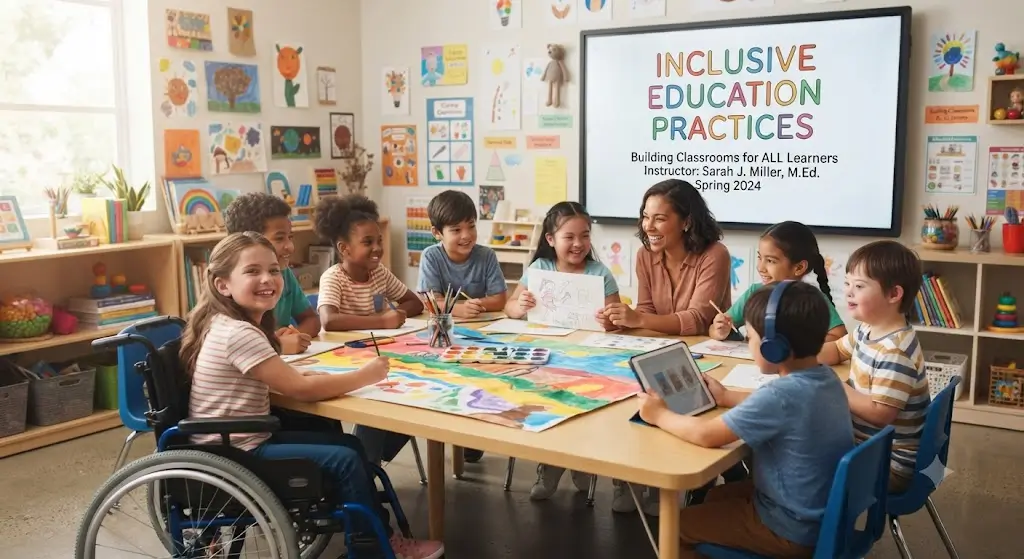
The Inclusive Education Practices Course is a comprehensive training program designed to provide learners with the knowledge and practical skills needed to create learning environments that value diversity, promote equity, and support the success of every student. Inclusive education is based on the principle that all learners should have equal access to quality education regardless of their backgrounds, learning preferences, abilities, or individual educational needs.
Modern classrooms often include students with different cultural backgrounds, languages, learning styles, abilities, and academic experiences. Effective educators use inclusive teaching strategies that remove barriers to learning, encourage participation, and provide flexible instructional approaches that enable every learner to reach their full potential.
This course combines educational theory with practical classroom applications to help educators build inclusive learning environments that encourage collaboration, respect, engagement, and academic achievement.
Whether you are a teacher, educator, school administrator, education student, instructional designer, trainer, academic coordinator, tutor, learning support professional, or working professional in education, this course provides practical knowledge applicable across schools, colleges, universities, training organizations, and online learning environments.
Why Inclusive Education Practices are Important
Inclusive education helps ensure that every learner receives equal opportunities to participate, learn, and succeed.
Key benefits include:
- Promotes equal learning opportunities
- Supports student diversity
- Encourages classroom participation
- Improves student engagement
- Builds inclusive learning environments
- Strengthens collaboration
- Reduces barriers to learning
- Encourages respect and empathy
- Supports academic achievement
- Improves teaching effectiveness
For example, inclusive teaching practices help educators adapt lessons for different learning needs, encourage collaborative activities, provide accessible resources, and create supportive classroom environments where all students feel valued.
Course Overview
This course provides a structured understanding of inclusive education principles and classroom practices.
Learners will explore:
- Introduction to inclusive education
- Principles of inclusion
- Diversity in education
- Differentiated instruction
- Accessible learning strategies
- Classroom management
- Student engagement techniques
- Collaborative learning
- Individualized learning support
- Assessment adaptations
- Educational policies and inclusion
- Communication with families and communities
- Ethical teaching practices
- Inclusive classroom planning
- Best practices in inclusive education
What You Will Learn
By the end of this course, learners will be able to:
- Understand inclusive education principles
- Create inclusive learning environments
- Apply differentiated teaching strategies
- Support diverse learners
- Improve classroom participation
- Develop accessible lesson plans
- Adapt assessments for diverse needs
- Strengthen classroom management
- Promote equity and inclusion
- Enhance student learning outcomes
Key Components of Inclusive Education Practices
1. Inclusive Teaching Strategies
Learn how to design learner-centered lessons, differentiate instruction, use flexible teaching methods, promote active participation, and accommodate diverse learning needs.
2. Classroom Diversity and Student Support
Understand cultural diversity, learning differences, equitable education, individualized support, collaborative learning, student engagement, and positive classroom relationships.
3. Assessment and Learning Adaptations
Explore inclusive assessment methods, flexible evaluation techniques, constructive feedback, learning accommodations, progress monitoring, and fair assessment practices.
4. Communication and Collaboration
Learn effective communication with students, families, colleagues, and educational stakeholders while building partnerships that support student success and inclusion.
5. Practical Applications
Understand how inclusive education practices support schools, colleges, universities, vocational education, online learning, teacher training, curriculum development, community education, nonprofit organizations, and lifelong learning programs.
Skills You Will Gain
After completing this course, learners will develop valuable professional skills, including:
- Inclusive teaching
- Differentiated instruction
- Classroom management
- Student engagement
- Lesson planning
- Assessment adaptation
- Communication skills
- Collaboration
- Empathy
- Cultural awareness
- Educational planning
- Problem-solving
- Leadership
- Inclusive learning design
- Professional ethics
Benefits of This Course
Completing this course offers several professional advantages, including:
- Strong understanding of inclusive education principles
- Better classroom management and teaching strategies
- Improved communication and collaboration skills
- Practical understanding of differentiated instruction
- Better assessment and learning support techniques
- Enhanced student engagement and participation
- Increased employability across schools, colleges, universities, educational institutions, online learning platforms, teacher training organizations, nonprofit education programs, government education departments, corporate learning environments, and academic support services
- Competitive advantage in teaching, curriculum development, instructional design, educational leadership, and student support roles
- Strong foundation for advanced studies in education, inclusive pedagogy, curriculum design, educational psychology, special education, and instructional leadership
Who Should Enroll?
This course is suitable for:
- Teachers
- Educators
- School Administrators
- Education Students
- Instructional Designers
- Trainers
- Academic Coordinators
- Learning Support Professionals
- Tutors
- Anyone interested in inclusive education
No previous teaching or inclusion experience is required, making this course suitable for beginners as well as experienced education professionals.
Career Opportunities
After completing this course, learners can strengthen their professional capabilities in roles such as:
- Teacher
- Inclusive Education Coordinator
- Learning Support Specialist
- Curriculum Developer
- Instructional Designer
- Academic Coordinator
- Educational Trainer
- School Administrator
- Education Consultant
- Student Support Officer
- Learning and Development Specialist
Certification
Upon successful completion of the Inclusive Education Practices Course, learners receive a professional certificate recognizing their knowledge of inclusive education, differentiated instruction, classroom diversity, accessible teaching methods, assessment adaptations, student engagement, collaborative learning, classroom management, educational ethics, and equitable learning practices. This certification enhances career opportunities across schools, colleges, universities, educational institutions, teacher training organizations, online learning platforms, nonprofit education organizations, government education departments, corporate learning environments, and educational consulting firms.
Conclusion
The Inclusive Education Practices Course provides learners with practical knowledge and professional skills to create equitable, engaging, and supportive learning environments for students with diverse backgrounds and learning needs. By mastering inclusive teaching strategies, differentiated instruction, classroom management, accessible assessment, communication, collaboration, and educational planning, learners will be well prepared to promote student success and educational equity.
Whether your goal is to build a career in teaching, educational leadership, curriculum development, instructional design, teacher training, academic administration, student support, or educational consulting, this course provides a strong foundation for long-term professional growth.
FAQ
1. What is the Inclusive Education Practices Course?
It is a course that teaches how to create inclusive learning environments using equitable teaching strategies, differentiated instruction, and learner-centered classroom practices.
2. Who should enroll in this course?
Teachers, educators, school administrators, education students, instructional designers, trainers, academic coordinators, learning support professionals, tutors, and anyone interested in inclusive education.
3. Do I need prior teaching experience?
No. The course is beginner-friendly and suitable for learners with no previous background in teaching or inclusive education.
4. What topics are covered in this course?
The course covers inclusive education principles, differentiated instruction, classroom diversity, student engagement, assessment adaptations, collaborative learning, classroom management, educational policies, and ethical teaching practices.
5. Will I learn how to support diverse learners?
Yes. The course explains how to adapt teaching methods, create accessible lesson plans, provide individualized support, and promote participation for learners with diverse educational needs.
6. Does this course include inclusive assessment and classroom management?
Yes. You will learn assessment adaptations, fair evaluation methods, classroom management strategies, feedback techniques, and approaches to building inclusive classroom cultures.
7. Will I receive a certificate after completing the course?
Yes. A professional course completion certificate is awarded upon successful completion.
8. Why are inclusive education practices important?
Inclusive education practices ensure equal learning opportunities, reduce barriers to education, improve student engagement, promote diversity and respect, and help every learner achieve their full potential.
9. How do inclusive education practices benefit educational institutions?
They improve student participation, strengthen teaching effectiveness, support equitable education, encourage collaboration, enhance academic outcomes, and create positive and respectful learning environments.
10. What career opportunities are available after this course?
This course strengthens your professional skills for roles such as Teacher, Inclusive Education Coordinator, Learning Support Specialist, Curriculum Developer, Instructional Designer, Academic Coordinator, Educational Trainer, School Administrator, Education Consultant, Student Support Officer, and Learning and Development Specialist.




Reviews
There are no reviews yet.