
Introduction
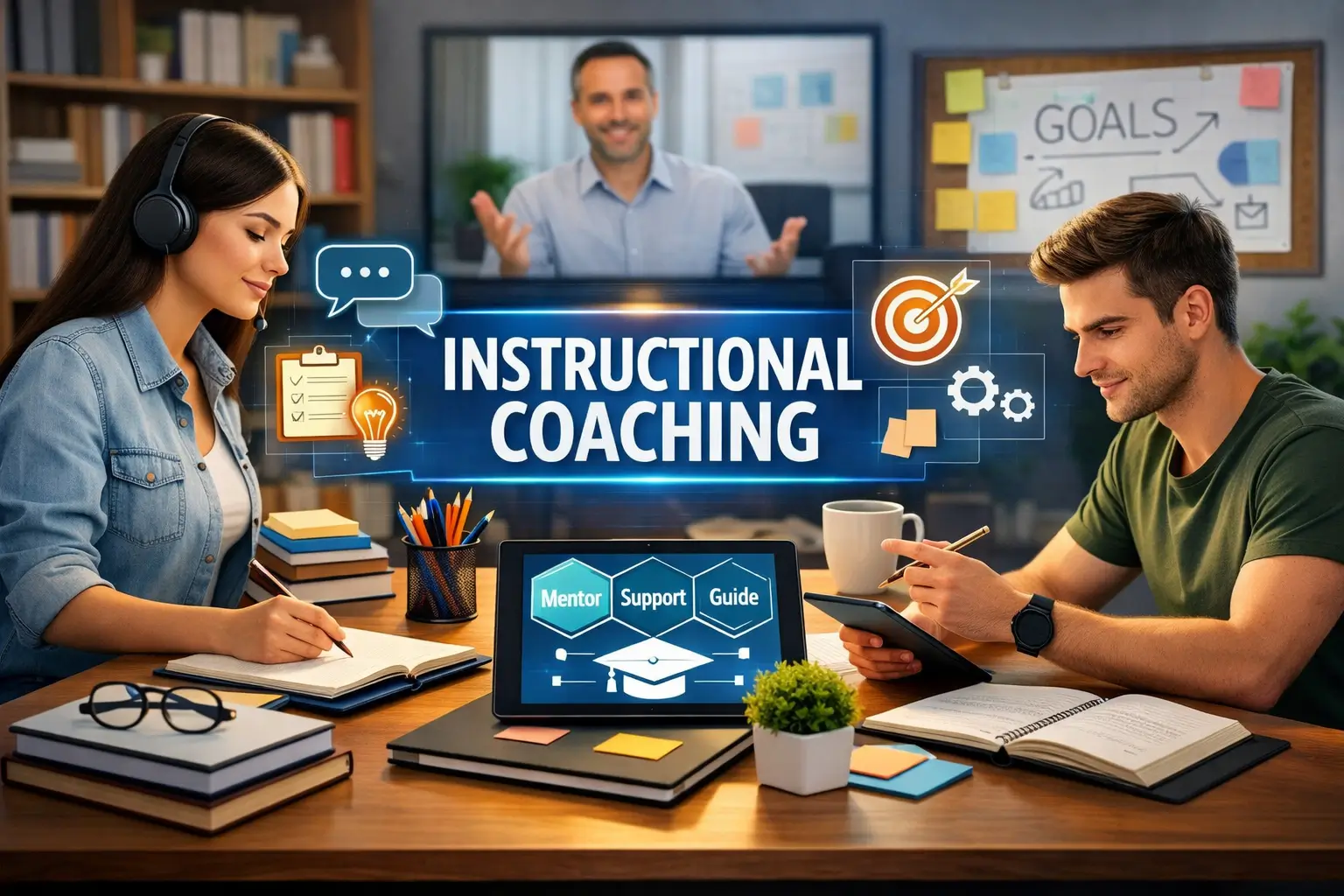
The Instructional Coaching Course is a comprehensive training program designed to help learners develop the knowledge and practical skills required to guide, support, and empower educators through effective coaching practices. In today’s evolving educational landscape, schools and training institutions continually seek ways to improve teaching quality, strengthen professional development, and enhance student achievement. Therefore, instructional coaching has become one of the most effective strategies for promoting continuous improvement in education.
Instructional coaching is a collaborative process in which experienced educators work alongside teachers to improve instructional practices, build confidence, encourage reflection, and achieve professional goals. Unlike traditional evaluation methods, instructional coaching focuses on partnership, trust, professional learning, and shared responsibility for improving classroom instruction.
This course provides learners with a practical understanding of instructional coaching by combining coaching models, adult learning principles, communication strategies, classroom observation techniques, mentoring practices, instructional planning, leadership, and continuous improvement. Whether you are a teacher, mentor, academic coordinator, instructional coach, school administrator, education consultant, or someone interested in educational leadership, this course provides valuable knowledge that supports professional growth and teaching excellence.
Course Overview
Instructional coaching focuses on helping educators strengthen their teaching practices through collaboration, reflection, constructive feedback, and ongoing professional learning. Instead of simply identifying instructional challenges, coaching encourages teachers to discover solutions, implement new strategies, and continuously improve their classroom performance.
First, learners explore the importance of instructional coaching in supporting teacher development and student achievement. Next, they understand how coaching relationships improve communication, professional confidence, instructional quality, and collaborative learning cultures.
Additionally, the course explains coaching models, adult learning theory, classroom observation, lesson planning, instructional feedback, mentoring, and performance improvement strategies. Learners also gain practical knowledge of reflective practice, instructional leadership, educational technology, professional learning communities, and data-informed coaching.
Furthermore, the curriculum combines educational theory with practical coaching techniques, helping learners effectively support educators in various teaching environments.
What You Will Learn
The Instructional Coaching Course covers a broad range of topics related to coaching educators and improving instructional effectiveness.
First, learners study the fundamentals of instructional coaching and understand how coaching differs from supervision, evaluation, and traditional teacher assessment. They also explore the principles of collaboration, trust, confidentiality, and professional partnership.
Next, participants learn about adult learning principles and understand how educators learn, develop new skills, adapt instructional practices, and engage in lifelong professional growth.
Additionally, the course introduces different instructional coaching models. Learners discover coaching cycles, goal-setting strategies, collaborative planning, implementation support, reflection sessions, and continuous improvement processes.
Furthermore, participants study classroom observation techniques. They learn how to collect objective evidence, observe instructional practices, identify strengths, recognize improvement opportunities, and provide meaningful feedback without judgment.
The course also explains effective coaching conversations. Learners explore active listening, questioning techniques, constructive feedback, communication skills, emotional intelligence, and relationship-building strategies that strengthen coaching partnerships.
Moreover, participants gain knowledge of lesson planning and instructional improvement. They understand how coaches support teachers in designing engaging lessons, selecting teaching strategies, differentiating instruction, and improving classroom management.
In addition, the curriculum covers data-informed coaching practices. Learners study student assessment data, classroom performance indicators, learning analytics, and evidence-based decision-making that guide instructional improvement.
Participants also explore mentoring and professional development planning. They learn how to create personalized learning goals, monitor progress, encourage reflective practice, and support continuous professional growth.
Additionally, the course explains educational technology integration, digital coaching tools, virtual collaboration platforms, online professional learning communities, and technology-enhanced instructional improvement strategies.
The curriculum also covers leadership development, team collaboration, conflict resolution, change management, coaching ethics, cultural responsiveness, and inclusive education practices that strengthen instructional leadership.
Furthermore, learners study professional learning communities (PLCs), collaborative inquiry, peer coaching, action research, innovation in teaching, and continuous school improvement initiatives.
Finally, participants explore documentation, coaching plans, progress monitoring, evaluation methods, reporting practices, and long-term coaching strategies that ensure sustainable instructional improvement.
Skills You Will Gain
Upon successful completion of the course, learners will develop valuable professional skills, including:
- Instructional coaching
- Teacher mentoring
- Classroom observation
- Coaching conversations
- Active listening
- Constructive feedback
- Adult learning facilitation
- Lesson planning support
- Professional development planning
- Reflective practice
- Data-informed decision-making
- Instructional leadership
- Team collaboration
- Communication skills
- Continuous improvement
These skills are highly valued across schools, colleges, universities, teacher training institutes, educational organizations, online learning platforms, and professional development programs.
Benefits of the Course
The Instructional Coaching Course provides learners with practical knowledge and coaching techniques that improve teaching quality and educator development.
First, the course helps learners understand how collaborative coaching supports teacher growth, instructional excellence, and student achievement.
Additionally, participants strengthen their ability to guide educators through goal setting, classroom observation, lesson planning, and reflective practice.
Furthermore, learners develop practical skills in communication, mentoring, instructional leadership, educational technology integration, data analysis, and professional learning.
The course also enhances leadership, interpersonal communication, collaboration, problem-solving, emotional intelligence, and decision-making skills that support education careers.
As educational institutions continue investing in teacher development and instructional excellence, professionals with instructional coaching expertise remain in strong demand.
Finally, learners gain the confidence to support educators while contributing to positive learning environments and continuous school improvement.
Who Should Enroll?
This course is ideal for:
- Teachers
- Instructional coaches
- School principals
- Academic coordinators
- Department heads
- Teacher mentors
- Curriculum specialists
- Teacher trainers
- Education consultants
- Learning and development professionals
- School administrators
- University educators
- Education students
- Professional development coordinators
- Anyone interested in instructional coaching
No prior coaching experience is required. Therefore, beginners and experienced education professionals can both benefit from this course.
Career Opportunities
After completing the course, learners may pursue opportunities such as:
- Instructional Coach
- Teacher Mentor
- Academic Coach
- Professional Development Coordinator
- Curriculum Specialist
- School Improvement Coordinator
- Educational Consultant
- Teacher Trainer
- Learning and Development Specialist
- Academic Coordinator
- School Administrator
- Education Program Manager
- Instructional Leader
- Faculty Development Officer
- Education Advisor
Additionally, learners can apply these skills across schools, colleges, universities, teacher training institutes, education technology companies, nonprofit organizations, and corporate learning environments.
Certification
Upon successful completion of the Instructional Coaching Course, participants receive a certification recognizing their understanding of instructional coaching, classroom observation, teacher mentoring, professional development, coaching conversations, instructional leadership, and continuous improvement. This certification strengthens professional credibility and supports career advancement in education, teacher development, instructional leadership, and academic management.
Why Choose This Course?
The Instructional Coaching Course combines educational leadership principles with practical coaching techniques to provide a comprehensive learning experience.
First, learners develop a strong understanding of instructional coaching, teacher mentoring, classroom observation, and professional development.
Additionally, the curriculum focuses on coaching conversations, instructional planning, reflective practice, educational technology, leadership development, collaboration, and continuous improvement.
Furthermore, participants gain industry-relevant knowledge that supports career development in education, instructional leadership, teacher training, curriculum development, academic coordination, and school improvement.
Whether your goal is to become an instructional coach, teacher mentor, academic leader, education consultant, curriculum specialist, or professional development coordinator, this course provides the knowledge, practical skills, and confidence needed to succeed.
Enroll today and build a strong foundation in instructional coaching, teacher development, educational leadership, and continuous professional learning.
FAQ Section
1. What is the Instructional Coaching Course?
The course teaches how to coach, mentor, and support educators in improving instructional practices, professional growth, and student learning outcomes.
2. Is this course suitable for beginners?
Yes. The course is designed for beginners as well as education professionals who want to strengthen their coaching and leadership skills.
3. What topics are covered?
Topics include coaching models, classroom observation, mentoring, instructional planning, coaching conversations, professional development, educational technology, leadership, and reflective practice.
4. Will I receive a certificate?
Yes. Participants receive a certificate upon successfully completing the course.
5. Do I need prior coaching experience?
No. The course introduces instructional coaching concepts in a simple and beginner-friendly format.
6. Who should enroll in this course?
Teachers, instructional coaches, school leaders, mentors, academic coordinators, curriculum specialists, teacher trainers, and education professionals can benefit from this course.
7. Is the course fully online?
Yes. The course offers flexible online learning, allowing participants to learn at their own pace.
8. What skills will I gain?
You will gain skills in instructional coaching, teacher mentoring, classroom observation, communication, lesson planning, leadership, professional development, and reflective practice.
9. Can this course help my career?
Yes. Instructional coaching skills are highly valued in schools, colleges, universities, teacher training organizations, educational institutions, and learning and development departments.
10. Why is instructional coaching important?
Instructional coaching helps educators improve teaching practices, strengthen collaboration, enhance professional learning, increase student engagement, and support continuous improvement across educational institutions.




Reviews
There are no reviews yet.