
Introduction
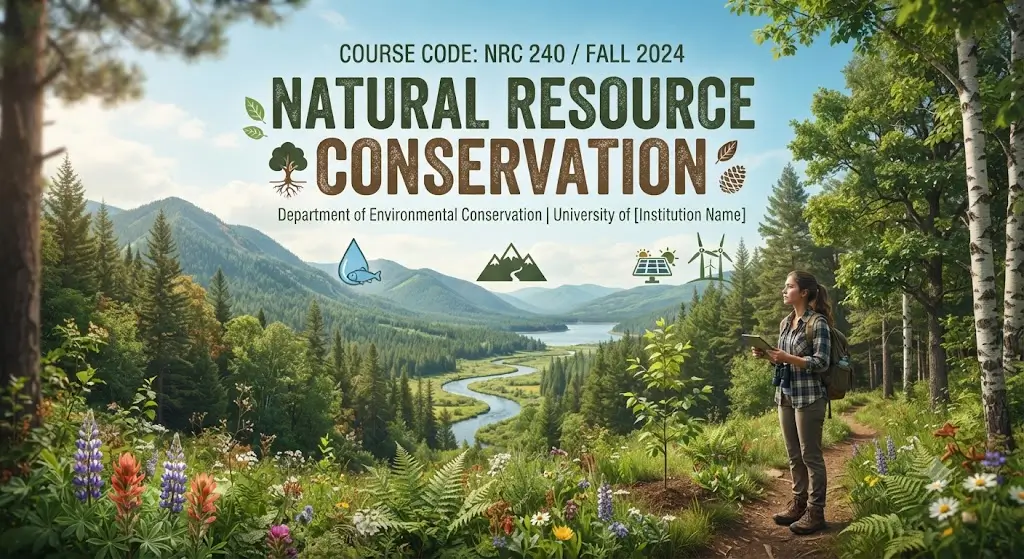
The Natural Resource Conservation Course is a comprehensive training program designed to help learners understand the principles, strategies, and practical methods used to protect, manage, and conserve natural resources for present and future generations. Natural resources such as forests, water, soil, minerals, wildlife, and clean air form the foundation of life, economic development, and environmental stability. Therefore, conserving these valuable resources has become one of the most important global priorities.
Rapid industrialization, population growth, urban expansion, pollution, and climate change have placed significant pressure on natural ecosystems. Consequently, governments, businesses, environmental organizations, and communities are investing in conservation initiatives that promote sustainable resource management while protecting biodiversity and ecological balance.
This course introduces learners to the core concepts of natural resource conservation, environmental sustainability, ecosystem management, biodiversity preservation, and responsible resource utilization. Moreover, participants gain practical knowledge of conservation planning, environmental legislation, climate adaptation strategies, pollution control measures, and sustainable development practices that contribute to long-term environmental protection.
Natural resource conservation requires balancing environmental preservation with economic development and social well-being. Therefore, learners explore methods for evaluating environmental challenges, developing conservation strategies, reducing environmental degradation, and supporting responsible decision-making.
Additionally, the course examines global environmental issues, renewable and non-renewable resource management, forest conservation, water resource protection, wildlife conservation, land restoration, and ecosystem resilience. Learners also become familiar with international environmental agreements, sustainable development goals (SDGs), and conservation policies that guide environmental management worldwide.
Whether you are an environmental professional, sustainability manager, conservation officer, researcher, student, government employee, policy planner, agricultural specialist, or someone interested in environmental protection, this course provides valuable knowledge and practical skills that support professional development and meaningful contributions to conservation efforts.
Course Overview
Natural resources are essential for human survival, economic growth, and ecological stability. However, increasing environmental pressures have made conservation planning an important responsibility for governments, industries, and communities worldwide. Sustainable conservation practices not only protect ecosystems but also ensure that future generations have access to essential natural resources.
The Natural Resource Conservation Course provides learners with a structured understanding of conservation principles, sustainable resource management, environmental planning, and ecosystem protection. Participants begin by exploring the importance of conserving natural resources and understanding how environmental systems support human life and economic development.
Furthermore, the course explains how conservation planning integrates environmental science, sustainable development, public policy, and resource management to address modern environmental challenges. Learners examine conservation strategies that minimize environmental degradation while supporting responsible economic growth.
In addition, participants study biodiversity conservation, forest management, watershed protection, soil conservation, pollution prevention, renewable energy integration, and climate resilience. These topics demonstrate how effective conservation planning contributes to healthier ecosystems and sustainable communities.
The course also explores environmental legislation, conservation policies, environmental impact assessments, stakeholder engagement, and community-based conservation initiatives. Consequently, learners gain a comprehensive understanding of how conservation projects are planned, implemented, monitored, and continuously improved.
Throughout the course, practical examples and real-world case studies illustrate successful conservation programs from around the world. These examples help participants understand how scientific knowledge, policy development, and community collaboration work together to achieve sustainable environmental outcomes.
What You Will Learn
The Natural Resource Conservation Course covers a wide range of conservation concepts, environmental management strategies, and sustainable development practices that prepare learners to address today’s environmental challenges.
First, learners develop a strong understanding of natural resources, ecosystem functions, biodiversity, and environmental sustainability. They explore how responsible conservation practices contribute to ecological balance, economic resilience, and improved quality of life.
Next, participants study the classification of renewable and non-renewable resources, sustainable resource utilization, environmental degradation, and conservation planning methods. These concepts provide the foundation for developing effective conservation strategies.
Furthermore, the course explains biodiversity conservation, habitat restoration, wildlife protection, forest conservation, wetland management, and ecosystem restoration techniques. Learners understand the importance of protecting endangered species, maintaining ecological diversity, and preserving natural habitats.
Additionally, participants examine water conservation strategies, watershed management, soil conservation, erosion prevention, pollution control, waste reduction, and sustainable agricultural practices. These topics demonstrate how integrated conservation planning supports long-term environmental sustainability.
The course also introduces environmental legislation, conservation policies, environmental governance, international environmental agreements, and Sustainable Development Goals (SDGs). Learners gain an understanding of how governments and organizations establish policies that promote responsible resource management.
Moreover, participants explore climate change mitigation, climate adaptation planning, renewable energy development, carbon management, ecosystem resilience, and disaster risk reduction. These areas highlight the growing importance of conservation in addressing global environmental challenges.
Finally, learners study emerging trends in natural resource conservation, including geospatial technologies, remote sensing, environmental monitoring systems, artificial intelligence for conservation, smart environmental management, and community-led conservation initiatives. These innovations demonstrate how technology is transforming conservation planning and environmental decision-making while improving the effectiveness of resource management programs.
Skills You Will Gain
Upon successful completion of the Natural Resource Conservation Course, learners will develop practical, analytical, and strategic skills that support sustainable environmental management and conservation initiatives across various industries.
These skills include:
- Natural resource conservation planning
- Sustainable resource management
- Environmental conservation strategies
- Biodiversity conservation
- Ecosystem management
- Forest resource management
- Water resource conservation
- Soil conservation techniques
- Wildlife conservation planning
- Climate change adaptation
- Environmental impact assessment
- Pollution prevention and control
- Environmental policy implementation
- Renewable resource management
- Land restoration planning
- Conservation project management
- Sustainable development planning
- Environmental monitoring
- Stakeholder engagement
- Environmental risk assessment
- Conservation leadership
- Professional communication and teamwork
Moreover, learners strengthen their problem-solving, critical thinking, planning, leadership, and decision-making abilities. These competencies prepare professionals to contribute effectively to conservation projects, environmental programs, and sustainability initiatives.
Benefits of the Course
The Natural Resource Conservation Course offers numerous benefits for learners who wish to build expertise in environmental conservation and sustainable resource management. As environmental challenges continue to increase globally, professionals with conservation knowledge are becoming valuable assets across governments, businesses, research organizations, and nonprofit institutions.
First, the course provides a comprehensive understanding of natural resources, ecosystem functions, biodiversity protection, and sustainable development principles. Learners gain practical knowledge that helps them understand how environmental systems operate and how conservation strategies protect these valuable resources.
Additionally, participants develop the ability to identify environmental challenges, assess conservation needs, and implement practical solutions that promote responsible resource utilization. This knowledge supports effective environmental decision-making across various sectors.
Furthermore, the course enhances learners’ understanding of forest conservation, wildlife protection, water resource management, soil conservation, pollution prevention, and habitat restoration. These topics enable professionals to contribute to projects that improve environmental quality and ecological resilience.
Another significant advantage is the focus on sustainability planning and environmental governance. Learners understand how environmental policies, legislation, and international agreements guide conservation practices while supporting sustainable economic growth.
The course also introduces modern conservation technologies, including environmental monitoring systems, remote sensing, geographic information systems (GIS), and digital tools used for environmental planning. Consequently, learners gain industry-relevant knowledge that aligns with current conservation practices.
In addition, participants improve their communication, collaboration, and leadership skills by learning how to work with government agencies, local communities, environmental organizations, and corporate stakeholders to achieve conservation objectives.
Because conservation planning requires strategic thinking and long-term environmental management, learners also strengthen their analytical and project management skills, making them valuable contributors to multidisciplinary teams.
Another important benefit is the broad applicability of conservation knowledge. The skills developed through this course are relevant across agriculture, forestry, energy, mining, construction, tourism, education, urban planning, manufacturing, environmental consulting, and public administration.
Moreover, organizations increasingly invest in environmental responsibility, sustainability reporting, and climate resilience initiatives. Therefore, conservation professionals have expanding career opportunities across both public and private sectors.
Ultimately, this course prepares learners to make meaningful contributions toward protecting natural resources while supporting sustainable economic and community development.
Who Should Enroll?
The Natural Resource Conservation Course is suitable for individuals from diverse educational and professional backgrounds who want to develop expertise in environmental conservation and sustainable resource management.
This course is ideal for:
- Environmental professionals
- Conservation officers
- Sustainability managers
- Environmental consultants
- Government officials
- Policy planners
- Forest department personnel
- Wildlife conservation professionals
- Agricultural professionals
- Water resource managers
- Urban planners
- Engineers
- Researchers
- Environmental educators
- Climate change specialists
- NGO professionals
- Project managers
- University students
- Recent graduates
- Entrepreneurs interested in sustainable business practices
- Individuals passionate about environmental conservation
No previous experience in conservation or environmental management is required. Therefore, beginners can confidently enroll and progressively develop practical conservation knowledge and professional skills.
Career Opportunities
Completing the Natural Resource Conservation Course opens the door to a wide range of rewarding career opportunities in environmental protection, sustainability, conservation planning, and natural resource management.
Potential career roles include:
- Natural Resource Conservation Officer
- Environmental Consultant
- Sustainability Manager
- Environmental Planner
- Conservation Project Manager
- Forest Conservation Specialist
- Wildlife Conservation Officer
- Water Resource Management Specialist
- Environmental Compliance Officer
- Biodiversity Conservation Coordinator
- Climate Change Analyst
- Environmental Policy Advisor
- Sustainability Coordinator
- Ecosystem Restoration Specialist
- Environmental Research Associate
- Land Rehabilitation Officer
- Conservation Program Manager
- Resource Management Consultant
- Environmental Monitoring Specialist
- Sustainable Development Officer
- Environmental Education Coordinator
- NGO Conservation Specialist
Additionally, learners may pursue employment opportunities in government agencies, environmental consulting firms, forestry departments, research institutions, nonprofit organizations, conservation foundations, renewable energy companies, agriculture organizations, infrastructure development firms, educational institutions, and international environmental organizations.
As environmental sustainability continues to gain global importance, professionals with expertise in natural resource conservation are expected to remain in high demand.
Certification
Upon successful completion of the Natural Resource Conservation Course, learners receive a professional certification recognizing their knowledge of natural resource conservation, environmental management, biodiversity protection, sustainability planning, and ecosystem conservation principles.
This certification validates the learner’s ability to understand conservation challenges, evaluate environmental impacts, and contribute to sustainable resource management initiatives.
Furthermore, the certification strengthens professional credibility and demonstrates a commitment to environmental stewardship and continuous learning. Employers increasingly value certified professionals who possess practical conservation knowledge and sustainability expertise.
Whether seeking career advancement, entering the environmental sector, or expanding existing professional skills, this certification enhances employment opportunities across multiple industries.
Why Choose This Course?
The Natural Resource Conservation Course combines scientific knowledge, environmental management principles, and practical conservation strategies to create a comprehensive learning experience. Rather than focusing solely on theory, the course emphasizes real-world applications that prepare learners for modern conservation challenges.
The curriculum covers biodiversity conservation, ecosystem management, sustainable resource utilization, climate adaptation, environmental legislation, pollution control, conservation planning, renewable resource management, and sustainable development strategies. Consequently, learners gain a broad understanding of environmental conservation from both technical and strategic perspectives.
Furthermore, the course encourages practical problem-solving by helping participants evaluate environmental issues, identify conservation opportunities, develop resource management plans, and recommend sustainable solutions.
Another advantage is its multidisciplinary approach. Natural resource conservation requires collaboration among environmental scientists, engineers, policymakers, business leaders, agricultural experts, and local communities. Therefore, learners gain valuable cross-functional knowledge that supports effective environmental leadership.
Additionally, the course reflects current trends in conservation, including climate resilience, ecosystem restoration, digital environmental monitoring, nature-based solutions, green infrastructure, and community-based conservation initiatives.
The learning content is structured to support beginners while also providing advanced insights that benefit experienced professionals seeking to strengthen their conservation expertise.
Whether your goal is to protect biodiversity, manage natural resources responsibly, support environmental policies, contribute to sustainable development, or build a meaningful career in conservation, this course provides the knowledge, practical skills, and professional confidence needed to succeed.
Conclusion
Natural resource conservation plays a critical role in protecting ecosystems, supporting economic development, and ensuring a sustainable future for generations to come. As environmental challenges become increasingly complex, organizations and governments require skilled professionals who can develop innovative conservation strategies and promote responsible resource management.
The Natural Resource Conservation Course equips learners with comprehensive knowledge of biodiversity protection, ecosystem management, sustainable development, environmental planning, and conservation policies. Throughout the course, participants develop practical skills that enable them to contribute effectively to conservation initiatives across diverse industries.
Moreover, learners strengthen their leadership, analytical thinking, communication, and strategic planning abilities while gaining valuable insights into modern environmental management practices.
Whether you aspire to become a conservation officer, sustainability manager, environmental consultant, policy advisor, or resource management specialist, this course provides a strong foundation for long-term professional success.
Enroll today and begin building the expertise needed to conserve natural resources, protect biodiversity, promote environmental sustainability, and create a healthier future for people and the planet.
FAQ Section
1. What is the Natural Resource Conservation Course?
The Natural Resource Conservation Course is designed to teach learners how to protect, manage, and sustainably utilize natural resources while promoting environmental conservation, biodiversity protection, and sustainable development.
2. Is this course suitable for beginners?
Yes. The course is beginner-friendly and introduces natural resource conservation concepts in a clear and structured manner. No prior experience is required.
3. What topics are covered in this course?
The course covers natural resource management, biodiversity conservation, ecosystem protection, forest and water conservation, soil management, climate change adaptation, environmental policies, pollution prevention, sustainable development, and conservation planning.
4. Will I receive a certificate after completing the course?
Yes. Upon successful completion of the Natural Resource Conservation Course, participants receive a certification recognizing their knowledge of conservation principles, sustainable resource management, and environmental planning.
5. Who should enroll in this course?
This course is ideal for environmental professionals, sustainability managers, conservation officers, government employees, students, researchers, environmental consultants, agricultural professionals, and individuals interested in protecting natural resources.
6. Do I need prior environmental or conservation experience?
No. The course is suitable for both beginners and professionals who want to expand their knowledge of natural resource conservation and sustainable environmental practices.
7. Is the course fully online?
Yes. The course is offered online, allowing learners to study flexibly from anywhere and complete the training at their own pace.
8. What skills will I gain from this course?
You will gain skills in natural resource conservation, biodiversity management, ecosystem protection, environmental planning, climate adaptation, environmental impact assessment, sustainable resource management, pollution control, and conservation project planning.
9. What career opportunities are available after completing this course?
After completing the course, learners can pursue careers as Natural Resource Conservation Officers, Environmental Consultants, Sustainability Managers, Conservation Project Managers, Environmental Planners, Biodiversity Specialists, Forest Conservation Officers, and Environmental Compliance Specialists.
10. Why is natural resource conservation important?
Natural resource conservation helps protect ecosystems, preserve biodiversity, reduce environmental degradation, support sustainable development, ensure responsible resource use, and improve environmental resilience for future generations.




Reviews
There are no reviews yet.