
Introduction
The Pharmaceutical Quality Systems Course is a comprehensive training program designed to help learners understand the principles, processes, and standards used to maintain quality throughout pharmaceutical manufacturing and healthcare operations. Quality systems are essential for ensuring that medicines are consistently produced, tested, stored, and distributed according to regulatory requirements and industry best practices. Organizations across the pharmaceutical sector rely on effective quality management systems to protect patient safety, improve operational efficiency, and achieve regulatory compliance.
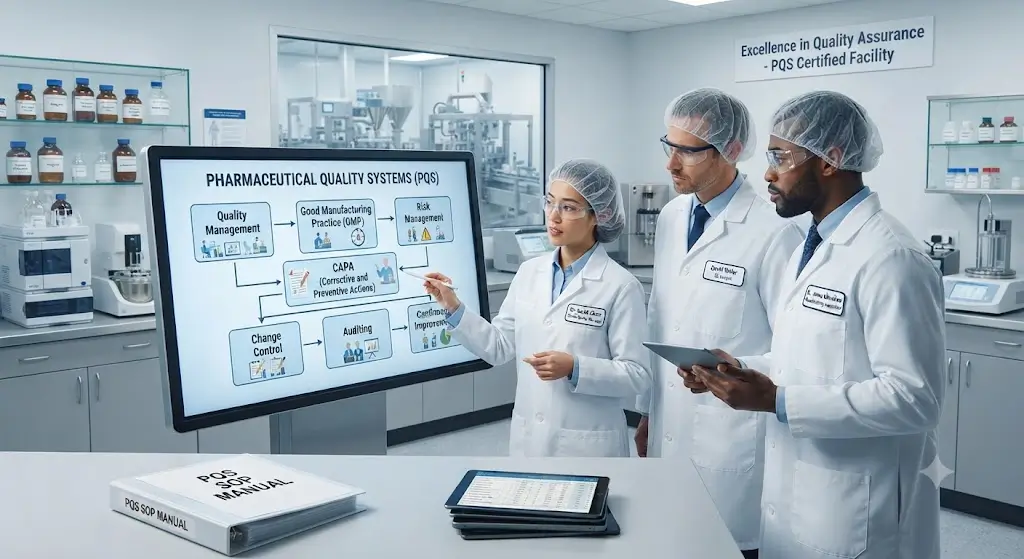
This course introduces learners to pharmaceutical quality management, Good Manufacturing Practices (GMP), quality assurance, quality control, risk management, documentation, audits, validation, corrective and preventive actions (CAPA), and regulatory compliance. Participants also gain practical knowledge of quality system implementation, continuous improvement, data integrity, and inspection readiness.
Whether you are a pharmacy student, quality assurance professional, pharmaceutical employee, manufacturing specialist, regulatory affairs executive, or someone interested in pharmaceutical quality management, this course provides industry-focused knowledge and practical skills for long-term career growth.
Course Overview
Quality systems provide the framework that ensures pharmaceutical products consistently meet established standards for safety, effectiveness, and quality. Every stage of the pharmaceutical lifecycle—from raw material sourcing to manufacturing, packaging, storage, and distribution—depends on effective quality management practices.
Throughout this course, learners explore quality management principles, regulatory expectations, documentation systems, internal audits, deviation handling, process validation, risk assessment, supplier quality management, and continuous improvement strategies. The curriculum combines theoretical knowledge with practical industry applications to prepare learners for modern pharmaceutical quality environments.
What You Will Learn
During this course, learners will explore:
- Fundamentals of pharmaceutical quality systems
- Good Manufacturing Practices (GMP)
- Quality Assurance (QA) principles
- Quality Control (QC) fundamentals
- Pharmaceutical documentation practices
- Standard Operating Procedures (SOPs)
- Risk management techniques
- Corrective and Preventive Actions (CAPA)
- Change control management
- Internal quality audits
- Process validation concepts
- Data integrity principles
- Regulatory compliance requirements
- Continuous quality improvement
- Inspection readiness and quality culture
Skills You Will Gain
After completing the course, learners will develop practical skills including:
- Quality system management
- GMP compliance awareness
- Documentation and record management
- Internal auditing
- Risk assessment
- CAPA implementation
- Change control understanding
- Regulatory compliance
- Process improvement
- Analytical problem-solving
These skills are highly valued across pharmaceutical manufacturers, biotechnology companies, quality assurance departments, quality control laboratories, contract manufacturing organizations, and regulatory agencies.
Benefits of the Course
This course provides learners with a strong understanding of pharmaceutical quality systems and internationally recognized quality management practices. Participants learn how quality systems improve operational efficiency, ensure regulatory compliance, reduce manufacturing risks, and support product consistency.
The program also strengthens analytical thinking, documentation skills, communication, organizational abilities, and professional accountability. As pharmaceutical regulations continue to evolve globally, quality professionals with comprehensive system knowledge remain in high demand.
Who Should Enroll?
This course is ideal for:
- Pharmacy students
- Pharmaceutical professionals
- Quality assurance executives
- Quality control analysts
- Manufacturing professionals
- Regulatory affairs specialists
- Biotechnology professionals
- Production supervisors
- Healthcare professionals
- Individuals interested in pharmaceutical quality management
No previous experience in pharmaceutical quality management is required, making this course suitable for beginners and experienced professionals alike.
Career Opportunities
After completing this course, learners may pursue opportunities such as:
- Quality Assurance Executive
- Quality Control Analyst
- GMP Compliance Officer
- Pharmaceutical Quality Specialist
- Validation Associate
- Documentation Coordinator
- Regulatory Affairs Associate
- CAPA Coordinator
- Pharmaceutical Manufacturing Executive
- Quality Systems Coordinator
The knowledge gained through this course can be applied across pharmaceutical companies, biotechnology firms, medical device manufacturers, research laboratories, healthcare organizations, and regulatory compliance departments.
Certification
Upon successful completion of the course, participants receive a professional certification recognizing their understanding of pharmaceutical quality systems, GMP principles, quality assurance, quality control, risk management, documentation, validation, and regulatory compliance. This certification strengthens professional credibility and supports career advancement in pharmaceutical quality and manufacturing.
Why Choose This Course?
This course combines pharmaceutical quality management principles with practical industry applications to provide learners with a comprehensive educational experience. The curriculum focuses on quality systems, GMP compliance, quality assurance, quality control, audits, documentation, CAPA, risk management, and continuous improvement.
Learners gain practical knowledge that helps them contribute to quality-driven pharmaceutical operations while building confidence in regulatory and manufacturing environments. Whether your goal is to begin a career in pharmaceutical quality or strengthen your existing expertise, this course provides the essential knowledge and professional skills required for long-term success.
Start Your Learning Journey
Quality systems are the foundation of safe and effective pharmaceutical manufacturing. By completing this course, learners develop practical knowledge, technical understanding, and professional confidence that support rewarding career opportunities in pharmaceutical quality management, regulatory compliance, and manufacturing excellence.
FAQ Section
1. What are pharmaceutical quality systems?
Pharmaceutical quality systems are structured processes and standards used to ensure medicines are consistently manufactured, tested, and distributed according to regulatory and quality requirements.
2. Is this course suitable for beginners?
Yes. The course is designed for beginners, pharmacy students, pharmaceutical professionals, and anyone interested in quality management.
3. What topics are covered?
Topics include GMP, quality assurance, quality control, documentation, SOPs, CAPA, change control, audits, validation, risk management, and regulatory compliance.
4. Will I receive a certificate?
Yes. Participants receive a certificate after successfully completing the course.
5. Do I need prior pharmaceutical experience?
No. The course introduces pharmaceutical quality concepts in a simple and beginner-friendly manner.
6. Who should enroll?
Pharmacy students, QA professionals, QC analysts, manufacturing staff, biotechnology professionals, regulatory affairs personnel, and individuals interested in pharmaceutical quality systems.
7. Is the course available online?
Yes. The course is delivered online with flexible learning options.
8. What skills will I gain?
You will develop skills in quality management, GMP compliance, documentation, auditing, CAPA, validation, regulatory compliance, and continuous improvement.
9. Can this course improve my career opportunities?
Yes. Pharmaceutical quality system knowledge is highly valued across pharmaceutical companies, biotechnology firms, manufacturing facilities, and regulatory departments.
10. Why are pharmaceutical quality systems important?
Quality systems help maintain product consistency, improve patient safety, support regulatory compliance, minimize manufacturing risks, and enhance operational efficiency.





Reviews
There are no reviews yet.