
Introduction
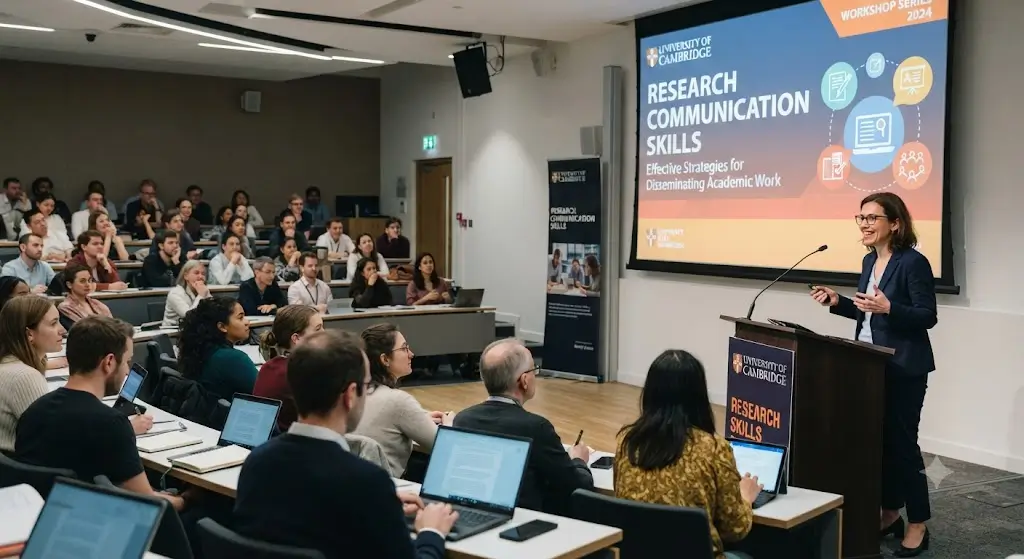
The Research Communication Skills Course is a comprehensive training program designed to equip learners with the knowledge and practical skills required to communicate research effectively across academic, professional, and public settings. Conducting high-quality research is only one part of the research process. Equally important is the ability to explain research objectives, methodologies, findings, and recommendations in a clear, concise, and engaging manner that meets the needs of different audiences.
Research communication involves preparing well-structured reports, writing academic papers, creating compelling presentations, visualizing data, presenting at conferences, engaging stakeholders, publishing research, and translating complex findings into understandable information. Effective communication enhances the visibility, credibility, and impact of research while supporting collaboration and evidence-based decision-making.
This course combines academic writing, presentation techniques, and communication strategies to help learners confidently share research findings in diverse professional environments.
Whether you are a student, researcher, educator, scientist, healthcare professional, consultant, business analyst, policy professional, entrepreneur, or working professional, this course provides practical knowledge applicable across multiple industries.
Why Research Communication Skills are Important
Strong research communication helps ensure that valuable research findings are understood, applied, and used to create positive change.
Key benefits include:
- Improves research visibility
- Enhances academic writing
- Strengthens presentation skills
- Supports knowledge sharing
- Improves stakeholder engagement
- Promotes evidence-based decision-making
- Enhances collaboration
- Increases publication success
- Builds professional credibility
- Expands research impact
For example, universities, research institutions, healthcare organizations, businesses, nonprofit organizations, and government agencies rely on effective communication to share research findings, influence policies, support innovation, and educate stakeholders.
Course Overview
This course provides a structured understanding of research communication principles and practical communication techniques.
Learners will explore:
- Introduction to research communication
- Academic writing
- Scientific writing
- Research reporting
- Presentation skills
- Conference presentations
- Data visualization
- Storytelling with research data
- Stakeholder communication
- Public engagement
- Publication preparation
- Ethical communication practices
- Digital communication tools
- Audience analysis
- Best practices in research communication
What You Will Learn
By the end of this course, learners will be able to:
- Communicate research findings effectively
- Write professional research reports
- Prepare academic and scientific papers
- Deliver engaging presentations
- Create effective data visualizations
- Adapt communication for different audiences
- Prepare conference presentations
- Support research publication efforts
- Apply ethical communication practices
- Increase the impact of research outcomes
Key Components of Research Communication Skills
1. Academic and Scientific Writing
Learn how to prepare research reports, journal articles, technical documents, executive summaries, abstracts, and professional research papers using clear and structured writing.
2. Presentation and Public Speaking
Understand presentation planning, slide design, conference presentations, audience engagement, storytelling techniques, and confident public speaking.
3. Data Visualization and Research Dissemination
Explore charts, graphs, tables, infographics, visual storytelling, digital communication platforms, and techniques for presenting research findings effectively.
4. Stakeholder and Public Communication
Learn how to communicate with academic audiences, policymakers, business leaders, funding agencies, community groups, and the general public using appropriate language and communication strategies.
5. Practical Applications
Understand how research communication supports academic publishing, healthcare research, business intelligence, policy development, consulting, education, nonprofit initiatives, scientific conferences, technology organizations, and corporate research.
Skills You Will Gain
After completing this course, learners will develop valuable professional skills, including:
- Research communication
- Academic writing
- Scientific writing
- Research reporting
- Presentation skills
- Public speaking
- Data visualization
- Storytelling
- Audience engagement
- Communication strategy
- Critical thinking
- Professional writing
- Collaboration
- Ethical communication
- Digital communication
Benefits of This Course
Completing this course offers several professional advantages, including:
- Strong understanding of research communication principles
- Better academic and professional writing skills
- Improved presentation and public speaking confidence
- Practical understanding of data visualization techniques
- Better stakeholder engagement capabilities
- Enhanced publication and reporting skills
- Increased employability across universities, research institutes, healthcare organizations, consulting firms, government agencies, nonprofit organizations, technology companies, educational institutions, multinational corporations, and scientific organizations
- Competitive advantage in research, communication, education, consulting, and policy roles
- Strong foundation for advanced studies in scientific communication, academic writing, public engagement, and knowledge management
Who Should Enroll?
This course is suitable for:
- Students
- Researchers
- Educators
- Scientists
- Healthcare Professionals
- Business Analysts
- Consultants
- Project Managers
- Policy Professionals
- Anyone interested in research communication
No previous communication or research experience is required, making this course suitable for beginners as well as experienced professionals.
Career Opportunities
After completing this course, learners can strengthen their professional capabilities in roles such as:
- Research Communications Officer
- Academic Writer
- Scientific Writer
- Research Analyst
- Policy Communication Specialist
- Knowledge Management Executive
- Research Publication Coordinator
- Technical Writer
- Research Consultant
- Science Communication Specialist
- Research Support Officer
Certification
Upon successful completion of the Research Communication Skills Course, learners receive a professional certificate recognizing their knowledge of research communication, academic writing, scientific writing, presentation skills, research reporting, stakeholder engagement, data visualization, publication preparation, ethical communication, and research dissemination. This certification enhances career opportunities across universities, research institutes, healthcare organizations, consulting firms, government agencies, nonprofit organizations, educational institutions, multinational corporations, and scientific communication organizations.
Conclusion
The Research Communication Skills Course provides learners with practical knowledge and professional skills to effectively communicate research findings to academic, professional, and public audiences. By mastering academic writing, scientific communication, presentation techniques, data visualization, stakeholder engagement, ethical communication, and research dissemination, learners will be well prepared to maximize the visibility and impact of their research.
Whether your goal is to build a career in research, academic publishing, healthcare, consulting, public policy, education, scientific communication, or organizational leadership, this course provides a strong foundation for long-term professional growth.
FAQ
1. What is the Research Communication Skills Course?
It is a course that teaches how to communicate research findings through academic writing, presentations, scientific communication, research reporting, and stakeholder engagement.
2. Who should enroll in this course?
Students, researchers, educators, scientists, healthcare professionals, business analysts, consultants, project managers, policy professionals, and anyone interested in research communication.
3. Do I need prior research experience?
No. The course is beginner-friendly and suitable for learners with no previous background in research communication or academic writing.
4. What topics are covered in this course?
The course covers academic writing, scientific writing, research reporting, presentation skills, conference presentations, data visualization, storytelling with research data, stakeholder communication, publication preparation, and ethical communication.
5. Will I learn how to present research findings effectively?
Yes. The course explains how to create engaging presentations, communicate research to different audiences, design professional visuals, and deliver confident presentations.
6. Does this course include research writing and publication preparation?
Yes. You will learn research report writing, academic paper preparation, scientific writing techniques, publication practices, and effective communication strategies.
7. Will I receive a certificate after completing the course?
Yes. A professional course completion certificate is awarded upon successful completion.
8. Why are research communication skills important?
Research communication skills improve the visibility, credibility, and impact of research, support collaboration, strengthen knowledge sharing, and help research findings influence decision-making and innovation.
9. How do research communication skills benefit organizations?
They improve knowledge transfer, strengthen stakeholder engagement, support evidence-based decisions, enhance organizational reputation, increase research visibility, and encourage collaboration across sectors.
10. What career opportunities are available after this course?
This course strengthens your professional skills for roles such as Research Communications Officer, Academic Writer, Scientific Writer, Research Analyst, Policy Communication Specialist, Knowledge Management Executive, Research Publication Coordinator, Technical Writer, Research Consultant, Science Communication Specialist, and Research Support Officer.


Reviews
There are no reviews yet.