
Introduction
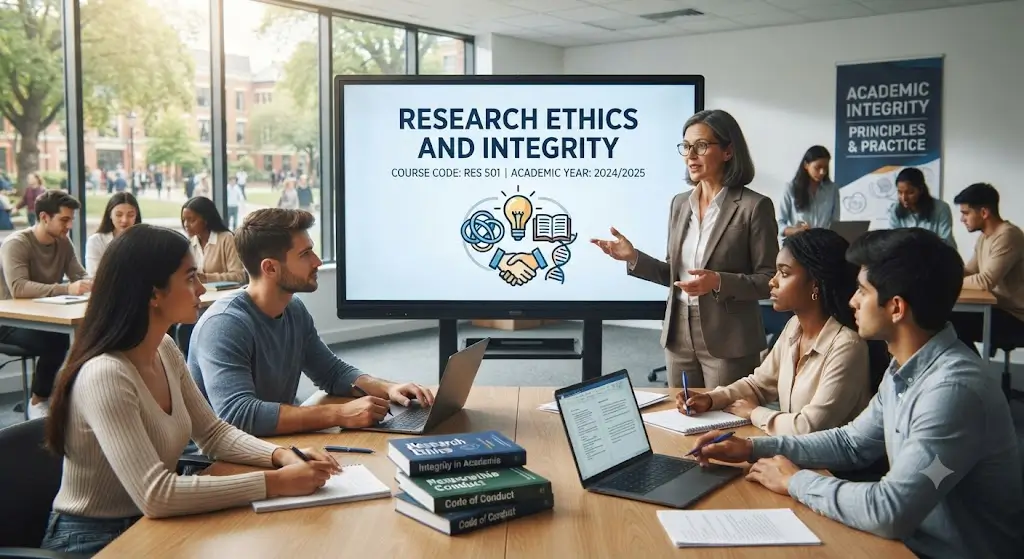
The Research Ethics and Integrity Course is a comprehensive training program designed to provide learners with a strong understanding of the ethical principles and integrity standards that underpin responsible research. Research plays a critical role in advancing knowledge, solving real-world problems, and supporting innovation. However, research must be conducted honestly, transparently, and ethically to ensure that findings are trustworthy and beneficial to society.
Research ethics and integrity involve protecting research participants, maintaining honesty in data collection and reporting, respecting intellectual property, preventing plagiarism, managing conflicts of interest, safeguarding confidential information, and complying with institutional and regulatory requirements. These principles are essential across universities, healthcare organizations, research institutions, government agencies, nonprofit organizations, private companies, and international research collaborations.
This course combines ethical theory with practical applications to help learners understand how responsible research practices improve credibility, strengthen public trust, and support high-quality scientific and academic work.
Whether you are a student, researcher, educator, healthcare professional, academic administrator, consultant, business analyst, policy professional, entrepreneur, or working professional, this course provides practical knowledge applicable across multiple disciplines.
Why Research Ethics and Integrity are Important
Ethical research practices ensure that research is conducted responsibly while protecting participants, maintaining public trust, and supporting reliable scientific knowledge.
Key benefits include:
- Promotes responsible research conduct
- Protects research participants
- Strengthens academic integrity
- Prevents plagiarism and misconduct
- Improves research credibility
- Supports regulatory compliance
- Protects confidential information
- Encourages transparency
- Enhances professional accountability
- Builds public trust in research
For example, universities, healthcare organizations, research institutes, government agencies, and businesses rely on ethical research standards to ensure compliance, fairness, and reliable research outcomes.
Course Overview
This course provides a structured understanding of research ethics and integrity principles.
Learners will explore:
- Introduction to research ethics
- Principles of research integrity
- Responsible conduct of research
- Informed consent
- Participant rights and protection
- Academic integrity
- Plagiarism prevention
- Data management and confidentiality
- Authorship and publication ethics
- Conflicts of interest
- Research compliance
- Ethical decision-making
- Institutional review processes
- Research misconduct prevention
- Best practices in ethical research
What You Will Learn
By the end of this course, learners will be able to:
- Understand research ethics principles
- Apply responsible research practices
- Protect research participants
- Maintain academic integrity
- Prevent plagiarism and misconduct
- Manage research data responsibly
- Address ethical challenges
- Follow publication ethics
- Ensure research compliance
- Promote integrity throughout the research process
Key Components of Research Ethics and Integrity
1. Ethical Principles in Research
Learn the foundations of ethical research, including honesty, transparency, fairness, respect, accountability, and professional responsibility.
2. Participant Protection and Informed Consent
Understand informed consent procedures, participant rights, privacy, confidentiality, vulnerable populations, and ethical treatment of research participants.
3. Academic Integrity and Responsible Conduct
Explore plagiarism prevention, responsible authorship, citation practices, publication ethics, data integrity, conflict of interest management, and responsible collaboration.
4. Compliance and Research Governance
Learn institutional ethics review processes, regulatory compliance, research policies, documentation, reporting responsibilities, and ethical oversight.
5. Practical Applications
Understand how research ethics and integrity support healthcare research, academic studies, scientific investigations, business research, policy analysis, market research, social science research, environmental studies, and organizational research.
Skills You Will Gain
After completing this course, learners will develop valuable professional skills, including:
- Ethical research practices
- Research integrity
- Academic integrity
- Responsible conduct of research
- Ethical decision-making
- Confidentiality management
- Data management
- Plagiarism prevention
- Research compliance
- Critical thinking
- Professional accountability
- Communication skills
- Documentation
- Policy awareness
- Responsible collaboration
Benefits of This Course
Completing this course offers several professional advantages, including:
- Strong understanding of research ethics principles
- Better awareness of academic integrity standards
- Improved ethical decision-making abilities
- Practical understanding of participant protection
- Better research compliance knowledge
- Enhanced professional credibility
- Increased employability across universities, research institutes, healthcare organizations, government agencies, consulting firms, nonprofit organizations, multinational corporations, educational institutions, and corporate research departments
- Competitive advantage in research, academic, compliance, and governance roles
- Strong foundation for advanced studies in research methodology, bioethics, academic research, healthcare research, public policy, and scientific research
Who Should Enroll?
This course is suitable for:
- Students
- Researchers
- Educators
- Healthcare Professionals
- Academic Staff
- Business Researchers
- Policy Analysts
- Consultants
- Project Managers
- Anyone interested in research ethics and integrity
No previous research ethics experience is required, making this course suitable for beginners as well as experienced professionals.
Career Opportunities
After completing this course, learners can strengthen their professional capabilities in roles such as:
- Research Ethics Coordinator
- Research Assistant
- Academic Researcher
- Compliance Officer
- Clinical Research Coordinator
- Research Integrity Officer
- Research Administrator
- Policy Research Analyst
- Quality and Compliance Executive
- Monitoring and Evaluation Officer
- Research Consultant
Certification
Upon successful completion of the Research Ethics and Integrity Course, learners receive a professional certificate recognizing their knowledge of ethical research practices, responsible conduct of research, participant protection, academic integrity, plagiarism prevention, research compliance, publication ethics, data management, confidentiality, and research governance. This certification enhances career opportunities across universities, healthcare organizations, research institutes, government agencies, consulting firms, nonprofit organizations, educational institutions, multinational corporations, and scientific research organizations.
Conclusion
The Research Ethics and Integrity Course provides learners with practical knowledge and professional skills to conduct research responsibly, ethically, and transparently. By mastering ethical principles, participant protection, academic integrity, responsible research conduct, research compliance, publication ethics, data management, confidentiality, and ethical decision-making, learners will be well prepared to contribute to trustworthy, high-quality research across academic and professional environments.
Whether your goal is to build a career in academic research, healthcare, business research, public policy, consulting, scientific research, compliance, or education, this course provides a strong foundation for long-term professional growth.
FAQ
1. What is the Research Ethics and Integrity Course?
It is a course that teaches ethical research principles, responsible research conduct, academic integrity, participant protection, and compliance with ethical and professional research standards.
2. Who should enroll in this course?
Students, researchers, educators, healthcare professionals, academic staff, business researchers, policy analysts, consultants, project managers, and anyone interested in ethical research practices.
3. Do I need prior research experience?
No. The course is beginner-friendly and suitable for learners with no previous background in research ethics or research methodology.
4. What topics are covered in this course?
The course covers research ethics, responsible conduct of research, informed consent, participant protection, academic integrity, plagiarism prevention, data management, publication ethics, research compliance, confidentiality, and ethical decision-making.
5. Will I learn how to conduct ethical research?
Yes. The course explains how to apply ethical principles throughout the research process, protect participants, manage data responsibly, and maintain academic and professional integrity.
6. Does this course include plagiarism prevention and publication ethics?
Yes. You will learn plagiarism prevention, citation practices, responsible authorship, publication ethics, conflict of interest management, and research misconduct prevention.
7. Will I receive a certificate after completing the course?
Yes. A professional course completion certificate is awarded upon successful completion.
8. Why are research ethics and integrity important?
Research ethics and integrity ensure that research is honest, transparent, responsible, compliant with regulations, respectful of participants, and trusted by academic, scientific, and professional communities.
9. How do research ethics benefit organizations?
They improve research quality, strengthen compliance, protect participants, reduce misconduct risks, enhance institutional credibility, and build public trust in research findings.
10. What career opportunities are available after this course?
This course strengthens your professional skills for roles such as Research Ethics Coordinator, Research Assistant, Academic Researcher, Compliance Officer, Clinical Research Coordinator, Research Integrity Officer, Research Administrator, Policy Research Analyst, Quality and Compliance Executive, Monitoring and Evaluation Officer, and Research Consultant.




Reviews
There are no reviews yet.