
Introduction
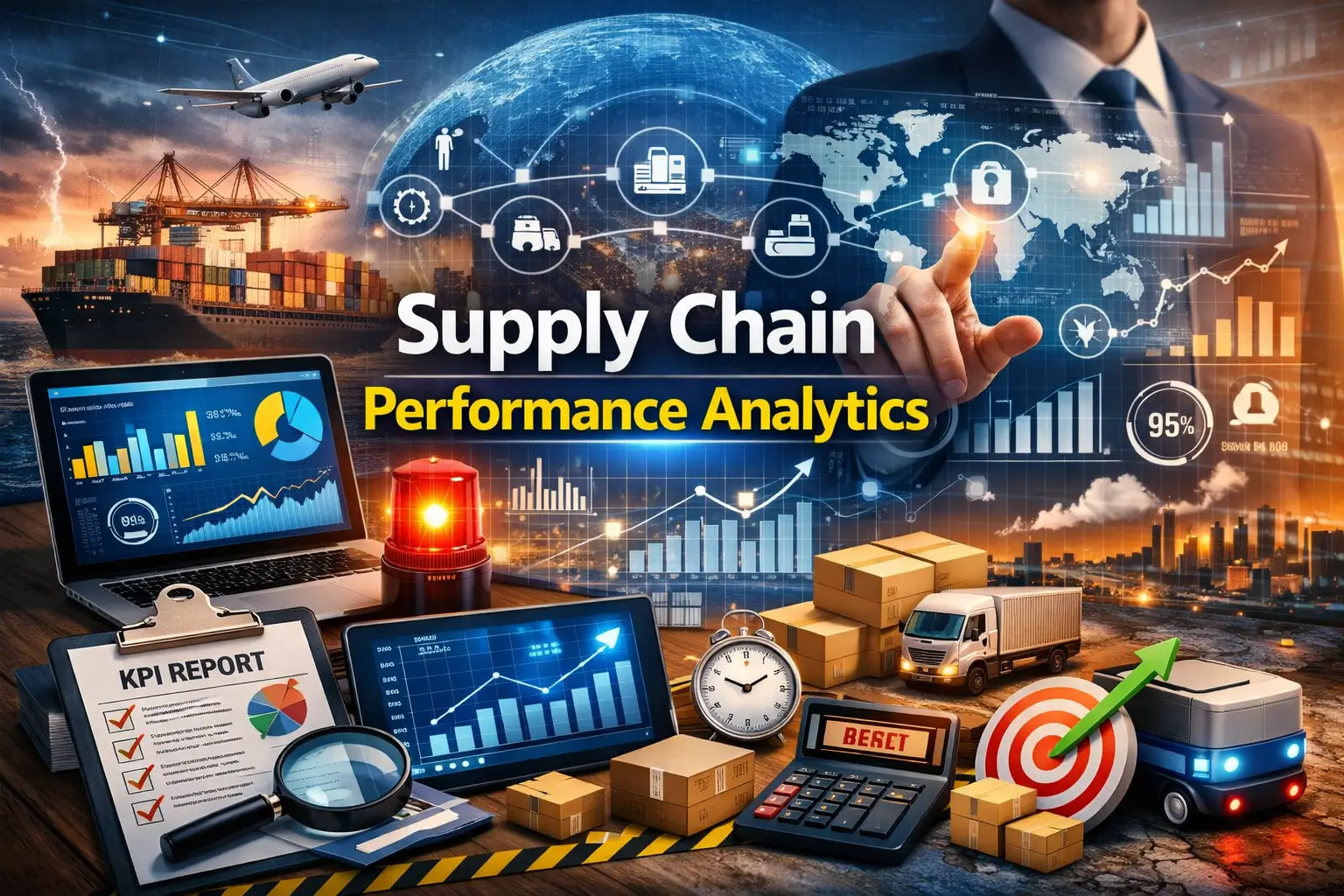
Data has become one of the most valuable assets in modern supply chain management. Organizations generate large volumes of operational information across procurement, inventory, warehousing, transportation, production, and customer fulfillment. However, collecting data alone is not enough. Businesses must analyze and interpret this information to improve efficiency, reduce costs, enhance customer satisfaction, and make informed strategic decisions. The Supply Chain Performance Analytics Course introduces learners to the principles, tools, and techniques required to measure, analyze, and optimize supply chain performance.
Supply chain performance analytics involves monitoring key performance indicators, evaluating operational efficiency, forecasting demand, identifying trends, measuring supplier performance, optimizing logistics, and supporting continuous improvement initiatives. Therefore, professionals with expertise in analytics help organizations make faster, smarter, and more effective business decisions.
Moreover, this course explains how organizations integrate analytics into procurement, production planning, inventory management, warehouse operations, transportation, distribution, and customer service. Learners explore KPI development, dashboard reporting, business intelligence, predictive analytics, artificial intelligence, machine learning, cloud-based analytics, automation, data visualization, and digital transformation.
In addition, participants develop practical skills in analytical thinking, problem-solving, strategic planning, communication, collaboration, leadership, forecasting, and data-driven decision-making. These competencies prepare learners for careers in supply chain management, logistics, procurement, operations management, business intelligence, and analytics.
By completing this course, learners establish a strong foundation in supply chain performance analytics while contributing to operational excellence, business resilience, customer satisfaction, and sustainable organizational growth.
Course Overview
The Supply Chain Performance Analytics Course provides comprehensive training in performance measurement, business intelligence, forecasting, supply chain analytics, operational reporting, digital technologies, and continuous improvement. Furthermore, the course explains how organizations use analytics to improve end-to-end supply chain performance.
Fundamentals of Supply Chain Performance Analytics
The course begins by introducing analytics concepts, data-driven decision-making, supply chain performance frameworks, operational excellence, value chain analysis, and business alignment.
Key Performance Indicators (KPIs)
Learners explore KPI selection, metric development, performance benchmarking, dashboard reporting, operational scorecards, service level measurement, and continuous performance monitoring.
Procurement and Supplier Analytics
The course explains supplier performance evaluation, procurement analytics, sourcing efficiency, contract performance, purchasing metrics, supplier collaboration, and vendor scorecards.
Inventory and Warehouse Analytics
Participants learn inventory performance analysis, warehouse efficiency metrics, stock optimization, inventory turnover, warehouse productivity, replenishment analysis, and storage optimization.
Transportation and Logistics Analytics
Learners understand transportation performance measurement, freight analytics, route optimization, delivery performance, logistics cost analysis, carrier evaluation, and customer service metrics.
Forecasting and Predictive Analytics
The course covers demand forecasting, predictive modeling, trend analysis, capacity planning, sales forecasting, inventory prediction, and operational planning.
Business Intelligence and Data Visualization
Learners explore business intelligence platforms, dashboard development, reporting systems, data visualization techniques, analytics software, and executive reporting.
Digital Technologies for Analytics
Participants learn Enterprise Resource Planning (ERP) systems, artificial intelligence, machine learning, automation, cloud analytics, big data, Internet of Things (IoT), and predictive decision support.
Risk Analytics and Continuous Improvement
The course explains operational risk analysis, disruption forecasting, compliance monitoring, scenario planning, process optimization, benchmarking, and continuous improvement strategies.
Future Trends in Supply Chain Analytics
Finally, learners explore AI-powered analytics, autonomous decision-making, digital twins, real-time dashboards, advanced predictive analytics, intelligent supply chain systems, and emerging digital innovations.
Overall, this course combines supply chain management principles with advanced analytics techniques, enabling learners to improve business performance while preparing them for careers in logistics, procurement, operations, analytics, and strategic management.
What You Will Learn
The Supply Chain Performance Analytics Course equips learners with practical knowledge and analytical skills required to measure, evaluate, and optimize supply chain performance.
Understanding Supply Chain Analytics
First, learners understand performance measurement frameworks, business intelligence, data analysis, operational reporting, and strategic decision-making.
Measuring Operational Performance
Participants learn how to develop KPIs, monitor operational efficiency, benchmark performance, analyze trends, and improve supply chain outcomes.
Managing Procurement and Logistics Analytics
Learners explore supplier performance, procurement analytics, logistics reporting, warehouse metrics, transportation analysis, and distribution performance evaluation.
Forecasting and Predictive Analysis
The course teaches learners forecasting techniques, predictive modeling, trend analysis, demand planning, capacity forecasting, and business planning.
Using Business Intelligence Tools
Participants gain knowledge of dashboard development, reporting systems, visualization techniques, executive reporting, and data-driven decision-making.
Managing Risks Through Analytics
Learners develop skills in operational risk analysis, disruption forecasting, scenario planning, compliance monitoring, resilience measurement, and continuous improvement.
Applying Digital Analytics Technologies
The course introduces ERP systems, AI-powered analytics, machine learning, automation, cloud analytics, IoT integration, and predictive decision support systems.
Supporting Business Growth
Participants learn how analytics improves operational efficiency, customer satisfaction, strategic planning, profitability, innovation, and long-term organizational success.
Skills You Will Gain
After completing the Supply Chain Performance Analytics Course, learners will develop valuable analytical, strategic, and technical skills.
Supply Chain Analytics Skills
Develop the ability to collect, analyze, interpret, and apply supply chain data to improve operational performance.
KPI Development Skills
Learn performance measurement, metric design, dashboard reporting, benchmarking, operational scorecards, and business reporting.
Procurement and Logistics Analytics Skills
Gain expertise in supplier performance analysis, procurement reporting, warehouse metrics, transportation analytics, and logistics optimization.
Forecasting Skills
Develop expertise in demand forecasting, predictive analytics, trend analysis, capacity planning, inventory forecasting, and business planning.
Business Intelligence Skills
Understand business intelligence platforms, reporting systems, data visualization, executive dashboards, analytics software, and strategic reporting.
Technology Skills
Gain proficiency in ERP systems, artificial intelligence, machine learning, automation, cloud analytics, big data, Internet of Things (IoT), predictive analytics, and digital transformation.
Leadership and Communication Skills
Strengthen leadership, stakeholder communication, collaboration, strategic planning, decision-making, and cross-functional coordination.
Analytical and Problem-Solving Skills
Improve analytical thinking, forecasting, financial analysis, process optimization, performance evaluation, resource planning, and continuous improvement capabilities.
Benefits of the Course
The Supply Chain Performance Analytics Course provides learners with practical knowledge and analytical skills to measure, evaluate, and improve supply chain performance using data-driven decision-making. Moreover, the course combines supply chain management principles with modern analytics tools to help learners optimize operations, improve forecasting accuracy, reduce costs, and enhance overall business performance.
Develop Expertise in Supply Chain Analytics
First, learners gain a comprehensive understanding of supply chain performance measurement, operational analytics, business intelligence, forecasting, logistics analysis, and continuous improvement. As a result, they become capable of transforming operational data into valuable business insights.
Improve Performance Measurement Skills
Accurate performance measurement helps organizations achieve operational excellence. Therefore, this course enables learners to develop key performance indicators (KPIs), evaluate operational efficiency, monitor business performance, benchmark results, and support continuous improvement initiatives.
Strengthen Procurement and Supplier Analytics
Effective supplier management relies on performance analysis. Consequently, learners develop expertise in procurement analytics, supplier scorecards, vendor performance measurement, sourcing efficiency analysis, purchasing metrics, and supplier collaboration.
Enhance Inventory and Warehouse Analytics
Efficient inventory management improves customer service while reducing costs. Furthermore, learners gain practical knowledge of inventory performance analysis, warehouse productivity measurement, stock optimization, inventory turnover, replenishment analytics, and storage efficiency.
Improve Logistics and Transportation Performance
Logistics analytics enables organizations to optimize transportation and delivery operations. Accordingly, learners understand transportation performance measurement, freight analytics, route optimization, delivery analysis, logistics cost management, and carrier performance evaluation.
Strengthen Forecasting and Predictive Analytics
Forecasting supports better planning and business growth. Therefore, learners explore demand forecasting, predictive modeling, trend analysis, capacity planning, inventory forecasting, sales forecasting, and operational planning techniques.
Learn Advanced Business Intelligence Technologies
Modern supply chains rely on digital analytics platforms. Consequently, learners explore Enterprise Resource Planning (ERP) systems, Business Intelligence (BI) platforms, artificial intelligence, machine learning, automation, cloud analytics, Internet of Things (IoT), and predictive decision-support systems.
Support Strategic Business Decisions
Reliable data enables better strategic planning. Moreover, learners understand dashboard reporting, executive reporting, data visualization, financial analysis, business intelligence, and strategic decision-making processes.
Build Analytical and Leadership Skills
Supply chain analytics requires strong analytical thinking and collaboration. As a result, learners strengthen problem-solving, leadership, communication, strategic planning, stakeholder collaboration, forecasting, and decision-making capabilities.
Expand Career Opportunities
Organizations across manufacturing, retail, e-commerce, healthcare, automotive, pharmaceuticals, logistics, technology, government, and multinational corporations actively seek professionals with expertise in supply chain performance analytics. Therefore, completing this course enhances career opportunities in logistics, procurement, operations, business intelligence, and supply chain management.
Prepare for Advanced Learning
The course provides a strong foundation for advanced studies in supply chain analytics, business intelligence, digital transformation, operations strategy, logistics management, enterprise analytics, and global supply chain management.
Who Should Enroll
The Supply Chain Performance Analytics Course is designed for individuals who want to develop expertise in supply chain data analysis, business intelligence, forecasting, operational performance, and strategic decision-making.
Supply Chain Professionals
Supply chain professionals can strengthen their knowledge of performance measurement, KPI development, operational analytics, logistics optimization, and strategic planning.
Logistics and Operations Managers
Logistics and operations professionals can improve their expertise in transportation analytics, warehouse performance, delivery optimization, and operational reporting.
Procurement Professionals
Procurement specialists can enhance supplier performance analysis, procurement reporting, sourcing analytics, purchasing metrics, and vendor evaluation.
Business Analysts and Data Professionals
Business analysts and data professionals can develop practical skills in supply chain analytics, business intelligence, dashboard reporting, predictive modeling, and performance evaluation.
Inventory and Warehouse Professionals
Inventory managers and warehouse supervisors can improve inventory analysis, warehouse productivity, stock optimization, and replenishment planning.
Business Owners and Entrepreneurs
Entrepreneurs can use analytics to improve operational efficiency, optimize resources, reduce costs, strengthen decision-making, and enhance customer satisfaction.
Students and Graduates
Students pursuing supply chain management, logistics, operations management, business administration, industrial engineering, analytics, or data science can build valuable industry-ready skills.
Professionals Seeking Leadership Roles
Individuals planning careers in supply chain leadership, operations management, business intelligence, consulting, logistics, or strategic management can gain practical expertise through this course.
Career Opportunities
As organizations increasingly depend on analytics to improve operational performance and strategic planning, professionals with expertise in supply chain performance analytics are highly valued across industries. Therefore, completing the Supply Chain Performance Analytics Course can help learners build rewarding careers in supply chain management, logistics, business intelligence, procurement, and operations.
Potential career roles include:
- Supply Chain Performance Analyst
- Supply Chain Analyst
- Business Intelligence Analyst
- Logistics Analyst
- Operations Analyst
- Procurement Analyst
- Inventory Analyst
- Warehouse Performance Manager
- Supply Chain Manager
- Logistics Manager
- Operations Manager
- Demand Planning Analyst
- Business Analytics Consultant
- Supply Chain Consultant
- Data Analytics Specialist
Graduates may find employment opportunities in:
- Manufacturing companies
- Retail organizations
- E-commerce businesses
- Logistics and transportation companies
- Healthcare organizations
- Automotive manufacturers
- Pharmaceutical companies
- Technology companies
- Government organizations
- Multinational corporations
Furthermore, this course provides a strong foundation for advanced education and specialization in supply chain analytics, digital transformation, business intelligence, logistics optimization, operations strategy, enterprise analytics, and global supply chain management.
Certification
Upon successfully completing the Supply Chain Performance Analytics Course, learners will receive a Course Completion Certificate that recognizes their knowledge of performance measurement, business intelligence, forecasting, supply chain analytics, logistics reporting, inventory analysis, procurement analytics, and data-driven decision-making.
Moreover, the certificate demonstrates your commitment to professional development and continuous learning in supply chain management and analytics. It can strengthen your resume, improve your professional profile, and increase employment opportunities with organizations seeking professionals who can analyze supply chain performance and optimize business operations.
Additionally, the certification validates your understanding of Enterprise Resource Planning (ERP) systems, Business Intelligence (BI) platforms, artificial intelligence, machine learning, automation, cloud analytics, Internet of Things (IoT), predictive analytics, and digital transformation. Consequently, it supports career advancement while preparing learners for leadership roles in supply chain management, logistics, procurement, business intelligence, operations, and analytics.
Conclusion
Supply chain performance analytics is a critical capability that enables organizations to measure operational efficiency, identify improvement opportunities, optimize resources, and make informed strategic decisions. Therefore, professionals with expertise in analytics play a vital role in improving supply chain performance, reducing operational costs, enhancing customer satisfaction, and supporting long-term business success.
The Supply Chain Performance Analytics Course provides comprehensive knowledge of performance measurement, business intelligence, forecasting, logistics analytics, procurement analysis, inventory optimization, digital technologies, and continuous improvement. Moreover, learners develop practical skills that enable them to transform supply chain data into meaningful business insights.
Throughout the course, participants strengthen their analytical abilities, strategic thinking, leadership capabilities, communication skills, and decision-making while exploring modern analytics methodologies. In addition, they gain valuable insights into artificial intelligence, machine learning, predictive analytics, automation, cloud computing, Internet of Things (IoT), business intelligence platforms, and digital transformation.
Whether your goal is to improve supply chain performance, optimize logistics operations, strengthen business intelligence capabilities, or build a successful career in supply chain analytics, this course provides the knowledge and confidence needed for long-term success. Ultimately, it prepares learners to support operational excellence, enhance organizational performance, improve strategic planning, and create sustainable business value.
FAQ SECTION
1. What is the Supply Chain Performance Analytics Course?
The Supply Chain Performance Analytics Course provides training in supply chain data analysis, KPI development, business intelligence, forecasting, logistics analytics, procurement analytics, inventory performance, and operational optimization.
2. Who should enroll in this course?
This course is ideal for supply chain professionals, logistics managers, operations managers, procurement specialists, business analysts, entrepreneurs, students, and individuals seeking careers in supply chain analytics.
3. Do I need prior analytics experience?
No. The course is suitable for beginners as well as experienced professionals who want to strengthen their supply chain analytics and business intelligence skills.
4. What topics are covered in this course?
The course covers KPI development, business intelligence, procurement analytics, logistics analytics, warehouse performance, forecasting, predictive analytics, ERP systems, AI, machine learning, cloud analytics, and digital transformation.
5. What skills will I gain after completing this course?
You will develop skills in supply chain analytics, KPI measurement, business intelligence, forecasting, logistics analysis, procurement analytics, dashboard reporting, predictive modeling, and data-driven decision-making.
6. Why is supply chain performance analytics important?
Supply chain performance analytics helps organizations improve operational efficiency, reduce costs, optimize inventory, strengthen forecasting, enhance customer satisfaction, and make informed strategic decisions using real-time data.
7. What career opportunities are available after completing this course?
Graduates can pursue careers as Supply Chain Performance Analysts, Business Intelligence Analysts, Logistics Analysts, Operations Analysts, Procurement Analysts, Supply Chain Managers, and Business Analytics Consultants.
8. Will I receive a certificate after completing this course?
Yes. Learners who successfully complete the course will receive a Course Completion Certificate that validates their knowledge and practical skills in supply chain performance analytics.
9. How does supply chain performance analytics improve business performance?
Supply chain performance analytics improves business performance by measuring operational efficiency, identifying trends, optimizing logistics, improving forecasting, supporting strategic planning, and enabling faster, data-driven decisions.
10. How can this course benefit my career?
This course strengthens your expertise in supply chain analytics, enhances your professional profile, expands career opportunities, and prepares you for leadership roles in supply chain management, logistics, procurement, operations, business intelligence, and data analytics.




Reviews
There are no reviews yet.