
Introduction
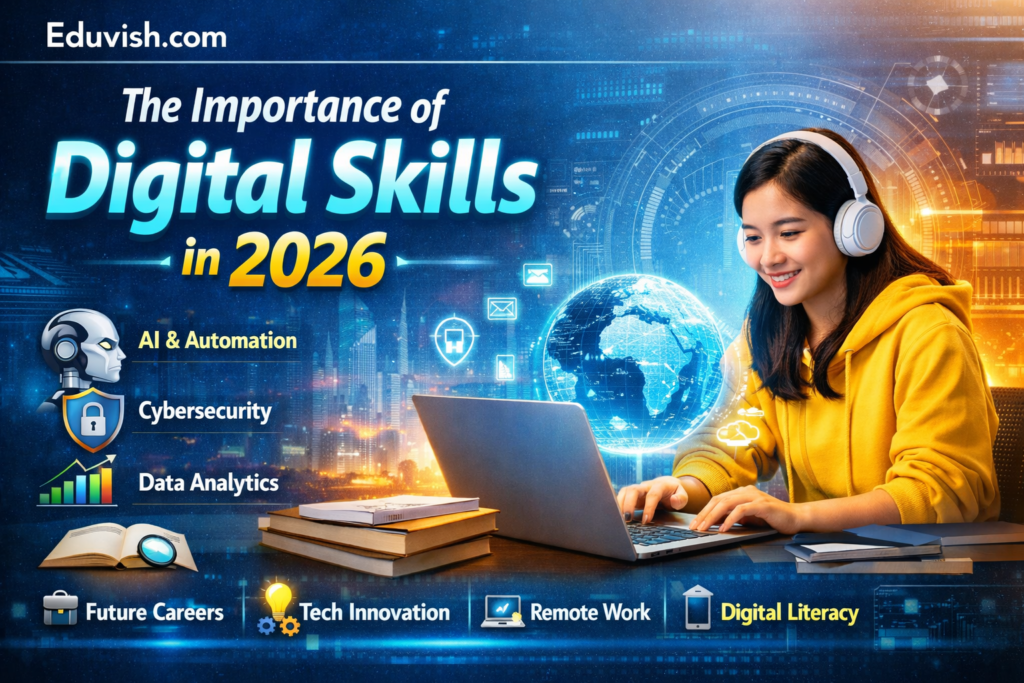
In 2026, digital skills are no longer optional — they’re essential. The world is transforming faster than ever, driven by artificial intelligence (AI), automation, data analytics, and remote work technologies. Whether you’re a student, professional, or entrepreneur, mastering digital skills is the key to staying relevant and competitive in this new era.
Digital literacy empowers individuals to communicate, create, and innovate using technology. From coding and cybersecurity to digital marketing and AI tools, these skills define success in the modern workplace.
What Are Digital Skills?
Digital skills refer to the ability to use digital tools, platforms, and technologies effectively. They include both basic computer literacy and advanced technical competencies such as programming, data analysis, and cloud computing.
Categories of Digital Skills
| Skill Type | Examples | Application |
|---|---|---|
| Basic Skills | Email, Word, Excel, Internet browsing | Everyday communication and productivity |
| Technical Skills | Coding, AI, Data Science, Cybersecurity | Professional and technical roles |
| Creative Skills | Graphic design, Video editing, UX/UI | Marketing and content creation |
| Analytical Skills | Data visualization, SEO, Analytics | Business decision‑making |
| Soft Digital Skills | Online collaboration, digital communication | Remote teamwork and leadership |
Why Digital Skills Matter in 2026
The global economy is becoming digitally driven. Every industry — from healthcare to education — relies on technology. Here’s why digital skills are crucial:
1. Career Growth
Employers now prioritize candidates with digital expertise. Skills like data analytics, AI, and cloud computing are among the most in‑demand in 2026.
2. Remote Work Revolution
The rise of hybrid and remote jobs means professionals must know how to use tools like Zoom, Slack, Microsoft Teams, and project management software.
3. Entrepreneurship & Innovation
Digital skills enable entrepreneurs to build online businesses, manage e‑commerce platforms, and market products globally.
4. Global Connectivity
Digital literacy bridges cultural and geographical gaps, allowing collaboration across borders.
5. Lifelong Learning
Technology evolves rapidly. Continuous learning ensures adaptability and long‑term success.
Top Digital Skills to Learn in 2026
To stay ahead, focus on these high‑value skills:
1. Artificial Intelligence (AI) & Machine Learning
AI powers automation, predictive analytics, and smart decision‑making. Learning AI tools and algorithms can open doors to lucrative careers.
2. Data Analytics
Data is the new oil. Understanding how to collect, analyze, and interpret data helps businesses make informed decisions.
3. Cybersecurity
With increasing cyber threats, cybersecurity professionals are in high demand. Learn how to protect systems and data from attacks.
4. Cloud Computing
Platforms like AWS, Azure, and Google Cloud dominate IT infrastructure. Cloud skills are vital for developers and system administrators.
5. Digital Marketing
SEO, social media marketing, and content strategy are essential for brand visibility and growth.
6. Blockchain Technology
Blockchain is revolutionizing finance, supply chains, and data security. Understanding its fundamentals is a major advantage.
7. UX/UI Design
User experience design ensures digital products are intuitive and engaging.
8. Coding & Programming
Languages like Python, JavaScript, and SQL remain core to software development.
9. Automation Tools
Learning tools like Zapier, Power Automate, and RPA software boosts efficiency.
10. Soft Digital Skills
Adaptability, communication, and collaboration in virtual environments are equally important.
Impact of Digital Skills on Employment
According to global workforce trends, 80% of jobs in 2026 will require digital proficiency. Companies are investing heavily in digital transformation, creating millions of new tech‑driven roles.
Industries Demanding Digital Skills
- IT & Software Development
- Finance & Banking
- Healthcare Technology
- Education & E‑Learning
- Marketing & Advertising
- Manufacturing & Automation
Digital Skills for Students
Students entering the workforce in 2026 must be digitally fluent. Essential skills include:
- Online research and presentation tools
- Coding fundamentals
- Social media management
- Data interpretation
- Cyber awareness
Digital Skills for Professionals
Professionals must upskill to remain competitive. Focus on:
- Automation and AI integration
- Data‑driven decision‑making
- Cloud and cybersecurity management
- Digital communication and leadership

