
Introduction
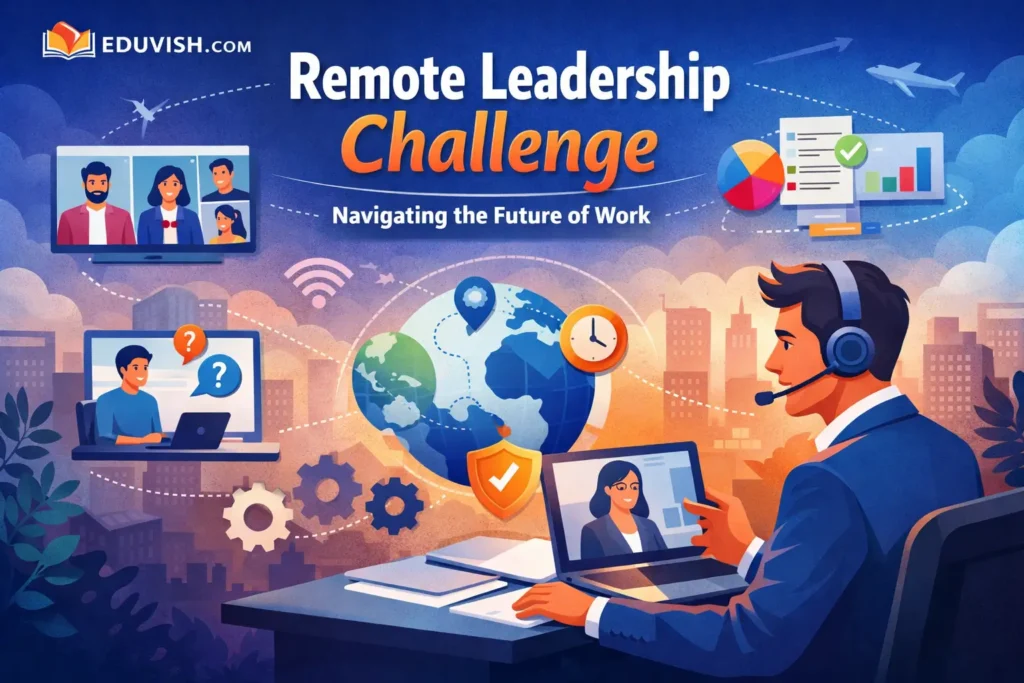
The rise of remote work has transformed the way organizations operate. While it offers flexibility, cost savings, and access to global talent, it also presents unique challenges for leaders. The remote leadership challenge is about balancing productivity, engagement, and culture in a virtual environment. This article explores strategies, skills, and solutions leaders need to thrive in remote settings.
Introduction
The rise of remote work has transformed the way organizations operate. While it offers flexibility, cost savings, and access to global talent, it also presents unique challenges for leaders. The remote leadership challenge is about balancing productivity, engagement, and culture in a virtual environment. This article explores strategies, skills, and solutions leaders need to thrive in remote settings.
The Evolution of Remote Work
- Remote work history: From telecommuting in the 1980s to today’s hybrid models.
- Digital transformation: Cloud tools, collaboration platforms, and AI reshaping leadership.
- Post-pandemic shift: Why remote leadership is now a permanent skill.
Key Challenges of Remote Leadership
- Communication barriers: Misunderstandings due to lack of face‑to‑face interaction.
- Employee engagement: Keeping teams motivated without physical presence.
- Trust building: Overcoming skepticism and micromanagement tendencies.
- Work-life balance: Helping employees avoid burnout.
- Cultural cohesion: Maintaining organizational identity across geographies.
Essential Skills for Remote Leaders
- Emotional intelligence: Understanding team members’ feelings and needs.
- Digital literacy: Mastering tools like Slack, Zoom, and project management apps.
- Adaptability: Responding quickly to changing circumstances.
- Clear communication: Using concise language and structured updates.
- Performance management: Setting measurable goals and tracking progress.
Strategies to Overcome Remote Leadership Challenges
- Regular check-ins: Weekly one‑on‑ones to maintain connection.
- Virtual team building: Online games, workshops, and brainstorming sessions.
- Transparent policies: Clear guidelines on availability, deadlines, and accountability.
- Recognition programs: Celebrating achievements through digital platforms.
- Hybrid flexibility: Allowing employees to choose between office and remote work.
Tools That Empower Remote Leaders
| Tool | Purpose | Example |
|---|---|---|
| Video conferencing | Meetings & collaboration | Zoom, Microsoft Teams |
| Project management | Task tracking | Trello, Asana |
| Communication apps | Instant messaging | Slack, Discord |
| Employee monitoring | Productivity insights | Time Doctor |
| Knowledge sharing | Documentation | Notion, Confluence |
Case Studies of Successful Remote Leadership
- GitLab: Fully remote company with strong documentation culture.
- Shopify: Transitioned to permanent remote-first operations.
- Buffer: Transparent salaries and open communication policies.
Future of Remote Leadership
- AI in leadership: Automating routine tasks and enhancing decision-making.
- Global collaboration: Diverse teams working across time zones.
- Sustainable practices: Eco-friendly policies reducing commuting emissions.
Conclusion
The remote leadership challenge is not about replacing traditional leadership but evolving it. Leaders who embrace empathy, technology, and adaptability will build resilient, high-performing teams in the digital age.

