
Introduction
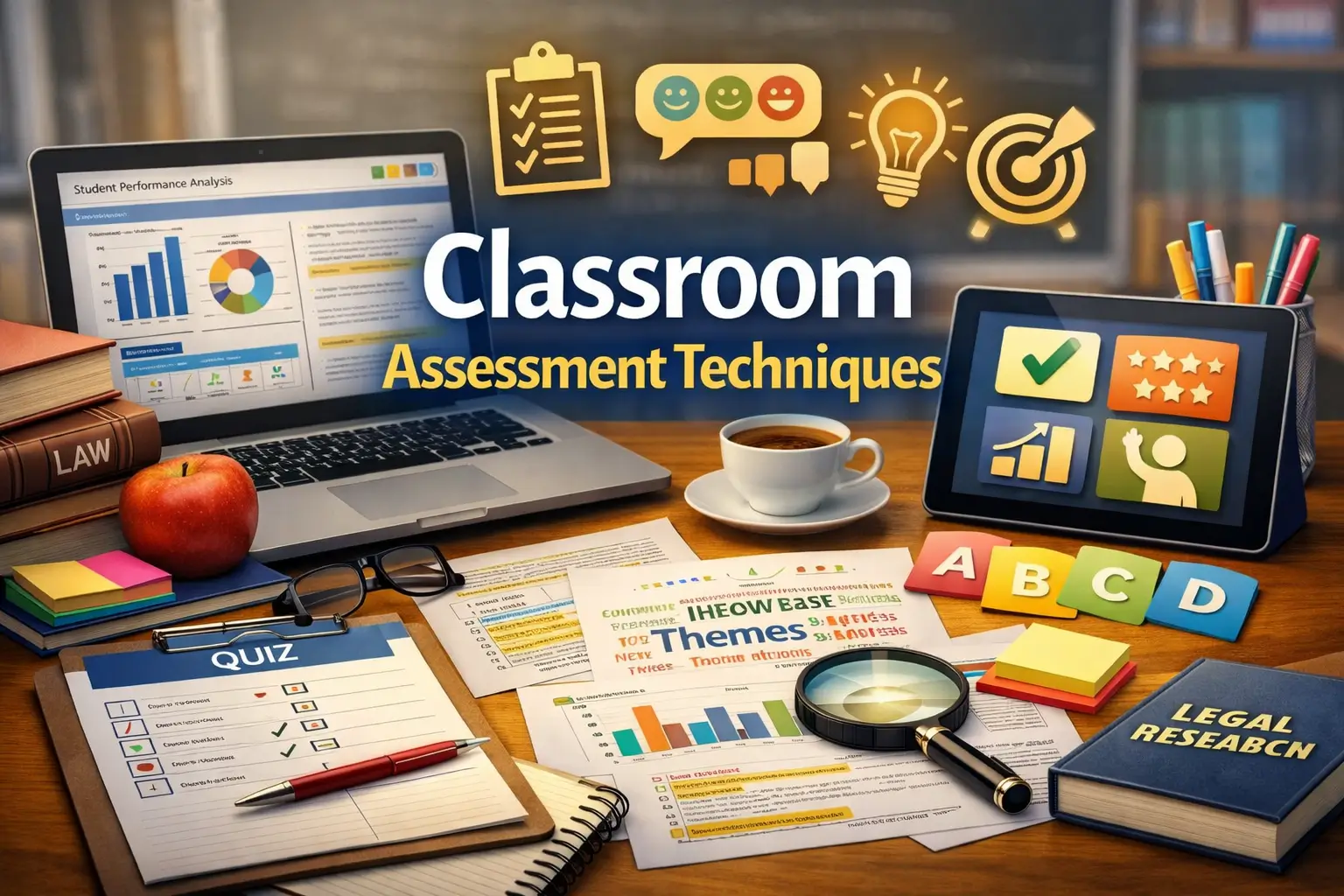
The Classroom Assessment Techniques Course is a comprehensive training program designed to provide learners with the knowledge and practical skills needed to evaluate student learning through effective classroom assessment practices. Assessment is a vital component of the teaching and learning process because it helps educators understand student progress, evaluate learning outcomes, identify instructional needs, and support continuous academic improvement.
Modern classroom assessment goes beyond traditional examinations by incorporating a variety of assessment methods that encourage active learning, critical thinking, collaboration, creativity, and student engagement. Teachers use assessment findings to adjust instructional strategies, personalize learning experiences, and provide constructive feedback that helps students achieve their educational goals.
This course combines educational assessment theory with practical classroom applications to help educators develop reliable, fair, and meaningful assessment systems that enhance learning outcomes.
Whether you are a teacher, educator, school administrator, instructional designer, trainer, tutor, education student, academic coordinator, or learning professional, this course provides practical knowledge applicable across schools, colleges, universities, and training organizations.
Why Classroom Assessment Techniques are Important
Effective classroom assessment improves both teaching quality and student learning outcomes.
Key benefits include:
- Measures student learning progress
- Identifies learning gaps
- Supports personalized instruction
- Improves teaching effectiveness
- Encourages active student participation
- Provides meaningful feedback
- Enhances academic achievement
- Supports evidence-based teaching
- Promotes continuous improvement
- Builds learner confidence
For example, educators use classroom assessments to evaluate understanding after lessons, identify students needing additional support, monitor skill development, and improve instructional planning.
Course Overview
This course provides a structured understanding of classroom assessment principles and practical evaluation methods.
Learners will explore:
- Introduction to classroom assessment
- Learning outcomes and objectives
- Formative assessment
- Summative assessment
- Diagnostic assessment
- Performance-based assessment
- Classroom observation techniques
- Rubric development
- Quiz and test design
- Student feedback strategies
- Grading principles
- Educational measurement
- Assessment ethics
- Assessment data interpretation
- Best practices in classroom assessment
What You Will Learn
By the end of this course, learners will be able to:
- Understand classroom assessment principles
- Design effective assessment activities
- Develop learning outcomes
- Create formative and summative assessments
- Develop fair grading systems
- Design assessment rubrics
- Interpret student performance data
- Provide constructive feedback
- Improve instructional strategies
- Support student achievement
Key Components of Classroom Assessment Techniques
1. Assessment Planning
Learn how to define learning objectives, align assessments with curriculum standards, select appropriate assessment methods, and design effective evaluation plans.
2. Assessment Methods
Understand formative assessments, summative assessments, diagnostic assessments, classroom observations, quizzes, assignments, projects, presentations, portfolios, and performance-based assessments.
3. Feedback and Evaluation
Explore grading methods, rubric creation, constructive feedback, student self-assessment, peer assessment, progress monitoring, and assessment reporting.
4. Educational Measurement and Ethics
Learn assessment reliability, validity, fairness, ethical grading practices, inclusive assessment strategies, bias reduction, and continuous improvement techniques.
5. Practical Applications
Understand how classroom assessment supports schools, colleges, universities, online education, vocational training, corporate learning, teacher development, curriculum planning, and educational quality improvement.
Skills You Will Gain
After completing this course, learners will develop valuable professional skills, including:
- Classroom assessment
- Student evaluation
- Formative assessment
- Summative assessment
- Rubric development
- Assessment planning
- Educational measurement
- Observation skills
- Feedback techniques
- Critical thinking
- Communication skills
- Instructional planning
- Data interpretation
- Classroom management
- Educational leadership
Benefits of This Course
Completing this course offers several professional advantages, including:
- Strong understanding of classroom assessment principles
- Better student evaluation and grading skills
- Improved instructional planning abilities
- Practical understanding of assessment methods
- Better feedback and communication skills
- Enhanced classroom management capabilities
- Increased employability across schools, colleges, universities, educational institutions, training organizations, corporate learning departments, online education platforms, nonprofit education organizations, government education departments, and academic support services
- Competitive advantage in teaching, curriculum development, educational leadership, and instructional design roles
- Strong foundation for advanced studies in education, assessment, curriculum design, educational psychology, and instructional leadership
Who Should Enroll?
This course is suitable for:
- Teachers
- Educators
- School Administrators
- Trainers
- Instructional Designers
- Education Students
- Academic Coordinators
- Learning Facilitators
- Tutors
- Anyone interested in classroom assessment
No previous teaching or assessment experience is required, making this course suitable for beginners as well as experienced education professionals.
Career Opportunities
After completing this course, learners can strengthen their professional capabilities in roles such as:
- Teacher
- Educational Trainer
- Academic Coordinator
- Curriculum Developer
- Instructional Designer
- Learning and Development Specialist
- Assessment Coordinator
- Education Consultant
- School Administrator
- Teaching Assistant
- Educational Program Officer
Certification
Upon successful completion of the Classroom Assessment Techniques Course, learners receive a professional certificate recognizing their knowledge of classroom assessment, formative and summative assessment, student evaluation, assessment planning, rubric development, grading principles, educational measurement, feedback strategies, assessment ethics, and instructional improvement. This certification enhances career opportunities across schools, colleges, universities, educational institutions, corporate training organizations, online learning platforms, nonprofit education organizations, government education departments, and academic support organizations.
Conclusion
The Classroom Assessment Techniques Course provides learners with practical knowledge and professional skills to design, implement, and evaluate effective classroom assessments that improve student learning and teaching quality. By mastering assessment planning, formative and summative evaluation, rubric development, grading systems, feedback strategies, educational measurement, and ethical assessment practices, learners will be well prepared to create engaging and meaningful learning environments.
Whether your goal is to build a career in teaching, curriculum development, instructional design, educational leadership, teacher training, academic administration, or learning and development, this course provides a strong foundation for long-term professional success.
FAQ
1. What is the Classroom Assessment Techniques Course?
It is a course that teaches how to design, implement, and evaluate classroom assessments to measure student learning, improve teaching, and support academic success.
2. Who should enroll in this course?
Teachers, educators, school administrators, trainers, instructional designers, education students, academic coordinators, tutors, learning facilitators, and anyone interested in classroom assessment.
3. Do I need prior teaching experience?
No. The course is beginner-friendly and suitable for learners with no previous background in teaching or educational assessment.
4. What topics are covered in this course?
The course covers formative assessment, summative assessment, diagnostic assessment, rubric development, grading principles, classroom observation, assessment planning, educational measurement, student feedback, and assessment ethics.
5. Will I learn how to design classroom assessments?
Yes. The course explains how to create quizzes, assignments, projects, performance assessments, observation tools, and rubrics aligned with learning objectives.
6. Does this course include grading and feedback strategies?
Yes. You will learn fair grading methods, constructive feedback techniques, student self-assessment, peer assessment, and progress monitoring strategies.
7. Will I receive a certificate after completing the course?
Yes. A professional course completion certificate is awarded upon successful completion.
8. Why are classroom assessment techniques important?
Classroom assessment techniques help monitor student progress, identify learning gaps, improve instructional strategies, provide meaningful feedback, and support continuous academic improvement.
9. How do classroom assessment techniques benefit educators and institutions?
They improve teaching effectiveness, strengthen curriculum implementation, enhance student engagement, support evidence-based instruction, promote fair evaluation, and improve overall educational quality.
10. What career opportunities are available after this course?
This course strengthens your professional skills for roles such as Teacher, Educational Trainer, Academic Coordinator, Curriculum Developer, Instructional Designer, Learning and Development Specialist, Assessment Coordinator, Education Consultant, School Administrator, Teaching Assistant, and Educational Program Officer.



Reviews
There are no reviews yet.