
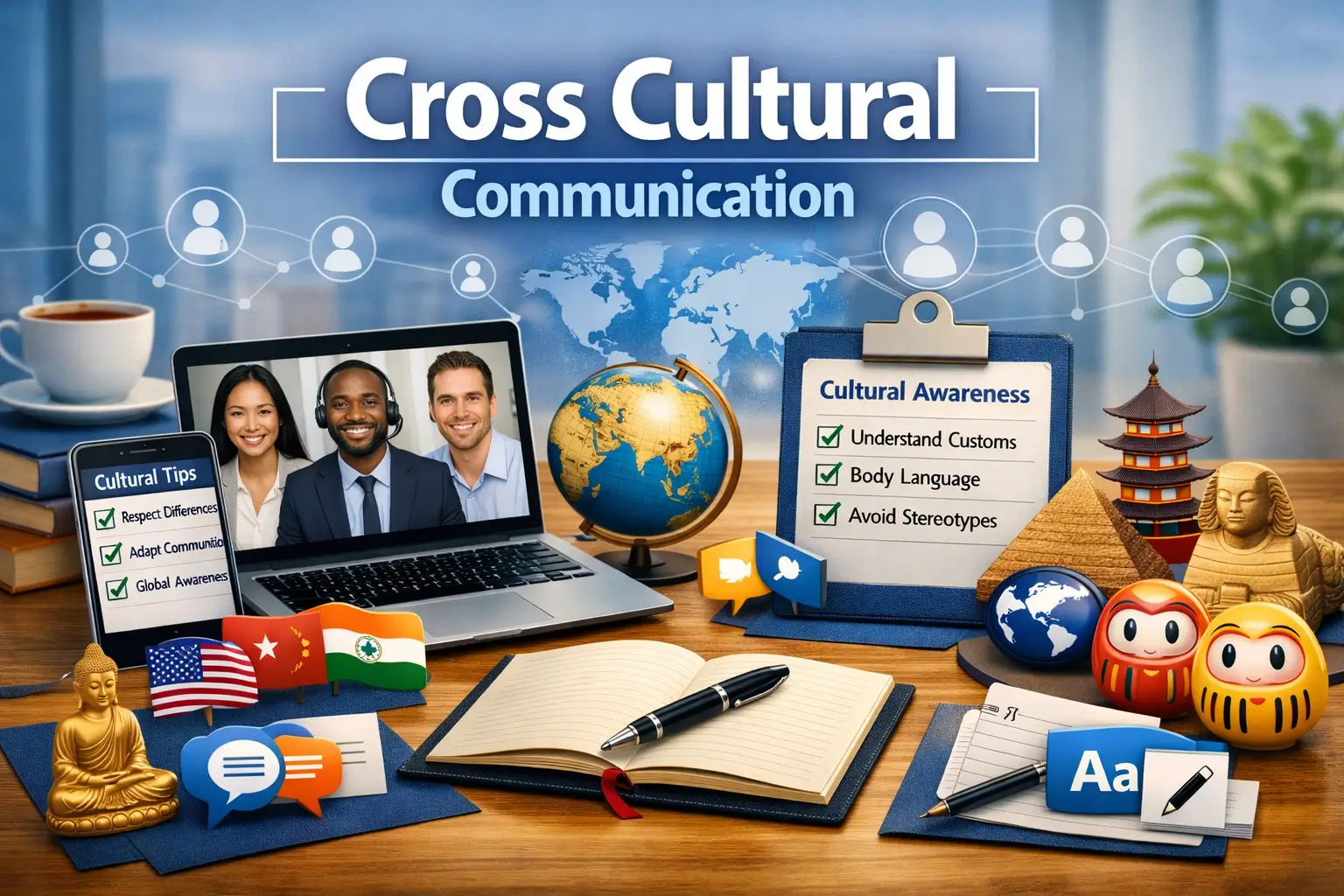
Introduction
The Cross Cultural Communication Course is a comprehensive training program designed to equip learners with the knowledge and practical skills required to communicate successfully across different cultures. In today’s globalized economy, organizations regularly collaborate with international clients, multicultural teams, remote employees, suppliers, and business partners from diverse cultural backgrounds. Effective cross-cultural communication has become an essential professional competency that supports collaboration, innovation, customer satisfaction, and global business success.
Every culture has unique values, communication styles, social norms, workplace expectations, and approaches to leadership and decision-making. Professionals who understand these differences are better prepared to avoid misunderstandings, build trust, strengthen business relationships, and work effectively in multicultural environments.
Whether you are a student preparing for an international career, a business professional, manager, entrepreneur, HR specialist, project coordinator, customer service representative, consultant, or global team leader, this course provides practical knowledge to communicate confidently across cultures and succeed in international workplaces.
Why Cross Cultural Communication is Important
Effective cross-cultural communication enables professionals to build strong relationships while working successfully in diverse environments.
Key benefits of cross-cultural communication include:
- Improves global collaboration
- Strengthens multicultural teamwork
- Reduces communication misunderstandings
- Enhances customer relationships
- Supports international business growth
- Encourages workplace inclusion
- Improves conflict resolution
- Develops cultural awareness
- Enhances leadership effectiveness
- Contributes to career advancement in global organizations
For example, professionals with cross-cultural communication skills can collaborate more effectively with international teams, negotiate confidently with global clients, and create inclusive workplace environments.
Course Overview
This course provides a structured understanding of cross-cultural communication principles and international workplace communication strategies.
Learners will explore:
- Introduction to cross-cultural communication
- Understanding culture and cultural diversity
- Communication styles across cultures
- Verbal and non-verbal communication
- Cultural values and workplace behavior
- Global business etiquette
- Diversity and inclusion
- Active listening across cultures
- Managing cultural misunderstandings
- Conflict resolution in multicultural teams
- International teamwork and collaboration
- Leadership in diverse workplaces
- Emotional intelligence and cultural sensitivity
- Building global professional relationships
- Best practices for cross-cultural communication
What You Will Learn
By the end of this course, learners will be able to:
- Understand cross-cultural communication principles
- Communicate effectively with people from diverse cultures
- Recognize cultural differences in communication
- Adapt communication styles for global audiences
- Improve teamwork in multicultural workplaces
- Build respectful international relationships
- Resolve communication challenges professionally
- Strengthen cultural awareness and sensitivity
- Improve workplace collaboration across cultures
- Support inclusive and respectful organizational environments
Key Components of Cross Cultural Communication
1. Cultural Awareness
Learn how cultural values, traditions, beliefs, and workplace norms influence communication and professional interactions.
2. Communication Across Cultures
Understand how verbal, written, and non-verbal communication styles vary across cultures and how to adapt appropriately.
3. Diversity and Inclusion
Explore strategies for creating respectful, inclusive, and collaborative workplaces that value cultural diversity.
4. International Collaboration
Learn techniques for working effectively with global teams, international clients, remote colleagues, and multicultural stakeholders.
5. Continuous Cultural Learning
Understand how ongoing cultural awareness, professional curiosity, and respectful communication contribute to long-term international success.
Skills You Will Gain
After completing this course, learners will develop valuable professional skills, including:
- Cross-cultural communication
- Intercultural communication
- Cultural awareness
- Workplace diversity
- Business communication
- Active listening
- Team collaboration
- Conflict resolution
- Emotional intelligence
- Professional relationship building
- Global business etiquette
- Inclusive communication
- Leadership communication
- International teamwork
- Professional adaptability
Benefits of This Course
Completing this course offers several professional advantages, including:
- Strong understanding of cross-cultural communication principles
- Better career opportunities in global organizations
- Improved communication and collaboration skills
- Practical understanding of cultural diversity
- Better teamwork and relationship-building abilities
- Enhanced confidence in international business interactions
- Increased employability in multinational workplaces
- Competitive advantage in global business, customer service, HR, consulting, and leadership roles
- Strong foundation for international business, leadership, and diversity management careers
Who Should Enroll?
This course is suitable for:
- Students
- Graduates
- Working professionals
- Managers
- Human resource professionals
- Customer service representatives
- Project managers
- Entrepreneurs
- International business professionals
- Anyone working in multicultural environments
No previous international work experience is required, making this course suitable for beginners and experienced professionals alike.
Career Opportunities
After completing this course, learners can strengthen their effectiveness in roles such as:
- Human Resources Executive
- Customer Service Executive
- Business Development Executive
- Project Coordinator
- International Sales Executive
- Global Account Manager
- Operations Executive
- Team Leader
- Business Consultant
- International Business Executive
- Corporate Trainer
Certification
Upon successful completion of the Cross Cultural Communication Course, learners receive a professional certificate recognizing their knowledge of intercultural communication, workplace diversity, global business communication, cultural awareness, inclusive communication, international collaboration, conflict resolution, active listening, emotional intelligence, and professional relationship management. This certification enhances career opportunities across multinational corporations, international organizations, consulting firms, technology companies, educational institutions, healthcare organizations, government agencies, financial institutions, hospitality businesses, and global service industries.
Conclusion
The Cross Cultural Communication Course provides learners with practical knowledge and professional skills to communicate effectively in diverse and international workplace environments. By mastering cultural awareness, global communication strategies, workplace diversity, inclusive collaboration, conflict resolution, emotional intelligence, and professional relationship building, learners will be well prepared to succeed in today’s interconnected global workforce.
Whether your goal is to work with international teams, expand your career globally, improve multicultural collaboration, or strengthen your professional communication skills, this course provides a strong foundation for long-term career success in a global business environment.
FAQ
1. What is the Cross Cultural Communication Course?
It is a course that teaches effective communication across different cultures, helping learners build strong professional relationships and collaborate successfully in multicultural workplaces.
2. Who should enroll in this course?
Students, graduates, professionals, managers, HR professionals, project managers, entrepreneurs, customer service representatives, international business professionals, and anyone working with culturally diverse teams.
3. Do I need prior international work experience?
No. The course is beginner-friendly and suitable for learners at all career stages.
4. What topics are covered in this course?
The course covers cultural awareness, communication styles, workplace diversity, global business etiquette, verbal and non-verbal communication, teamwork, conflict resolution, emotional intelligence, international collaboration, and inclusive communication.
5. Will I learn how to communicate with international teams?
Yes. The course includes practical techniques for communicating with multicultural teams, global clients, remote colleagues, and international business partners.
6. Does this course include diversity and inclusion concepts?
Yes. You will learn how diversity, inclusion, respect, and cultural sensitivity contribute to stronger workplace collaboration and organizational success.
7. Will I receive a certificate after completing the course?
Yes. A professional course completion certificate is awarded upon successful completion.
8. Why is cross-cultural communication important?
Cross-cultural communication improves teamwork, reduces misunderstandings, strengthens international relationships, supports global business operations, enhances leadership, and creates more inclusive workplaces.
9. How does cross-cultural communication benefit organizations?
It improves collaboration, supports international business expansion, strengthens customer relationships, enhances employee engagement, reduces communication barriers, and promotes innovation through diverse perspectives.
10. What career opportunities are available after this course?
This course strengthens your professional skills for roles such as Human Resources Executive, Customer Service Executive, International Business Executive, Business Development Executive, Project Coordinator, Global Account Manager, Operations Executive, Business Consultant, Team Leader, Corporate Trainer, and other roles requiring global communication and collaboration.





Reviews
There are no reviews yet.