
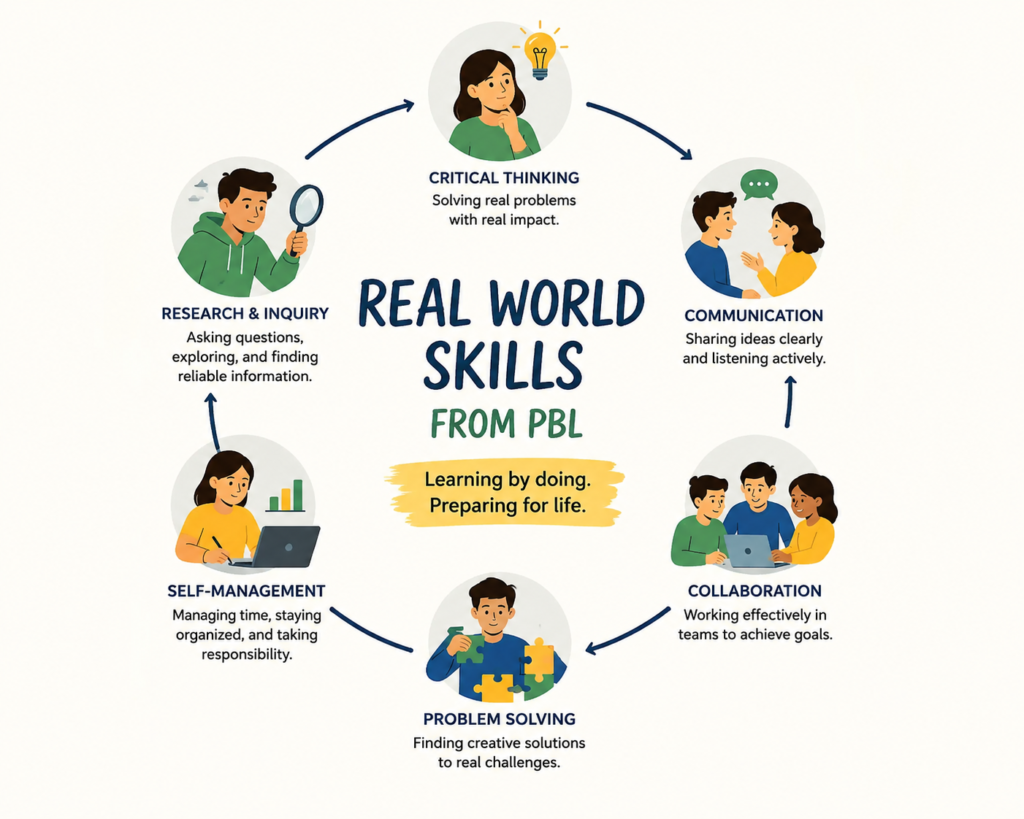
Real‑World Skills from PBL: Unlocking Future‑Ready Learning
Introduction
Education today is no longer just about memorizing facts or passing exams. Employers and communities demand individuals who can solve problems, collaborate effectively, and adapt to change. This is where Project‑Based Learning (PBL) comes in. PBL is a teaching method that places students in real‑world scenarios, encouraging them to apply knowledge to practical challenges. The result? Learners develop critical thinking, creativity, teamwork, and communication skills that are directly transferable to the workplace.
What is Project‑Based Learning (PBL)?
Project‑Based Learning is an instructional approach where students engage in projects that mirror real‑life situations. Instead of traditional lectures, learners work on hands‑on tasks that require research, planning, execution, and reflection. These projects often connect with community issues, industry challenges, or global problems, making learning authentic and meaningful.
Why PBL Matters in Today’s World
- 21st Century Skills: Employers seek problem‑solvers, innovators, and communicators.
- Workplace Readiness: Students learn how to manage deadlines, collaborate, and present ideas.
- Global Competence: Projects often involve diverse perspectives, preparing learners for multicultural environments.
- Technology Integration: PBL encourages the use of digital tools, coding, and AI applications.
Real‑World Skills Developed Through PBL
1. Critical Thinking
Students analyze problems, evaluate solutions, and make decisions. For example, designing a sustainable city project requires evaluating environmental, social, and economic factors.
2. Collaboration
Teamwork is central to PBL. Learners practice negotiation, conflict resolution, and shared responsibility.
3. Communication
Projects demand clear articulation of ideas through presentations, reports, and digital media.
4. Creativity
Students innovate by designing prototypes, campaigns, or solutions to real‑world challenges.
5. Problem‑Solving
Facing authentic problems builds resilience and adaptability.
6. Leadership
Students often take initiative, delegate tasks, and motivate peers.
7. Digital Literacy
Using tools like coding platforms, AI applications, and collaborative software enhances tech skills.
Examples of PBL in Action
- STEM Projects: Building robots or coding apps to solve community issues.
- Social Impact Projects: Campaigns on climate change, health awareness, or social justice.
- Entrepreneurship Projects: Creating business plans or launching student startups.
- Community Engagement: Partnering with local organizations to address real challenges.
Conclusion
Project‑Based Learning is more than a teaching method—it’s a transformational approach that equips learners with real‑world skills. By engaging in authentic projects, students become innovators, leaders, and problem‑solvers ready to thrive in the modern workforce.

