
Introduction
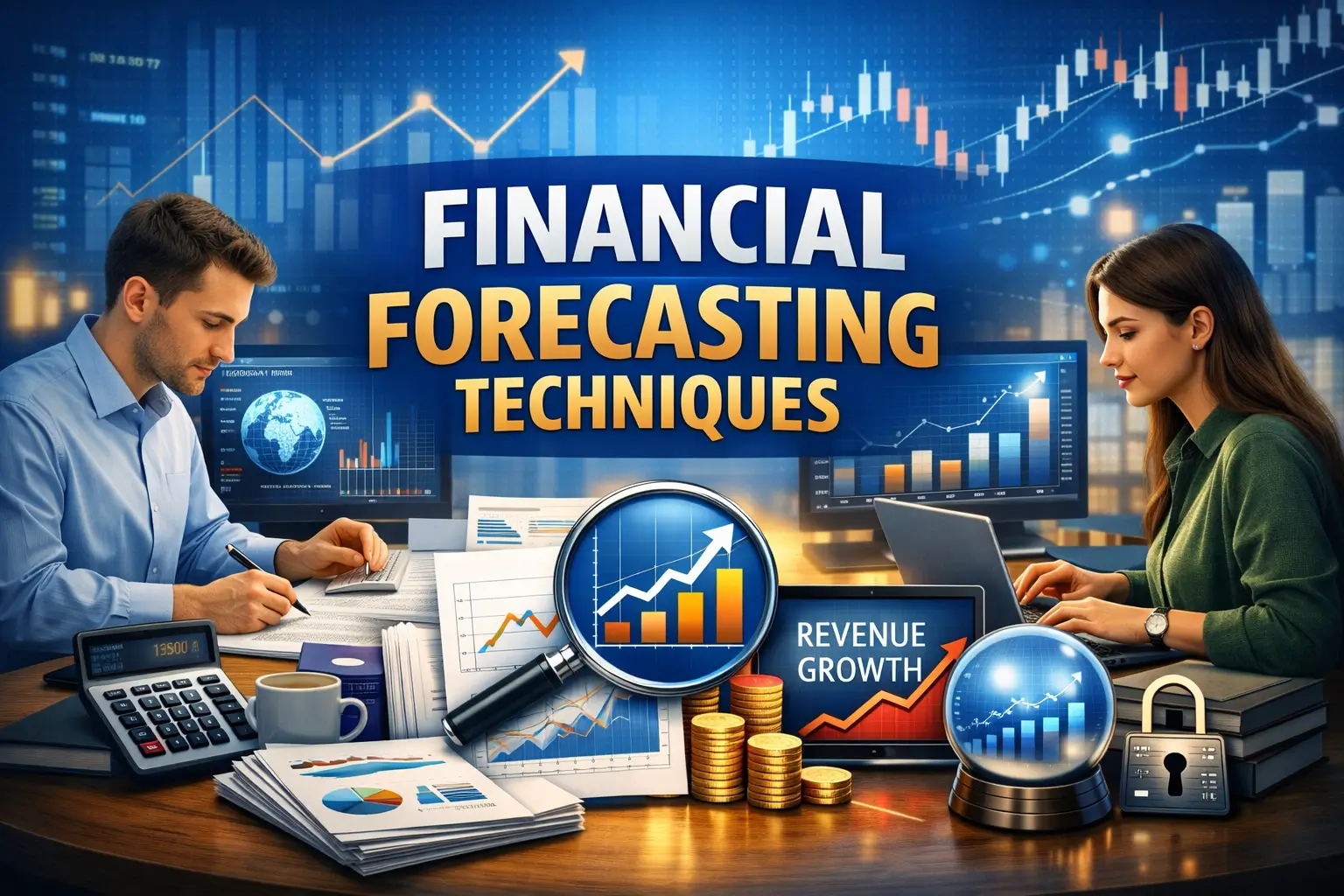
The Financial Forecasting Techniques Course is a comprehensive training program designed to equip learners with the knowledge and practical skills required to prepare, analyze, and interpret financial forecasts that support effective business planning and decision-making. In today’s dynamic business environment, organizations face constant changes in customer demand, market conditions, operational costs, and economic factors. Therefore, financial forecasting plays a crucial role in helping businesses anticipate future performance, allocate resources efficiently, and manage financial risks.
Financial forecasting involves estimating future revenues, expenses, cash flows, and financial performance based on historical information, current business conditions, and expected market trends. Organizations use financial forecasts to prepare budgets, evaluate investment opportunities, plan business expansion, and support strategic decision-making.
Whether you are a student, finance professional, accountant, entrepreneur, business manager, or aspiring financial analyst, this course provides practical knowledge to strengthen your forecasting and financial planning capabilities.
Why Financial Forecasting is Important
Effective financial forecasting enables organizations to prepare for future opportunities and challenges through informed planning and financial analysis.
Key benefits of financial forecasting include:
- Supports strategic business planning
- Improves budgeting accuracy
- Enhances cash flow management
- Helps estimate future revenue and expenses
- Supports investment and financing decisions
- Improves financial risk management
- Enables better resource allocation
- Strengthens business performance monitoring
- Improves decision-making using financial data
- Contributes to sustainable business growth
For example, a business that prepares accurate revenue and cash flow forecasts can make better staffing, inventory, and investment decisions while minimizing financial uncertainty.
Course Overview
This course provides a structured understanding of financial forecasting methods and business planning.
Learners will explore:
- Fundamentals of financial forecasting
- Forecasting principles and objectives
- Budget preparation and financial planning
- Revenue forecasting techniques
- Expense forecasting methods
- Cash flow forecasting
- Financial statement forecasting
- Trend analysis and forecasting models
- Scenario planning and sensitivity analysis
- Forecast accuracy and performance evaluation
- Financial decision-making using forecasts
- Business growth planning
- Risk assessment and forecasting limitations
- Financial reporting support
- Best practices in financial forecasting
What You Will Learn
By the end of this course, learners will be able to:
- Understand financial forecasting principles and methods
- Prepare revenue, expense, and cash flow forecasts
- Support budgeting and financial planning activities
- Analyze financial data to estimate future performance
- Apply trend analysis and forecasting techniques
- Evaluate business scenarios and financial assumptions
- Improve business decision-making through forecasting
- Assess forecasting accuracy and financial risks
- Support strategic planning and performance management
- Contribute to organizational financial success through effective forecasting
Key Components of Financial Forecasting Techniques
1. Revenue Forecasting
Learn how businesses estimate future sales and revenue using historical performance, market trends, and business assumptions.
2. Expense Forecasting
Understand methods for estimating future operating expenses, production costs, and administrative expenditures.
3. Cash Flow Forecasting
Explore techniques for predicting cash inflows and outflows to maintain liquidity and support financial stability.
4. Budgeting and Planning
Learn how financial forecasts support budget preparation, operational planning, and strategic decision-making.
5. Scenario Analysis
Understand how organizations evaluate different business scenarios and assess the financial impact of changing assumptions.
Skills You Will Gain
After completing this course, learners will develop valuable professional skills, including:
- Financial forecasting
- Budget preparation
- Revenue forecasting
- Expense estimation
- Cash flow forecasting
- Financial planning
- Trend analysis
- Scenario planning
- Financial analysis
- Business decision-making
- Analytical thinking
- Problem-solving
- Business communication
- Financial reporting awareness
- Strategic planning
Benefits of This Course
Completing this course offers several professional advantages, including:
- Strong understanding of financial forecasting and planning
- Better career opportunities in finance and business management
- Improved budgeting and analytical skills
- Practical knowledge of forecasting methods and financial models
- Better understanding of business planning and financial performance
- Enhanced decision-making capabilities
- Increased employability across industries
- Competitive advantage in finance and business careers
- Strong foundation for advanced finance and financial modeling certifications
Who Should Enroll?
This course is suitable for:
- Students interested in finance and accounting careers
- Finance professionals
- Accountants and auditors
- Business managers
- Entrepreneurs and startup founders
- Financial analysts
- Budget analysts
- Project managers
- Business owners
- Anyone interested in financial planning and forecasting
No previous experience is required, making this course suitable for beginners and experienced professionals alike.
Career Opportunities
After completing this course, learners may pursue roles such as:
- Financial Analyst
- Budget Analyst
- Financial Planning Associate
- Finance Executive
- Business Analyst
- Financial Reporting Executive
- Corporate Finance Associate
- Project Finance Executive
- Management Trainee (Finance)
- Business Planning Executive
- Financial Operations Executive
Certification
Upon successful completion of the Financial Forecasting Techniques Course, learners receive a professional certificate recognizing their knowledge of financial forecasting, budgeting, revenue and cash flow forecasting, financial planning, scenario analysis, business performance evaluation, and financial decision-making. This certification enhances career opportunities across corporate finance departments, consulting firms, banks, financial institutions, manufacturing companies, retail organizations, technology firms, startups, and multinational corporations.
Conclusion
The Financial Forecasting Techniques Course provides learners with practical knowledge and analytical skills to prepare reliable financial forecasts, support strategic business planning, and improve financial decision-making. By mastering forecasting methods, budgeting, revenue projections, expense estimation, cash flow analysis, scenario planning, and financial performance evaluation, learners will be well prepared for rewarding careers in finance, accounting, business planning, and corporate management.
Whether your goal is to become a Financial Analyst, improve your budgeting and forecasting expertise, strengthen your financial planning skills, or build a successful career in finance, this course provides a strong foundation for long-term professional success.
FAQ
1. What is the Financial Forecasting Techniques Course?
It is a course that teaches how to estimate future financial performance using forecasting methods, budgeting, financial analysis, and business planning techniques.
2. Who should enroll in this course?
Students, finance professionals, accountants, business managers, entrepreneurs, financial analysts, budget analysts, and anyone interested in financial planning and forecasting.
3. Do I need prior finance experience?
No. The course is beginner-friendly and suitable for both new learners and experienced professionals.
4. What topics are covered in this course?
The course covers financial forecasting, budgeting, revenue forecasting, expense estimation, cash flow forecasting, financial statement forecasting, trend analysis, scenario planning, business planning, and financial performance evaluation.
5. Will I learn budgeting and cash flow forecasting?
Yes. The course explains how businesses prepare budgets, forecast revenues and expenses, estimate cash flows, and use financial forecasts to support operational planning.
6. Does this course include scenario planning and financial analysis?
Yes. You will learn how organizations evaluate different business scenarios, analyze financial data, assess forecasting assumptions, and improve financial decision-making.
7. Will I receive a certificate after completing the course?
Yes. A professional course completion certificate is awarded upon successful completion.
8. Is Financial Forecasting an in-demand skill?
Yes. Financial forecasting skills are highly valued across corporate finance departments, consulting firms, banks, financial institutions, manufacturing companies, technology firms, startups, and multinational organizations.
9. How does financial forecasting benefit businesses?
It helps businesses prepare accurate budgets, predict future financial performance, manage cash flow, allocate resources efficiently, reduce financial uncertainty, and support strategic planning.
10. What career opportunities are available after this course?
You can pursue roles such as Financial Analyst, Budget Analyst, Financial Planning Associate, Finance Executive, Business Analyst, Financial Reporting Executive, Corporate Finance Associate, Business Planning Executive, Project Finance Executive, or Financial Operations Executive.




Reviews
There are no reviews yet.