
Introduction
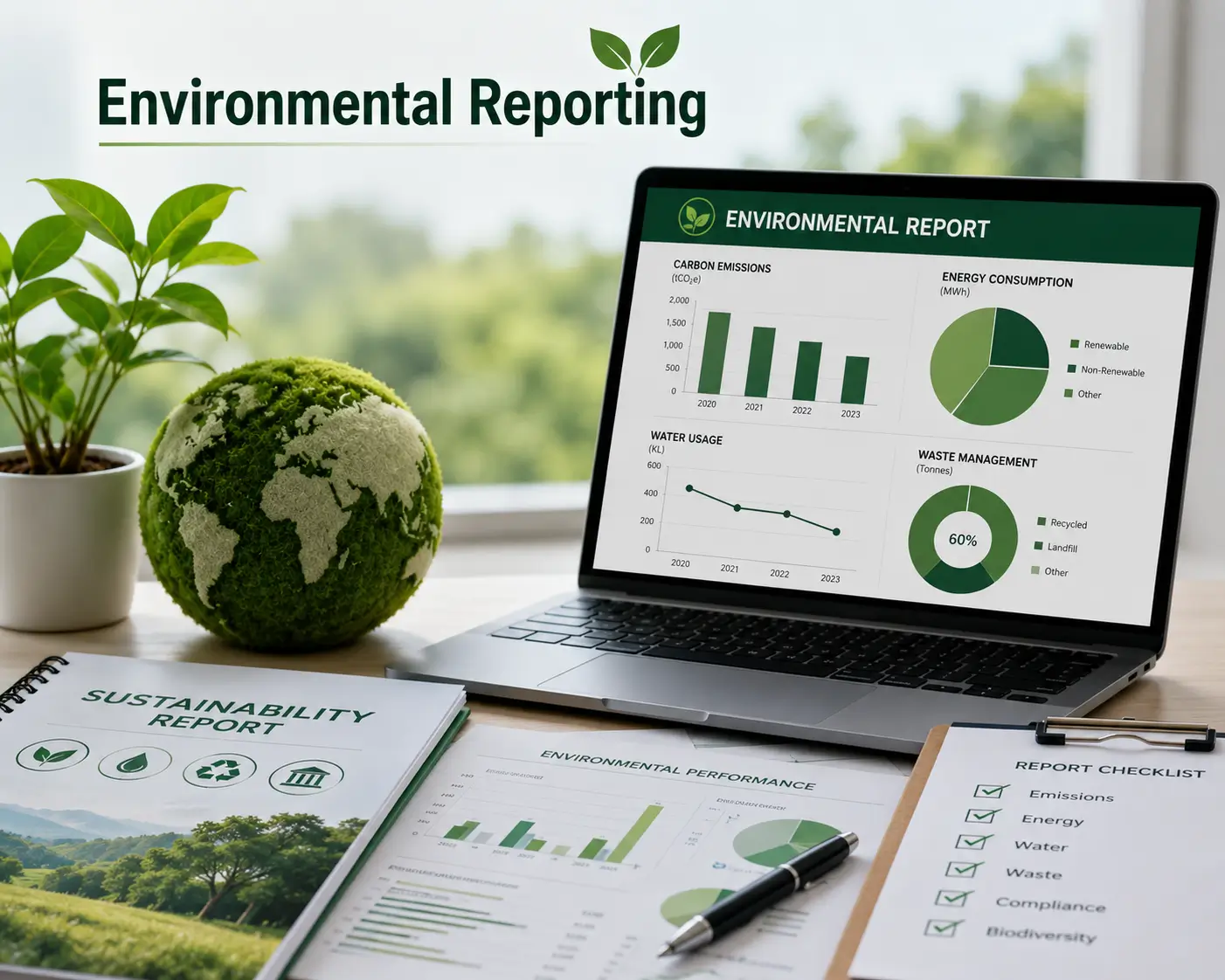
The Environmental Reporting Course is a comprehensive training program designed to help learners develop the knowledge and practical skills required to prepare accurate, reliable, and meaningful environmental reports. As governments, businesses, and communities place greater emphasis on sustainability and environmental responsibility, organizations are expected to monitor their environmental performance, comply with regulations, and communicate their environmental impact transparently. Therefore, environmental reporting has become an essential part of modern environmental management and corporate sustainability.
Environmental reporting involves collecting environmental data, analyzing performance, documenting compliance activities, and communicating environmental information to regulators, stakeholders, investors, customers, and the public. Well-prepared environmental reports support informed decision-making, strengthen regulatory compliance, improve organizational accountability, and encourage continuous environmental improvement.
This course provides learners with a practical understanding of environmental reporting by combining environmental management principles, sustainability reporting, environmental compliance, data management, report preparation, communication strategies, and performance evaluation. Whether you are an environmental officer, sustainability professional, compliance specialist, project manager, engineer, environmental consultant, student, or someone interested in environmental management, this course provides valuable knowledge that supports professional development and organizational sustainability.
Course Overview
Environmental reporting focuses on measuring, documenting, and communicating environmental performance in a structured and transparent manner. Instead of reporting environmental information only when required, organizations increasingly use environmental reporting to monitor progress, improve sustainability, reduce environmental risks, and strengthen stakeholder confidence.
First, learners explore the importance of environmental reporting in supporting sustainable development and regulatory compliance. Next, they understand how environmental reports improve transparency, accountability, environmental decision-making, and organizational performance.
Additionally, the course explains environmental data collection, performance measurement, greenhouse gas reporting, waste reporting, water management reporting, energy reporting, environmental audits, compliance documentation, and sustainability reporting practices. Learners also gain practical knowledge of reporting standards, environmental indicators, risk assessment, report writing, and digital reporting systems.
Furthermore, the curriculum combines environmental theory with practical reporting techniques, helping learners prepare professional environmental reports for different industries and organizations.
What You Will Learn
The Environmental Reporting Course covers a broad range of topics related to environmental reporting and sustainability communication.
First, learners study the fundamentals of environmental reporting and understand why organizations measure and report environmental performance. They also explore how environmental reporting supports sustainability goals, legal compliance, risk management, and corporate responsibility.
Next, participants learn about environmental data collection methods. They understand how organizations gather information related to air emissions, water usage, energy consumption, waste generation, natural resource management, and environmental performance.
Additionally, the course introduces environmental performance indicators and Key Performance Indicators (KPIs). Learners discover how environmental metrics are selected, monitored, analyzed, and used to improve organizational performance.
Furthermore, participants study greenhouse gas (GHG) reporting concepts. They explore carbon emissions, emission inventories, climate-related reporting, emission reduction initiatives, and organizational climate performance measurement.
The course also explains waste management reporting. Learners understand how organizations document waste generation, waste segregation, recycling activities, hazardous waste handling, disposal methods, and waste reduction initiatives.
Moreover, participants gain knowledge of water management reporting, including water consumption, wastewater management, water conservation practices, and water efficiency monitoring.
In addition, the curriculum covers energy reporting, renewable energy initiatives, energy efficiency monitoring, resource conservation strategies, and environmental performance improvement planning.
Learners also study environmental compliance reporting. They understand regulatory documentation, permit compliance, environmental inspections, reporting obligations, environmental legislation, and compliance monitoring practices.
Additionally, the course explains environmental audits, environmental management systems (EMS), internal reviews, corrective actions, preventive actions, and continuous improvement strategies that strengthen environmental performance.
The curriculum also introduces sustainability reporting concepts, Environmental, Social, and Governance (ESG) reporting principles, corporate sustainability reporting, stakeholder communication, and organizational transparency.
Furthermore, participants explore report writing techniques, data visualization, charts, graphs, executive summaries, environmental dashboards, digital reporting tools, and communication strategies that improve report quality and accessibility.
Finally, learners study ethics, data accuracy, documentation standards, record management, environmental leadership, risk communication, and continuous improvement practices that support effective environmental reporting.
Skills You Will Gain
Upon successful completion of the course, learners will develop valuable professional skills, including:
- Environmental reporting
- Sustainability reporting
- Environmental data collection
- Environmental compliance
- ESG reporting fundamentals
- Greenhouse gas (GHG) reporting
- Waste management reporting
- Water and energy reporting
- Environmental performance analysis
- Environmental audits
- Report writing
- Environmental communication
- Data management
- Risk assessment
- Continuous improvement
These skills are highly valued across environmental consulting firms, manufacturing companies, energy organizations, construction companies, government agencies, nonprofit organizations, sustainability departments, and corporate environmental management teams.
Benefits of the Course
The Environmental Reporting Course provides learners with practical knowledge and reporting skills that support environmental management and sustainability initiatives.
First, the course helps learners understand how environmental reporting improves transparency, accountability, regulatory compliance, and organizational performance.
Additionally, participants strengthen their ability to collect environmental data, prepare professional reports, monitor environmental performance, and communicate sustainability initiatives effectively.
Furthermore, learners develop practical skills in compliance documentation, sustainability reporting, environmental audits, data analysis, and performance evaluation.
The course also enhances communication, analytical thinking, organization, problem-solving, collaboration, and decision-making skills that support environmental management careers.
As organizations continue investing in sustainability, ESG initiatives, and environmental compliance, professionals with environmental reporting expertise remain in strong demand.
Finally, learners gain the confidence to contribute to responsible environmental management while supporting long-term sustainability goals.
Who Should Enroll?
This course is ideal for:
- Environmental officers
- Sustainability professionals
- ESG coordinators
- Environmental consultants
- Compliance officers
- Project managers
- Engineers
- Health, Safety, and Environment (HSE) professionals
- Corporate sustainability managers
- Environmental auditors
- Quality professionals
- Government employees
- Environmental science students
- Facility managers
- Anyone interested in environmental reporting
No prior environmental reporting experience is required. Therefore, beginners and experienced professionals can both benefit from this course.
Career Opportunities
After completing the course, learners may pursue opportunities such as:
- Environmental Reporting Specialist
- Sustainability Reporting Officer
- Environmental Compliance Officer
- ESG Reporting Coordinator
- Environmental Consultant
- Sustainability Analyst
- Environmental Data Analyst
- HSE Officer
- Environmental Auditor
- Corporate Sustainability Executive
- Environmental Program Coordinator
- Compliance Analyst
- Environmental Management Specialist
- Sustainability Coordinator
- Environmental Advisor
Additionally, learners can apply these skills across manufacturing, energy, construction, mining, transportation, consulting, government agencies, nonprofit organizations, utilities, and corporate sustainability departments.
Certification
Upon successful completion of the Environmental Reporting Course, participants receive a certification recognizing their understanding of environmental reporting, sustainability reporting, environmental compliance, environmental data management, GHG reporting, environmental audits, performance monitoring, and environmental communication. This certification strengthens professional credibility and supports career advancement in environmental management, sustainability, ESG reporting, and regulatory compliance.
Why Choose This Course?
The Environmental Reporting Course combines environmental management principles with practical reporting techniques to provide a comprehensive learning experience.
First, learners develop a strong understanding of environmental reporting, sustainability communication, environmental compliance, and environmental performance measurement.
Additionally, the curriculum focuses on data collection, GHG reporting, waste and energy reporting, environmental audits, ESG reporting concepts, report writing, stakeholder communication, and continuous improvement.
Furthermore, participants gain industry-relevant knowledge that supports career development in environmental management, sustainability, compliance, environmental consulting, ESG reporting, and corporate responsibility.
Whether your goal is to become an environmental reporting specialist, sustainability officer, compliance professional, environmental consultant, ESG coordinator, or corporate sustainability manager, this course provides the knowledge, practical skills, and confidence needed to succeed.
Enroll today and build a strong foundation in environmental reporting, sustainability reporting, environmental compliance, and responsible environmental management.
FAQ Section
1. What is the Environmental Reporting Course?
The course teaches how to collect, analyze, document, and communicate environmental data for sustainability, compliance, and organizational reporting.
2. Is this course suitable for beginners?
Yes. The course is designed for beginners as well as professionals who want to improve their environmental reporting knowledge.
3. What topics are covered?
Topics include environmental data collection, sustainability reporting, ESG fundamentals, GHG reporting, waste and energy reporting, compliance documentation, environmental audits, report writing, and environmental management systems.
4. Will I receive a certificate?
Yes. Participants receive a certificate upon successfully completing the course.
5. Do I need prior environmental reporting experience?
No. The course introduces environmental reporting concepts in a simple and beginner-friendly format.
6. Who should enroll in this course?
Environmental professionals, sustainability officers, engineers, compliance specialists, HSE professionals, consultants, students, project managers, and corporate sustainability teams can benefit from this course.
7. Is the course fully online?
Yes. The course offers flexible online learning, allowing participants to study at their own pace.
8. What skills will I gain?
You will gain skills in environmental reporting, sustainability reporting, ESG reporting fundamentals, environmental compliance, report writing, data analysis, environmental audits, and performance monitoring.
9. Can this course help my career?
Yes. Environmental reporting skills are highly valued across consulting firms, manufacturing companies, government agencies, construction organizations, utilities, energy companies, and sustainability departments.
10. Why is environmental reporting important?
Environmental reporting helps organizations monitor environmental performance, demonstrate regulatory compliance, improve sustainability, support informed decision-making, build stakeholder trust, and promote responsible environmental management.


Reviews
There are no reviews yet.