
Editorial Design Course
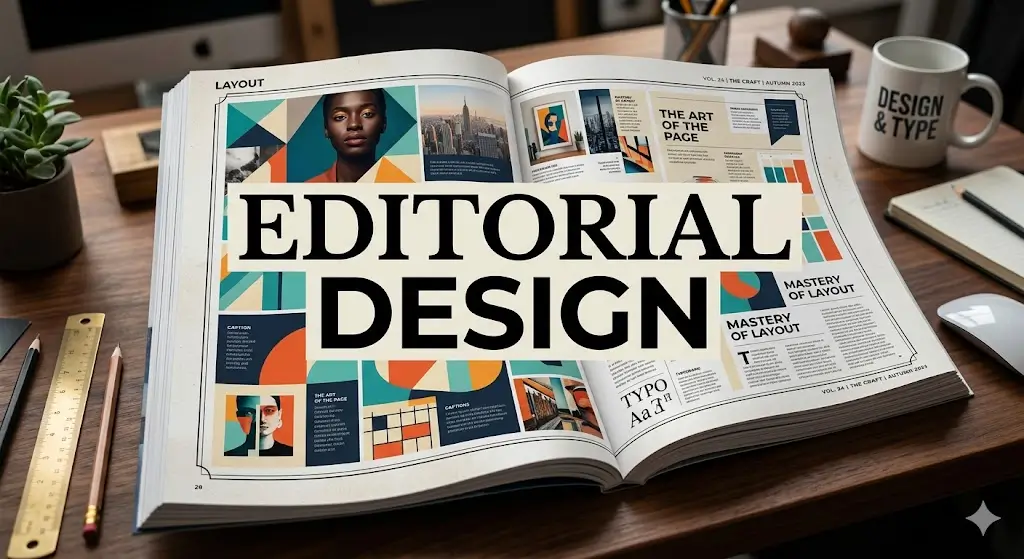
The Editorial Design Course helps learners create visually appealing magazines, newspapers, books, and digital publications. Moreover, the course combines graphic design principles with publication layout techniques. As a result, students learn how to organize content and create engaging reading experiences.
Editorial Design Course Overview
Editorial design plays an important role in print and digital publishing. Therefore, designers need strong layout, typography, and visual communication skills. This Editorial Design Course provides a complete introduction to publication design and content presentation.
In addition, learners explore how professional designers create visually balanced layouts. Furthermore, they discover how design choices improve readability and audience engagement.
Editorial Design Fundamentals
The Editorial Design Course introduces the core principles of publication design. Therefore, students learn about layout structures, visual hierarchy, grids, and composition techniques. Moreover, they understand how these elements work together to create professional publications.
These skills help learners design attractive and effective editorial content.
Typography in Editorial Design
Typography is one of the most important elements of editorial design. Consequently, students explore font selection, text formatting, spacing, and readability principles. In addition, they learn how typography influences the reader’s experience.
Furthermore, learners practice creating layouts that combine strong typography with visual appeal.
Magazine and Publication Layout Design
Layout design helps organize information effectively. Therefore, the course teaches magazine design, newspaper layouts, and publication structures. Moreover, students learn how to balance images, text, and white space.
As a result, learners gain practical skills in creating professional publication layouts.
Visual Storytelling Techniques
Successful editorial design communicates ideas clearly. Consequently, students study visual storytelling methods that improve audience engagement. In addition, they explore image placement, content flow, and narrative design techniques.
These skills help learners create publications that capture attention and deliver information effectively.
Print and Digital Publishing Design
Modern publications appear in both print and digital formats. Therefore, the Editorial Design Course covers design considerations for magazines, e-books, newspapers, and online publications. Furthermore, learners understand the differences between print and digital publishing requirements.
As a result, students develop versatile design skills for multiple platforms.
Editorial Design Software Tools
Professional designers use specialized software to create publications. Consequently, learners gain an introduction to industry-standard editorial design tools and workflows. In addition, they explore techniques that improve productivity and design quality.
These skills prepare students for professional publishing environments.
Editorial Design Portfolio Development
The course includes practical assignments and creative projects. Moreover, learners apply editorial design concepts through real-world publication tasks. In addition, they develop a portfolio that showcases their layout and publication design abilities.
Consequently, students gain valuable experience and confidence in editorial design.
Learning Outcomes
By the end of the Editorial Design Course, learners will be able to:
- Create professional publication layouts.
- Apply typography and visual hierarchy principles.
- Design magazines, newspapers, and digital publications.
- Use visual storytelling techniques effectively.
- Organize content for improved readability.
- Develop print and digital publishing projects.
- Build a portfolio of editorial design work.
Who Should Enroll?
This course is ideal for graphic designers, aspiring publication designers, students, content creators, marketers, and creative professionals. Moreover, it benefits anyone interested in publishing, typography, and visual communication.
Conclusion
The Editorial Design Course provides practical training in publication design, layout creation, and visual storytelling. Furthermore, it combines creative skills with professional publishing techniques. As a result, learners develop the expertise needed to create engaging magazines, newspapers, books, and digital publications.
9. FAQ SECTION
What is an Editorial Design Course?
An Editorial Design Course teaches publication layout, typography, magazine design, and visual storytelling skills.
Who can enroll in this course?
Students, graphic designers, content creators, marketers, and beginners can enroll.
Do I need prior design experience?
No, beginners can learn editorial design fundamentals through this course.
What skills will I learn?
You will learn publication design, typography, layout creation, and visual communication techniques.
Is practical training included?
Yes, the course includes projects, assignments, and portfolio-building activities.
Will I receive a certificate?
Yes, learners receive a course completion certificate.
Does the course cover magazine design?
Yes, magazine and publication layout design are key parts of the curriculum.
Can I create digital publications?
Yes, the course covers both print and digital publishing design.
What career opportunities are available?
Career options include Editorial Designer, Publication Designer, Graphic Designer, Layout Artist, and Art Director.
Why should I study Editorial Design?
The course helps develop creative and technical skills needed in publishing, media, and communication industries.


Reviews
There are no reviews yet.