
Introduction
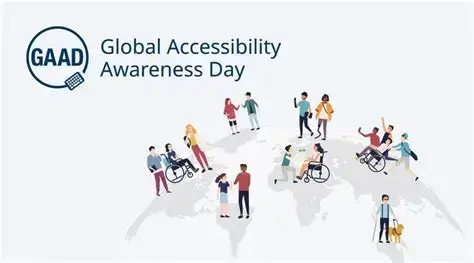
In the modern digital era, global accessibility has become a cornerstone of inclusive growth and education. It ensures that everyone — regardless of physical ability, location, language, or socioeconomic background — can access information, technology, and learning opportunities equally.
At Eduvish.com, we believe that accessibility is not just about convenience; it’s about empowerment, equality, and opportunity. By making education globally accessible, we open doors for millions of learners to connect, collaborate, and succeed.
What Is Global Accessibility?
Global accessibility refers to the universal design of digital platforms, tools, and resources that can be used by everyone, including people with disabilities or limited access to technology.
It focuses on removing barriers — physical, digital, and linguistic — so that education and information are available to all.
Key Principles of Accessibility
- Inclusivity – Designing for all users, not just the majority.
- Usability – Ensuring ease of navigation and interaction.
- Affordability – Making technology accessible to low-income communities.
- Adaptability – Supporting multiple devices and learning styles.
- Sustainability – Creating long-term solutions for global education.
Importance of Global Accessibility
Accessibility is more than a technical feature — it’s a social responsibility.
Benefits of Global Accessibility
- Equal opportunity – Everyone can access education and technology.
- Digital inclusion – Bridges the gap between privileged and underserved communities.
- Empowerment – Gives individuals the tools to learn and grow.
- Innovation – Encourages creative solutions for diverse needs.
- Global collaboration – Connects learners and educators worldwide.
Accessibility in Digital Education
Digital education has transformed learning, but accessibility ensures that this transformation benefits everyone.
Platforms like Eduvish.com are designed to be inclusive, offering features that cater to different learning styles and abilities.
Features of Accessible Digital Education
| Feature | Description |
|---|---|
| Multilingual support | Content available in multiple languages for global learners. |
| Assistive technologies | Tools like screen readers and voice commands for differently-abled users. |
| Flexible learning formats | Videos, text, audio, and interactive modules for diverse learners. |
| Device compatibility | Works seamlessly on mobile, tablet, and desktop. |
| Inclusive design | Simple layouts and easy navigation for all users. |
The Role of Technology in Global Accessibility
Technology is the driving force behind accessibility. From AI-driven translation tools to cloud-based learning platforms, innovations are breaking barriers and connecting learners worldwide.
Examples of Accessibility Technologies
- AI Translation – Converts content into multiple languages instantly.
- Cloud Learning – Stores and shares educational resources globally.
- Voice Recognition – Helps users interact hands-free.
- Virtual Classrooms – Connects students and teachers across borders.
- Accessibility Apps – Provides tools for special needs learners.
Global Accessibility in Education
Education is the foundation of progress, and accessibility ensures that no one is left behind.
Examples of Accessible Education Practices
- Online courses with subtitles and transcripts.
- Interactive lessons with visual and audio aids.
- Adaptive learning systems that adjust to student needs.
- Accessible assessments for differently-abled learners.
Challenges in Achieving Global Accessibility
Despite progress, several challenges remain:
- Digital divide – Unequal access to devices and internet.
- Language barriers – Limited multilingual content.
- Infrastructure limitations – Lack of resources in remote areas.
- Awareness gap – Insufficient understanding of accessibility needs.
Solutions for a More Accessible World
- Universal design – Create platforms usable by everyone.
- Government policies – Enforce accessibility standards globally.
- Public-private partnerships – Collaborate to fund accessibility projects.
- Community engagement – Involve local communities in design and testing.
- Continuous innovation – Use AI, VR, and IoT to enhance accessibility.
Eduvish.com’s Commitment to Accessibility
Eduvish.com is dedicated to making education accessible to everyone. Our platform integrates inclusive design, multilingual content, and assistive technologies to ensure that learners from all backgrounds can benefit equally.
We believe that accessibility is not just a feature — it’s a responsibility.
Future of Global Accessibility
The future of accessibility lies in collaboration and innovation. As technology advances, we will see:
- AI-driven personalization for learners with special needs.
- Global learning networks connecting students across continents.
- Smart devices designed for universal usability.
- Increased awareness and adoption of accessibility standards.

