
Introduction
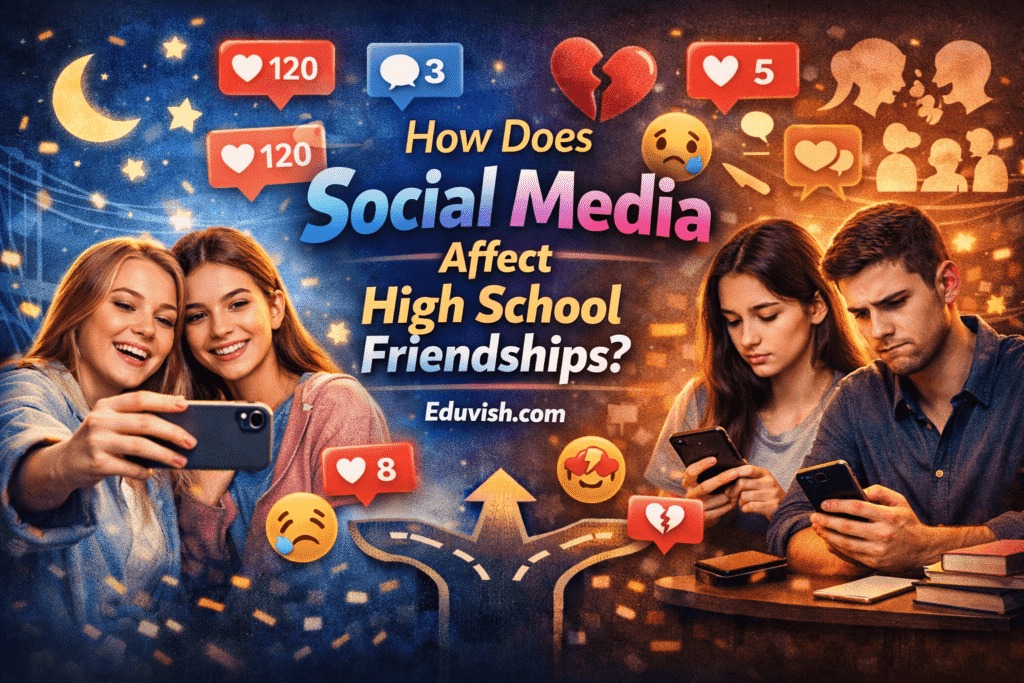
In today’s digital age, social media has become an inseparable part of teenage life. Platforms like Instagram, Snapchat, and TikTok are where high school students connect, share, and express themselves. But while these platforms help build friendships, they also bring challenges that can affect emotional health and social bonds.
This article explores how social media affects high school friendships, highlighting both the positive and negative sides, and offering practical tips for maintaining healthy relationships online.
The Positive Side of Social Media
Social media isn’t all bad — it can strengthen friendships and create new opportunities for connection.
- Staying Connected: Teens can easily stay in touch with friends, even outside school hours.
- Building Communities: Online groups help students find peers with shared interests.
- Sharing Memories: Posting photos and stories builds a sense of belonging.
- Support Networks: Teens often find emotional support through online communities.
- Creativity & Expression: Platforms allow students to express themselves through art, videos, and writing.
The Negative Side of Social Media
Despite its benefits, social media can also strain friendships and emotional well-being.
- Comparison & FOMO: Seeing others’ highlight reels can lead to jealousy and insecurity.
- Cyberbullying: Negative comments and gossip can damage trust and confidence.
- Miscommunication: Texts and posts can be misinterpreted, causing unnecessary drama.
- Exclusion: Being left out of group chats or posts can hurt feelings.
- Addiction: Excessive screen time reduces real-life interactions.
How Social Media Changes High School Friendships
1. Constant Connectivity
Teens are always online, which can make friendships feel closer — but also create pressure to respond instantly or be available all the time.
2. Public vs. Private Life
Private matters often become public online, leading to embarrassment or broken trust among friends.
3. Friendship Validation
Likes, comments, and followers can become measures of friendship, affecting self-esteem and confidence.
4. Ghosting & Exclusion
Ignoring messages or excluding friends from posts can create emotional distance and misunderstandings.
5. Peer Pressure
Teens may feel pressured to post or behave in certain ways to fit in with their online circle.
The Emotional Impact on Teens
Social media influences how teens perceive themselves and others.
- Positive reinforcement boosts confidence.
- Negative comments can lead to anxiety or depression.
- Online drama often spills into real life, affecting school relationships.
Balancing online and offline interactions is key to maintaining emotional stability.
Tips for Healthy Social Media Use
- Limit Screen Time: Set daily usage boundaries.
- Be Authentic: Post real moments, not just perfect ones.
- Talk Face-to-Face: Strengthen friendships through real conversations.
- Address Issues Privately: Avoid public arguments online.
- Think Before Posting: Consider how your content might affect others.
Role of Parents and Teachers
Adults play a vital role in guiding teens toward responsible social media use.
- Monitor Usage: Keep track of screen time and online behavior.
- Educate About Cyberbullying: Discuss respect and empathy online.
- Encourage Offline Activities: Sports, hobbies, and volunteering help balance digital life.
- Provide Emotional Support: Be available when teens face online conflicts.
Finding Balance Between Online and Real-Life Friendships
Healthy friendships thrive on trust, communication, and empathy. Social media should enhance — not replace — real connections. Encourage teens to use digital platforms mindfully, focusing on genuine relationships rather than popularity metrics.