
Introducation
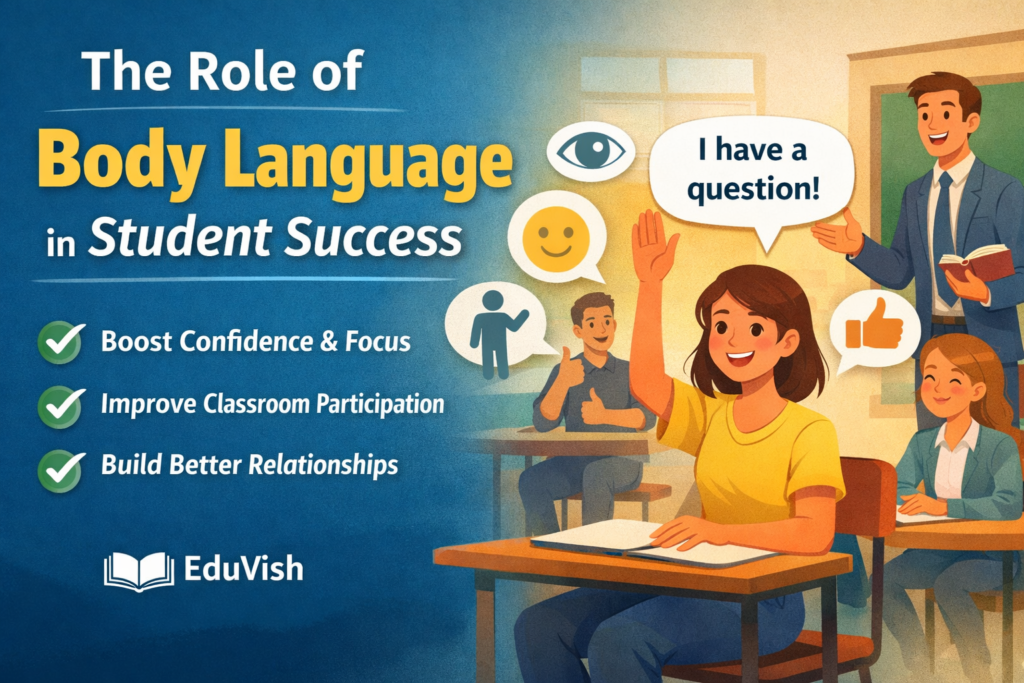
Body language is one of the most powerful forms of communication. It speaks louder than words and plays a vital role in how students learn, interact, and succeed. From maintaining eye contact to using confident gestures, body language can influence classroom participation, relationships, and overall academic performance.
In this article, we’ll explore how body language impacts student success and how you can use it effectively to build confidence and improve communication.
1. Understanding Body Language
Body language includes facial expressions, posture, gestures, and eye movements that convey emotions and attitudes. It’s a silent yet powerful way of expressing yourself.
Why It Matters:
- Enhances communication and understanding.
- Builds confidence and trust.
- Helps express ideas clearly.
- Strengthens relationships with teachers and peers.
SEO Keywords: body language for students, non-verbal communication in education, student success tips
2. Eye Contact: The Window to Confidence
Eye contact shows attentiveness and confidence. It helps students connect with teachers and classmates.
Tips:
- Maintain eye contact when speaking or listening.
- Avoid staring—keep it natural.
- Use eye contact to show interest during presentations.
Result: Builds trust and improves classroom engagement.
3. Posture: The Foundation of Confidence
Your posture reflects your attitude and confidence.
Tips:
- Sit upright during lectures.
- Avoid slouching—it signals disinterest.
- Stand tall during presentations.
SEO Keywords: student posture tips, confident body language, classroom communication skills
4. Facial Expressions: Show What You Feel
Facial expressions communicate emotions instantly.
Tips:
- Smile to show positivity and openness.
- Avoid frowning or looking distracted.
- Use expressions that match your words.
Result: Creates a friendly and approachable image.
5. Gestures: Express Ideas Clearly
Gestures help emphasize points and make communication more engaging.
Tips:
- Use hand movements naturally while speaking.
- Avoid excessive or distracting gestures.
- Practice gestures that support your message.
SEO Keywords: effective gestures for students, non-verbal communication techniques
6. Body Orientation: Show Engagement
How you position your body affects how others perceive your interest.
Tips:
- Face the speaker during discussions.
- Lean slightly forward to show attentiveness.
- Avoid crossing arms—it can seem defensive.
Result: Encourages open communication and teamwork.
7. Tone and Voice: The Hidden Part of Body Language
Though verbal, tone and voice are closely linked to body language.
Tips:
- Speak clearly and confidently.
- Use a calm tone during discussions.
- Avoid monotone delivery—add energy when needed.
SEO Keywords: voice modulation for students, communication confidence tips
8. Body Language in Group Projects
Teamwork requires effective non-verbal communication.
Tips:
- Use positive gestures to encourage peers.
- Maintain open posture during group meetings.
- Smile and nod to show agreement.
Result: Builds collaboration and mutual respect.
9. Body Language in Presentations
Presentations are a great opportunity to showcase confidence.
Tips:
- Stand tall and make eye contact with the audience.
- Use gestures to highlight key points.
- Smile and maintain a calm demeanor.
SEO Keywords: presentation body language tips, student public speaking skills
10. Body Language in Classroom Participation
Active participation involves both verbal and non-verbal cues.
Tips:
- Raise your hand confidently.
- Nod to show understanding.
- Maintain attentive posture during discussions.
Result: Teachers notice and appreciate engaged students.
11. Positive Body Language Builds Relationships
Good body language helps students connect better with teachers and peers.
Tips:
- Smile and greet people warmly.
- Maintain open posture during conversations.
- Show empathy through attentive listening.
SEO Keywords: positive body language for students, relationship building in education
12. Body Language and Confidence
Confidence is reflected through your body language.
Tips:
- Practice power poses before presentations.
- Avoid nervous habits like fidgeting.
- Walk with purpose and maintain good posture.
Result: You’ll appear more self-assured and capable.
13. Body Language in Online Learning
Even in virtual classes, body language matters.
Tips:
- Sit upright and face the camera.
- Smile and nod during discussions.
- Avoid distractions while on video calls.
SEO Keywords: body language in online classes, virtual communication tips for stude14. Cultural Awareness in Body Language
Different cultures interpret body language differently.
14.Culture awarness in body language
- Be mindful of gestures that may have different meanings.
- Respect personal space.
- Observe and adapt to cultural norms.
Result: Promotes inclusivity and understanding.
15. Improving Your Body Language
Body language can be learned and improved with practice.
Tips:
- Record yourself during presentations.
- Observe confident speakers.
- Practice in front of a mirror.
SEO Keywords: improve body language for students, communication skill development
16. The Impact of Body Language on Success
Positive body language leads to:
- Better classroom participation.
- Stronger relationships.
- Increased confidence.
- Improved academic performance.
Result: Students who master body language often excel in both academics and personal growth.
Conclusion
Body language is a silent yet powerful tool for student success. It enhances communication, builds confidence, and fosters positive relationships. By practicing good posture, eye contact, gestures, and expressions, students can create a lasting impression and achieve their goals.
Remember: Your body speaks before your words do—make sure it says the right things.